


On This Day In Cricket - February 10

10 February is remembered for several important moments in cricket history. On this day, India laid the base for a historic win against Australia in Melbourne. New Zealand also began their journey to its first Test win against England. The day is also known for a strong protest, when Zimbabwe players Henry Olonga and Andy Flower spoke out against President Robert Mugabe. Here are some key cricket events from February 10.
On This Day - February 10, 2003 - Henry Olonga and Andy Flower Protest Against Dictatorial President Robert Mugabe
On this day in 2003, a rare and powerful moment was seen in a World Cup match. For the first time in cricket history, Zimbabwe players Henry Olonga and Andy Flower wore black armbands during a match against Namibia in Harare. They did this to protest against the dictatorship of Zimbabwe’s president Robert Mugabe and his policies. The protest was meant to draw the world’s attention to Zimbabwe and to mourn what they called the “death of democracy” in their country.
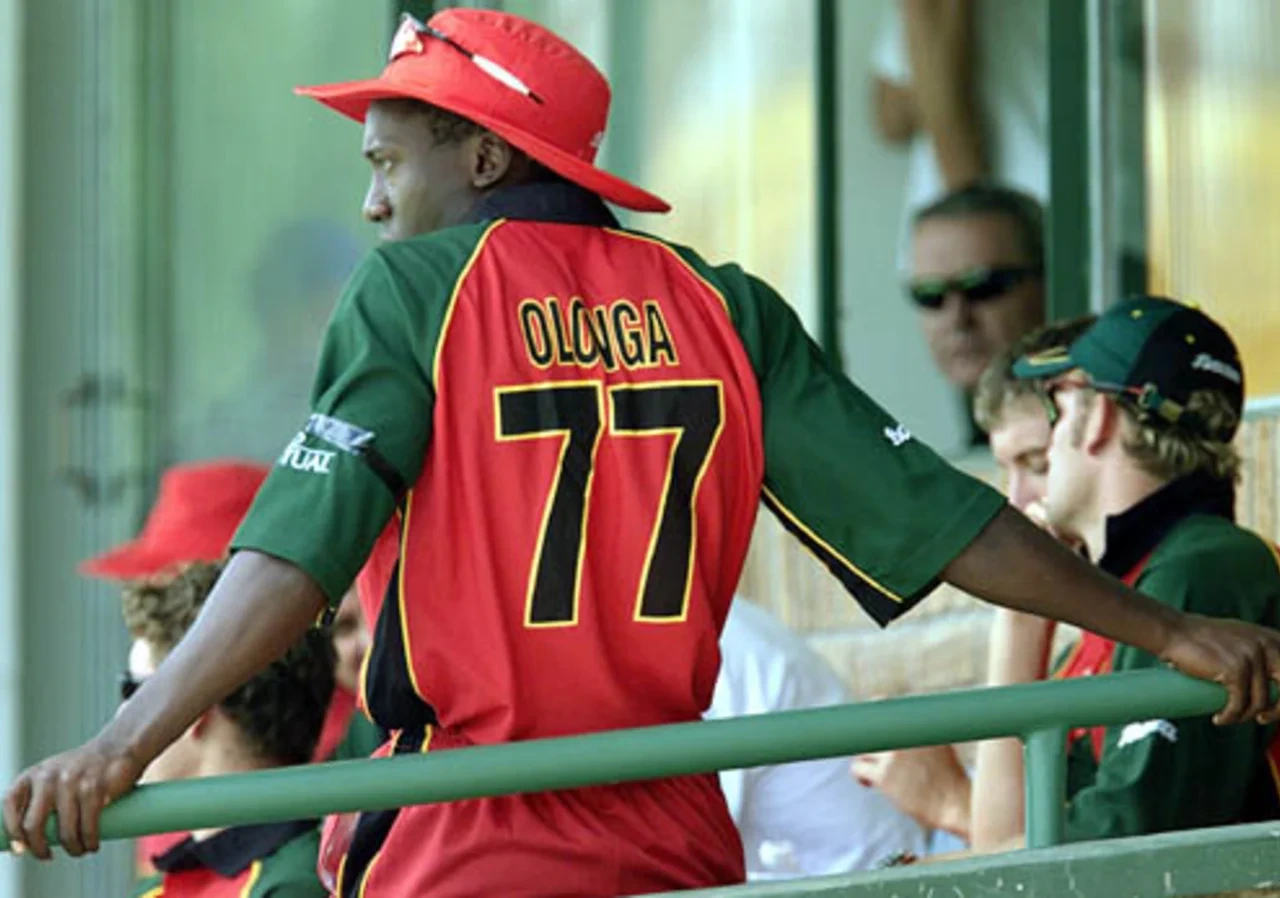
Before this, at the 1968 Mexico Olympics, Tommy Smith and John Carlos raised the Black Power salute to draw attention to the struggle of Black people. After that moment, the protest by the two Zimbabwe players was seen as one of the strongest protests in the history of any sport. Because they spoke out against Mugabe, Olonga and Flower were forced to retire from international cricket and leave their country after the 2003 World Cup ended.
On This Day - February 10, 2003 - Namibia's International Cricket Debut
The match in which Henry Olonga and Andy Flower wore black armbands to mourn the “death of democracy” in Zimbabwe was also Namibia’s first international match. Namibia played their first ODI and international game in Harare in 2003. In that match, Zimbabwe batter Craig Wishart scored 172 runs off 151 balls, which was the highest individual score by a Zimbabwe player at that time. Because of his innings, the hosts scored 340 runs for the loss of 2 wickets in 50 overs and set Namibia a big target of 341 runs.
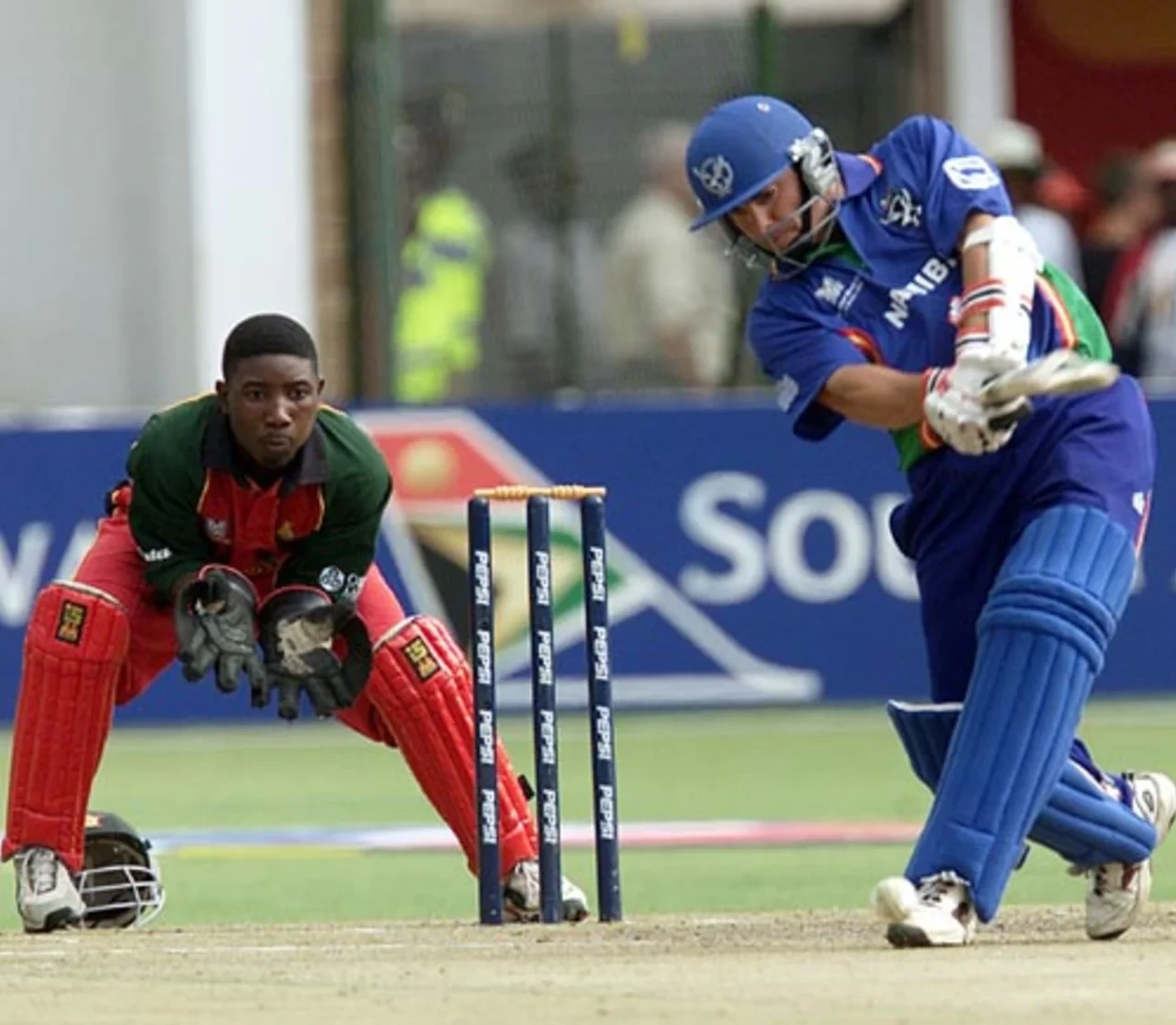
However, in this rain-affected match, Namibia were finally given a target of 191 runs in 25.1 overs, but they could score only 104 runs. Namibia played five more matches in that tournament but did not win a single game. Since then, the team has not played regular ODI cricket and has only appeared in ICC World Cup Qualifiers, ICC World Cricket League Division 2, and ICC World Cup League 2. All these matches were played in an attempt to qualify for the World Cup, but Namibia have failed to qualify even once since 2003. In that 2003 World Cup, they got entry only because they were co-hosts.
On This Day - February 10, 2025 - Matthew Breetzke’s 150 Runs On His ODI Debut
On 6 February 2025, South African batter Matthew Breetzke made his ODI debut against New Zealand in Karachi. He scored 150 runs in the match, which is the highest score by any player on ODI debut. With this innings, Breetzke broke the record of former West Indies batter Desmond Haynes, who had scored 148 runs on his ODI debut against Australia in St John’s in 1978.
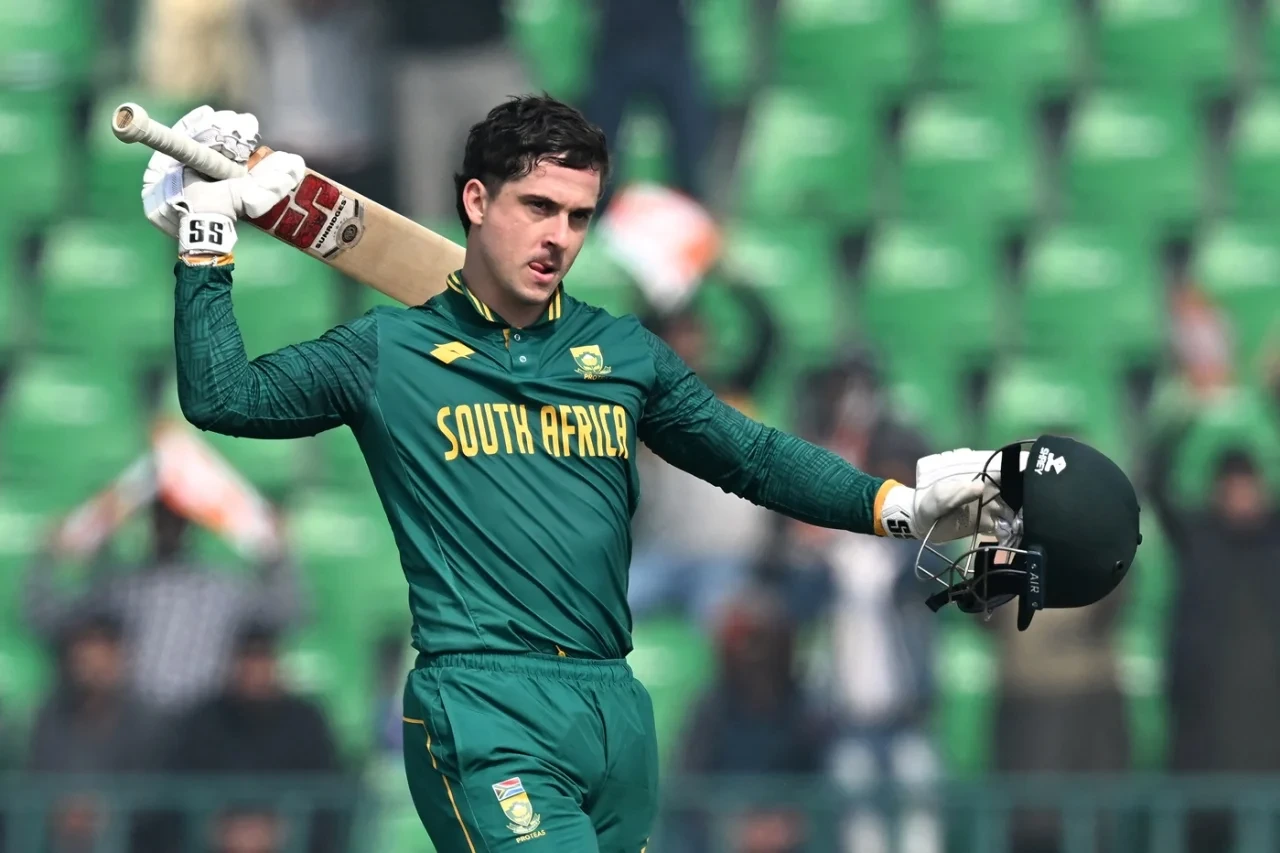
Matthew Breetzke’s 150 runs off 148 balls helped South Africa score 304 for 6 in the first innings and set New Zealand a target of 305. New Zealand started the chase well and stayed in control for most of the match. After Will Young was out for 19 at a team score of 50, Devon Conway and Kane Williamson added 187 runs for the second wicket. Their partnership made the chase comfortable, and New Zealand won the match by 6 wickets with 8 balls remaining.
On This Day - February 10, 1981 - India Defend 143 to Set Up Historic Melbourne Win
On this day in February 1981, India laid the foundation for a historic win against Australia at Melbourne by defending a small target of 143 runs under the captaincy of Sunil Gavaskar. In the same match, Australian fast bowler Dennis Lillee equalled Richie Benaud’s record of 248 Test wickets for Australia. The match also saw a heated argument between Lillee and the Indian captain, which created tension and raised fears that the game might end early. By the end of Day 4 on February 10, India had already taken three Australian wickets for just 24 runs while defending the target.
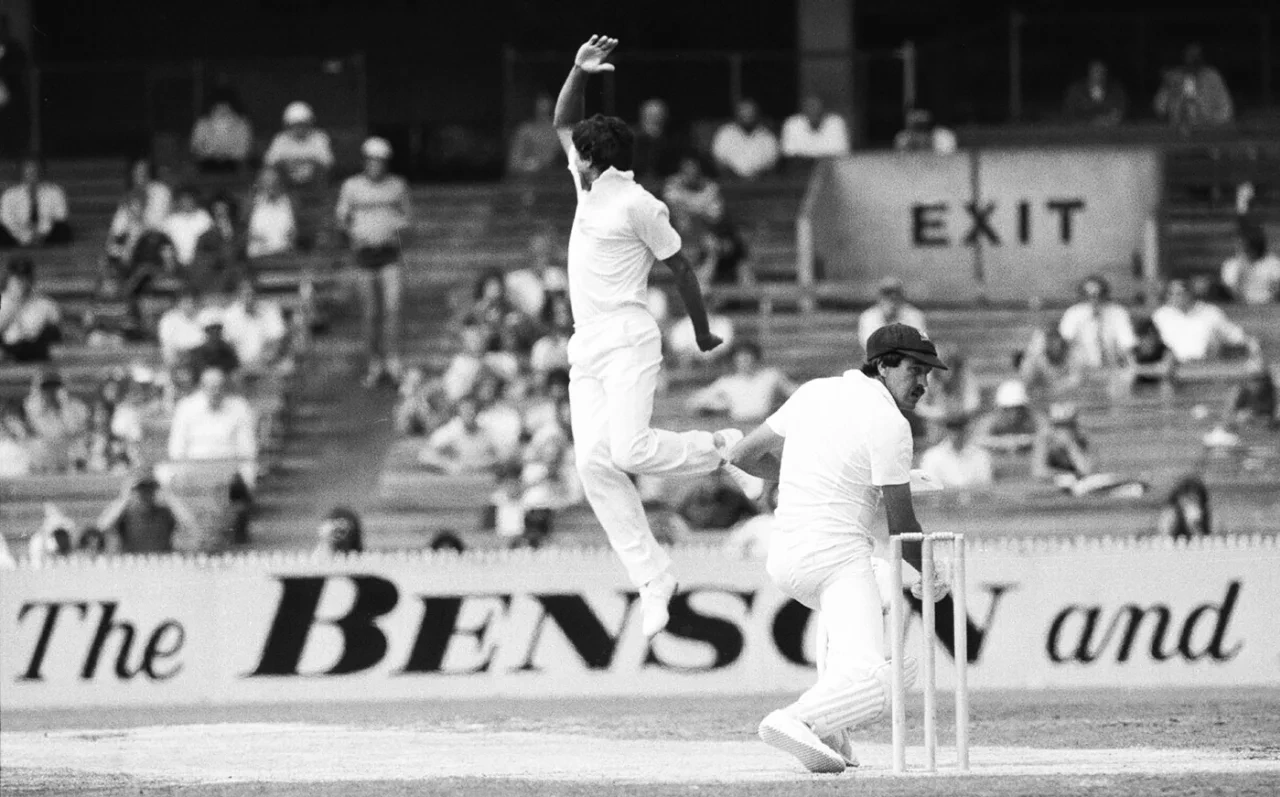
Despite this, most people believed that the star-studded Australian team would easily chase the target. The result, however, was very different the next day. Kapil Dev bowled brilliantly and took 5 wickets for 28 runs, and Australia’s batters could not survive for long. The entire team was bowled out for just 83 runs, with Doug Walters top-scoring with 18. Australia had won the toss and chose to bowl first. India scored 237 in the first innings and 324 in the second, while Australia had earlier made 419 in their first innings to take a big lead of 182 runs. Even after that advantage, India’s win turned out to be historic.
On This Day - February 10, 2024 - Sunrisers Eastern Cape Won Their 2nd SA20 Title
On this day, Sunrisers Eastern Cape won their second consecutive SA20 title by beating Durban Super Giants by 89 runs in the final played at Cape Town. Batting first, Sunrisers Eastern Cape scored 204 runs for the loss of three wickets in 20 overs. Jordan Hermann scored 42 runs, Tom Abell made 55, captain Aiden Markram added 42, and Tristan Stubbs scored 56 runs.
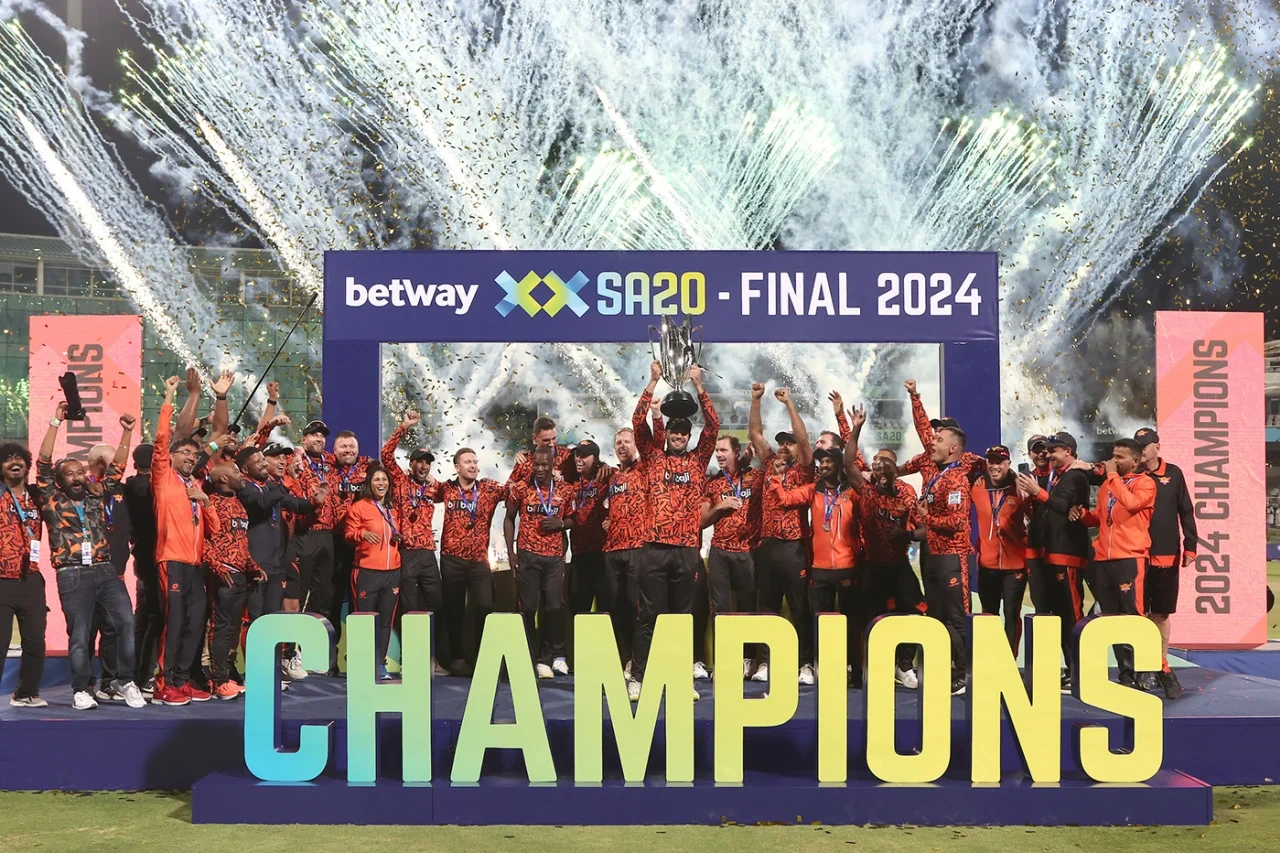
Chasing a big target of 205 runs, Durban Super Giants were bowled out for just 115 and lost the match by 89 runs. Sunrisers Eastern Cape are now the most successful team in SA20 history. They have reached the final in all four seasons played so far. During this period, they have won three titles. They lost the final of the 2024–25 season against MI Cape Town, but bounced back in the very next season, 2025–26, to win the title again.
On This Day - February 10, 1912 - Hobbs and Rhodes’ 323-Run Opening Stand in the Ashes
On this day in 1912, Jack Hobbs and Wilfred Rhodes shared a 323-run opening partnership for England in the fourth Ashes Test at Melbourne. Because of this stand, England scored 589 runs in their first innings. England then won the match by an innings and 225 runs and sealed the Ashes series. Before this match, England were leading the series 2-1, and after this win they took an unassailable 3-1 lead.
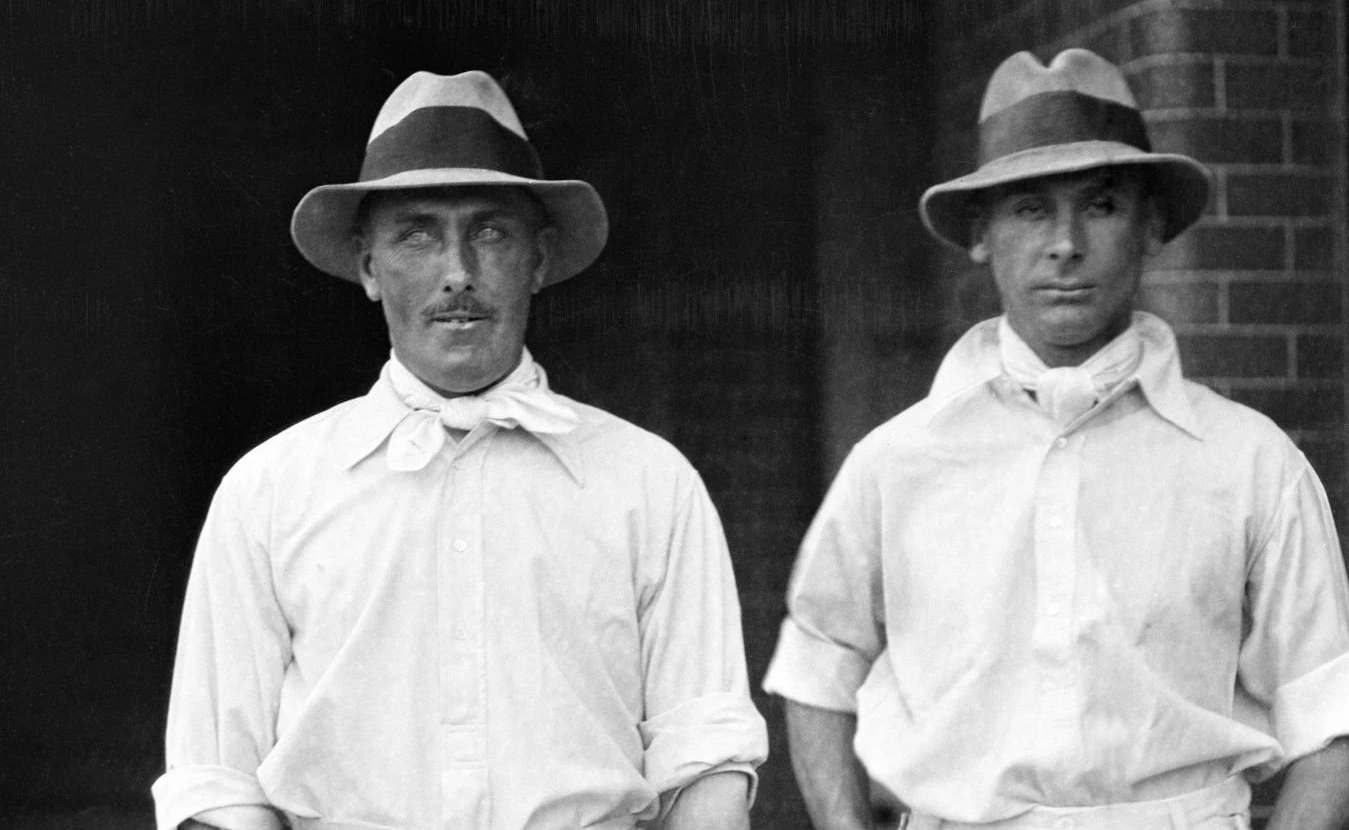
Interestingly, Jack Hobbs almost always opened the batting in his career, but Wilfred Rhodes started his Test career in 1899 batting at number 11, and in his final Test in 1930 he batted at number 10. Despite this, in the Melbourne match he opened the innings with Hobbs and played a remarkable knock. Rhodes scored 179 runs off 405 balls, while Hobbs made 178, and together they gave England a huge start.
On This Day - February 10, 1978 - John Wright Led New Zealand to Their First Test Win Over England
This day is very special in New Zealand cricket history because from 10 to 15 February, they recorded a historic win against England in Wellington. It was New Zealand’s first-ever Test victory over England. The match is also remembered for opener John Wright, whose long and patient innings played a major role in this famous win.
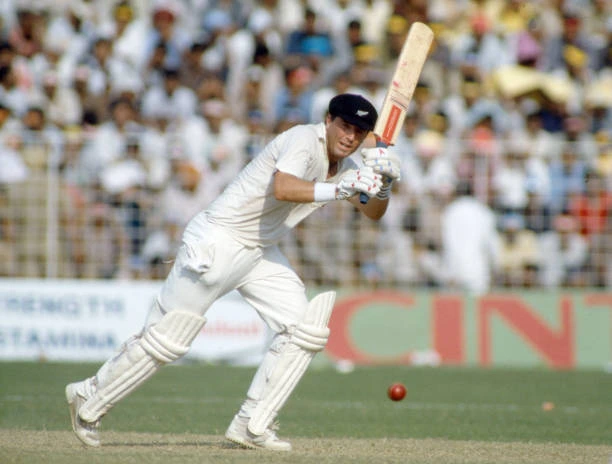
Opener John Wright batted for a total of 517 minutes in the match and scored 74 runs across both innings. He scored 55 runs off 244 balls in 348 minutes in the first innings and then made 19 runs off 105 balls in 169 minutes in the second innings. He stayed at one end and protected the wickets, which helped New Zealand win a low-scoring match. New Zealand scored 228 in the first innings, while England replied with 215. New Zealand were then bowled out for 123 in the second innings and set England a target of 137. England collapsed for just 64 runs in the final innings, and New Zealand won the match by 72 runs.
 0
0 0
0 0
0 0
0 0
0 0
0
Comments
Sign up or log in to your account to leave comments and reactions
0 Comments