


On This Day In Cricket - January 22

Cricket is a game where we get to see something new or surprising every day. It has memorable moments that make any date a special day and 22nd January is just such a day in cricket history. From the first-ever innings victory in Test cricket to unforgettable last-over finishers, record-breaking centuries and iconic debuts, this date has created moments that left a lasting mark on the game. 22 January has witnessed historic Test matches, famous ODI finals, unforgettable individual performances and the rise of future legends across different eras and formats of cricket. Let’s have a closer look at these remarkable cricket moments of this day in cricket history.
On This Day - January 22, 1883 - First Innings Victory in Test Cricket
The match played from 19 to 22 January at the Melbourne Cricket Ground was the first Test in cricket history to be won by an innings margin. England defeated Australia by an innings and 27 runs in this historic match. This is best remembered for the remarkable performance of England all-rounder Billy Bates, who took England’s first-ever Test hat-trick by dismissing Percy McDonnell, George Giffen and George Bonnor on consecutive balls. He also became the first player in Test history to score a half-century and take 10 or more wickets in the same match.
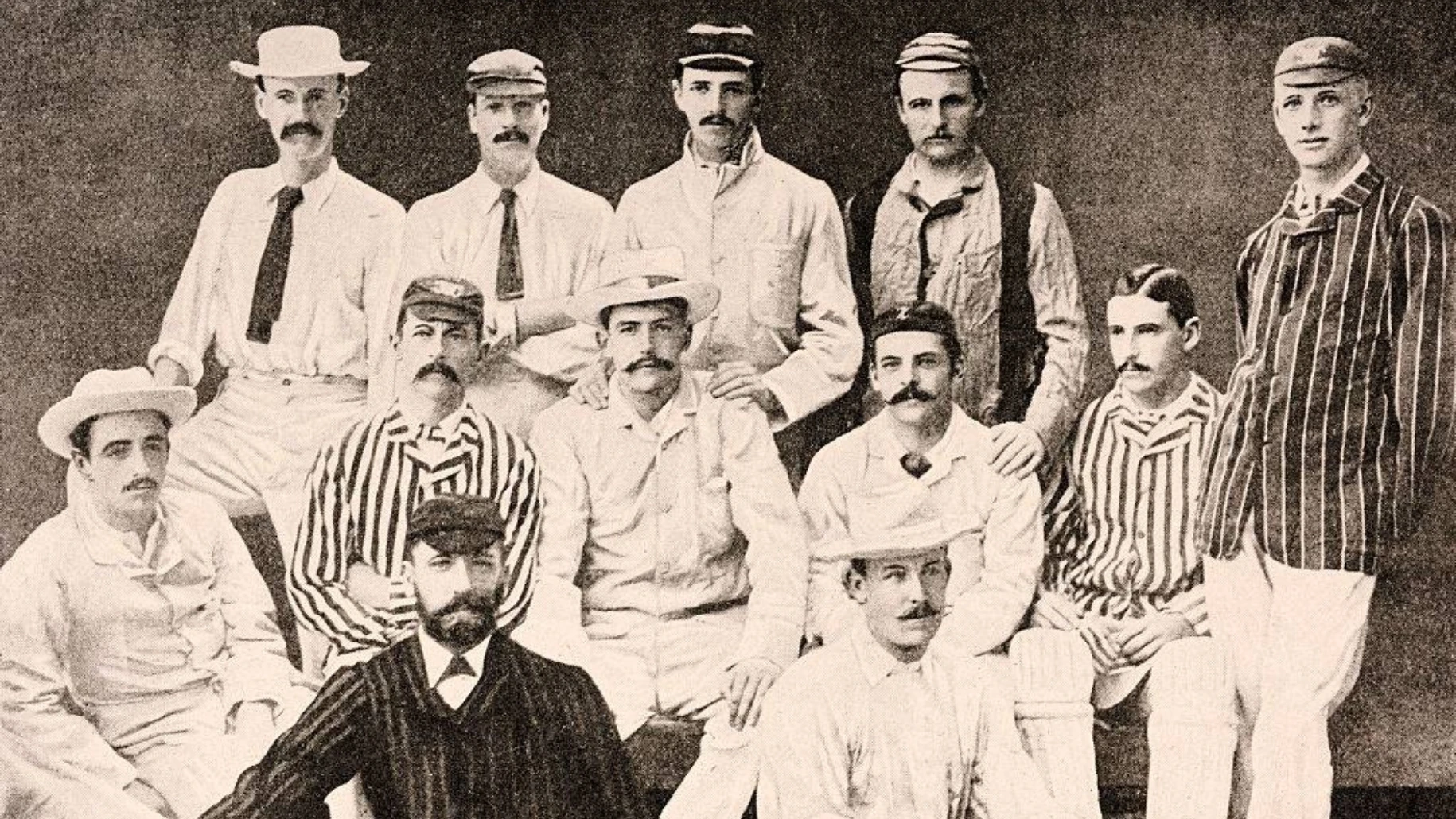
England won the toss and chose to bat first, scoring 294 runs with Walter Read’s 75 and Billy Bates’ 55. Australia’s batting then collapsed and they were bowled out for just 114 in the first innings, with Bates taking 7 wickets for 28 runs. Australia struggled again in the second innings and were dismissed for 153, despite George Bonnor scoring a quick 34. Billy Bates once again took 7 wickets, giving away 74 runs as England completed a famous and historic victory.
On This Day - January 22, 1980 - West Indies Wins Benson & Hedges World Series Cup
On 22 January 1980 in the second final played at the Sydney Ground, West Indies defeated England by 8 wickets to win the Benson & Hedges World Series Cup. This was the first official tri-nation series held after World Series Cricket and featured Australia, England and West Indies. West Indies won the best-of-three finals 2-0, having already beaten England by 2 runs in the first final played in Melbourne.
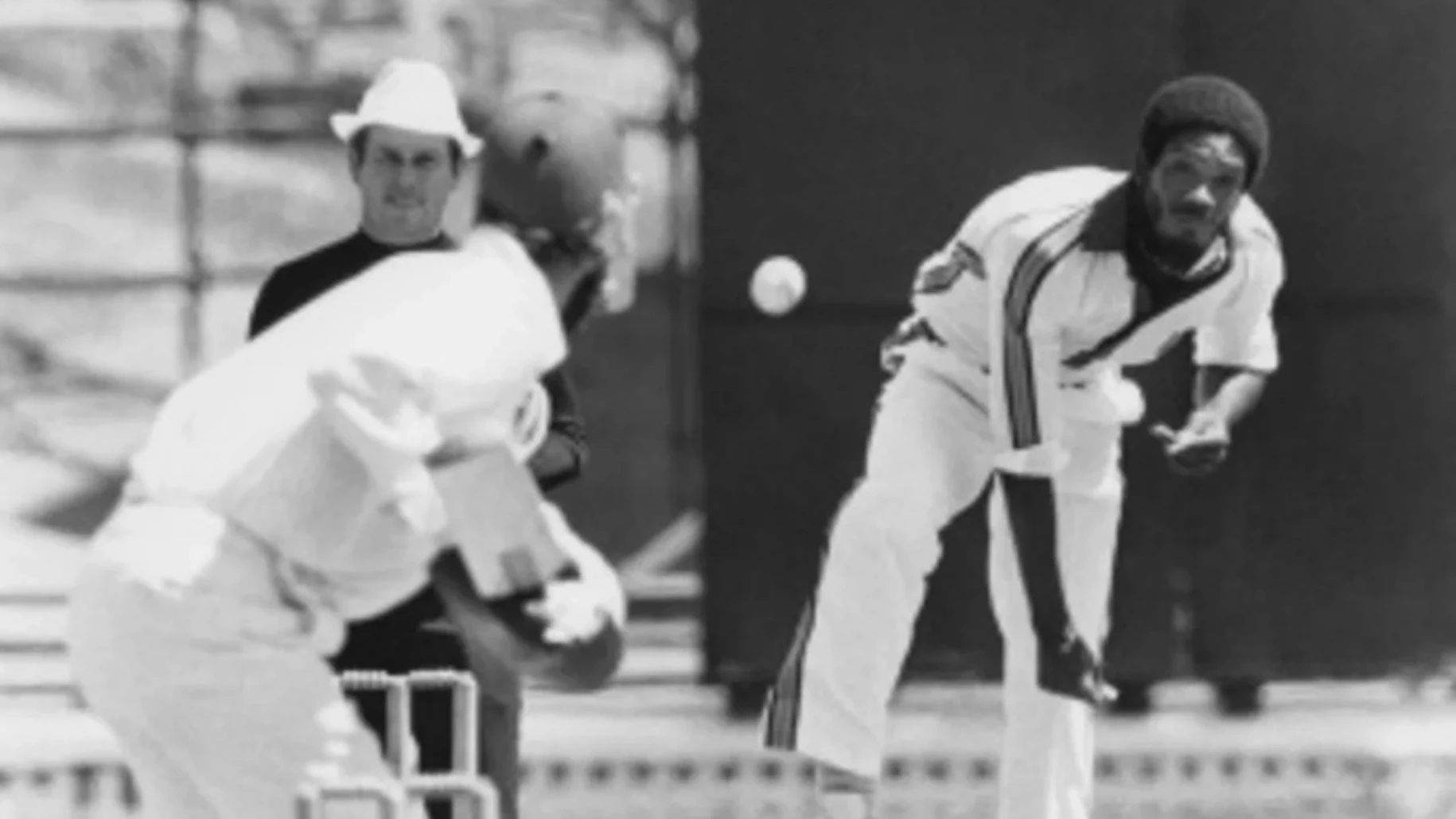
In the second final, England won the toss and batted first, scoring 208 for 8 in 50 overs, with Geoff Boycott top-scoring with 63 runs. In reply, West Indies chased the target comfortably, reaching 209 for 2 in 47.3 overs. Opener Gordon Greenidge played a match-winning innings of 98 not out and was named Player of the Match. Viv Richards scored 65 runs and both Richards and Greenidge were jointly named Player of the Series.
On This Day - January 22, 1987 - Allan Lamb's Last-Over Heist Against Australia
The match played on 22 January 1987 at the Sydney Cricket Ground is remembered as one of the greatest turnarounds in cricket history. Australia scored 233 runs with Dirk Wellham scoring 97 runs. England started the chase well but ran into trouble at the end. They needed 32 runs from the last three overs, 25 from the last two overs and finally 18 runs from the last over. Allan Lamb was at the crease with an unbeaten 77, but he had struggled for timing and boundaries earlier in the innings. He was facing Australia’s most economical bowler Bruce Reid in the last over.
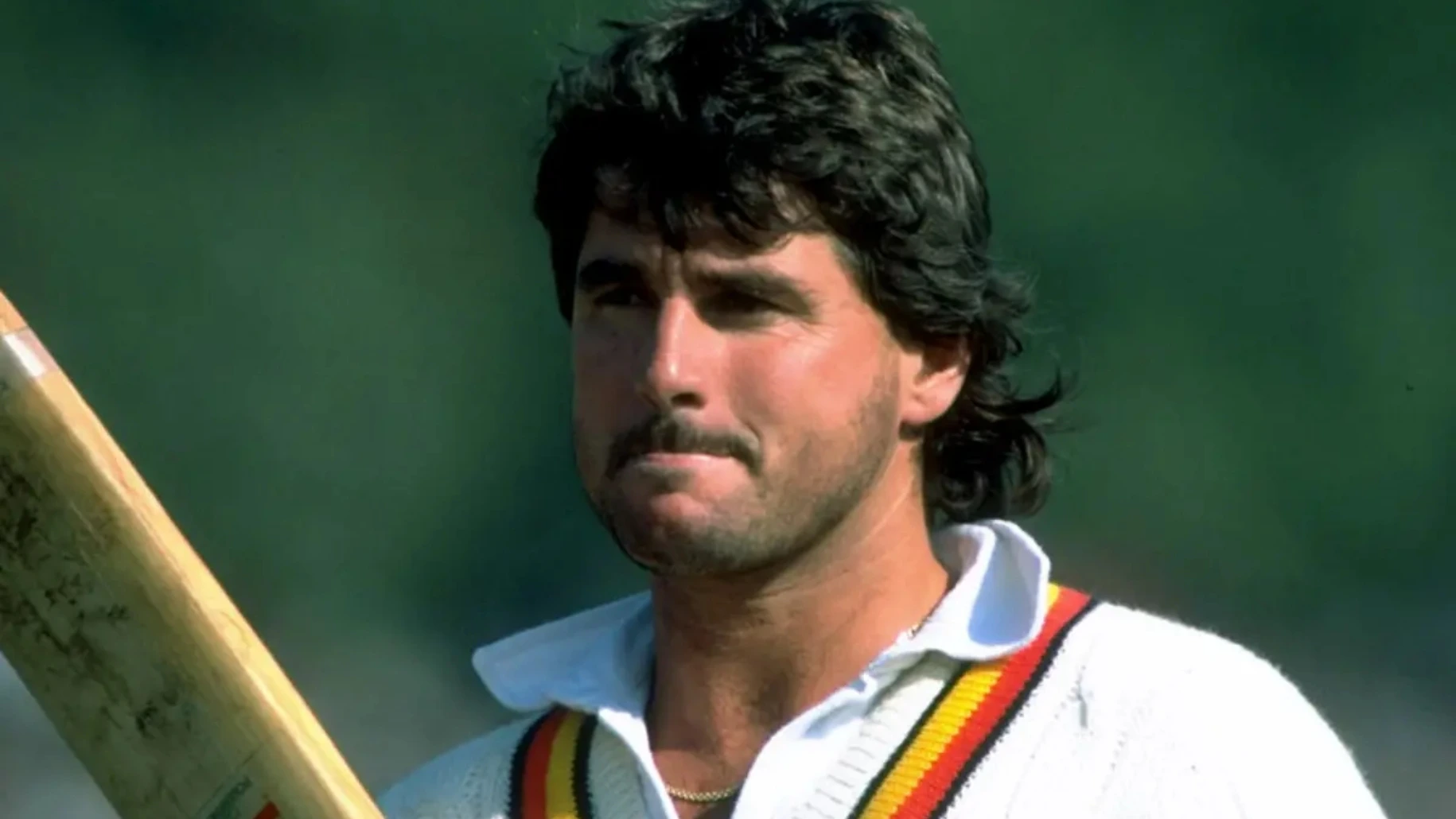
The final over changed everything, when Lamb took 2 runs from the first ball, hit a four on the second, smashed a six over mid-wicket on the third and picked up 2 more runs after a missed take on the fourth. Only 4 runs needed from the last 2 balls, Lamb flicked the fifth ball to the mid-wicket boundary to seal the win. England won by 3 wickets with one ball remaining. Lamb scored all 18 runs in the over with the sequence 2, 4, 6, 2, 4 and was named Player of the Match. He helped England to reach the final and later they won the 1987 Benson & Hedges World Series Cup.
On This Day - January 22, 1988 - Brian Lara's First-Class Debut
Brian Lara known as the “Prince of Port of Spain,” made his first-class debut on this day in 1988 for Trinidad and Tobago against the Leeward Islands. Lara was just 18 years old and had a modest start, scoring 14 and 22 runs, as he was dismissed in both innings by Elquemedo Willett. In the very next match against Barbados, he showed his skills by scoring an impressive 95 runs against fast bowlers Malcolm Marshall and Joel Garner, while no other batter in his team crossed 50. Lara later admitted that early in his career, he was afraid of facing Malcolm Marshall.
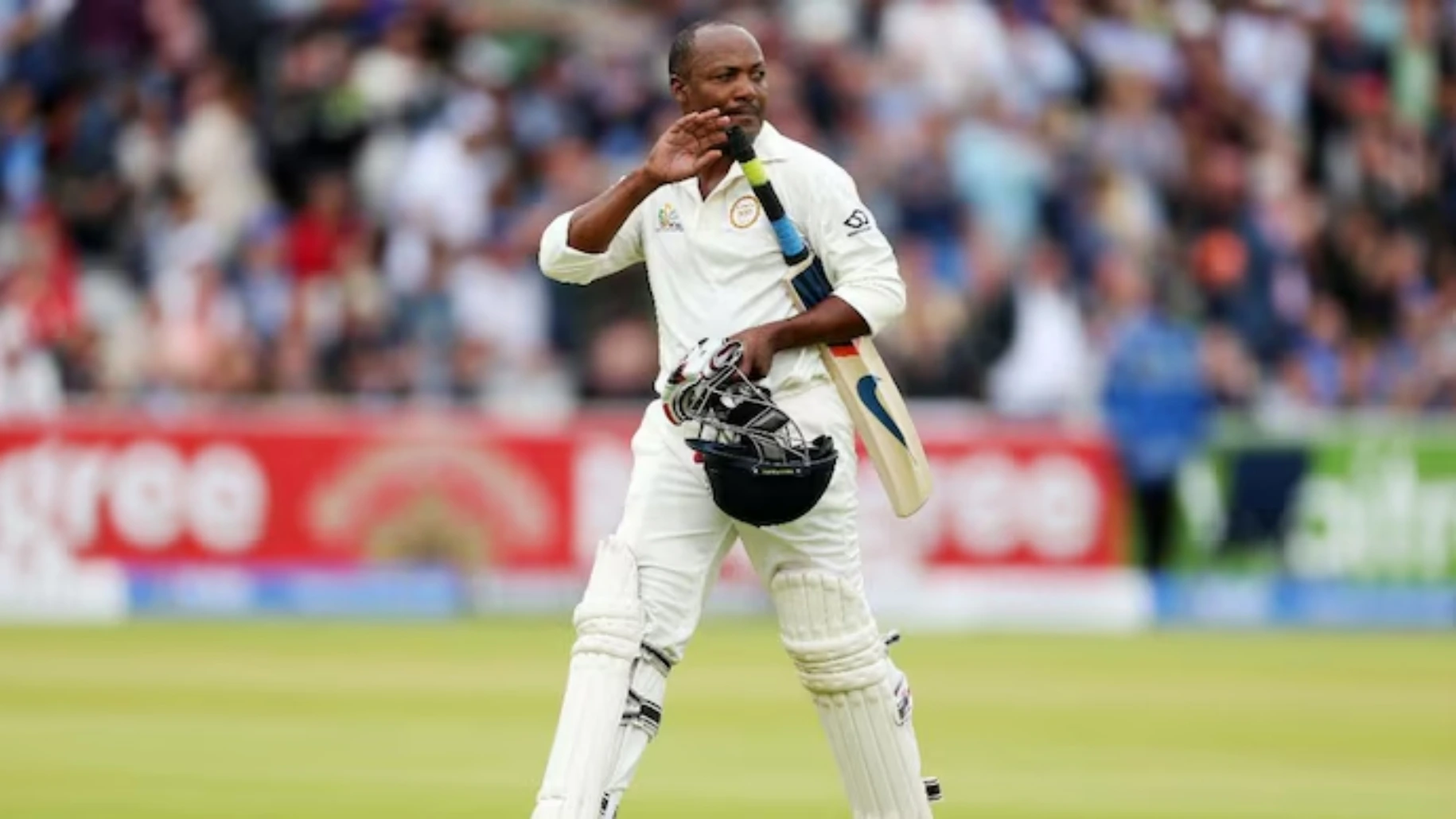
Lara went on to have a historic career and scored a total of 11,953 runs in Test cricket. He is the only player in history to hold the record for the highest individual score in both Test and first-class cricket. In 1994 playing for Warwickshire, he scored an unbeaten 501 against Durham. Ten years later in 2004, Lara reclaimed the Test record by scoring an unbeaten 400 against England in Antigua. He captained the West Indies and led the team to victory in the ICC Champions Trophy in 2004.
On This Day - January 22, 1988 - Carl Hooper's Century Stuns India in Gwalior
On 22 January 1988 in the sixth ODI played at Gwalior, Carl Hooper scored his maiden ODI century and led West Indies to a 73-run win also giving them a decisive 5-1 lead in the seven-match series. Batting first after losing the toss, West Indies were in trouble at 103 for 4, but Hooper added 108 runs for the fifth wicket with Gus Logie, who scored 54. Hooper remained unbeaten on 113 off 97 balls and scored 57 of the 67 runs made in the final 5.5 overs, helping West Indies reach 278 for 6.
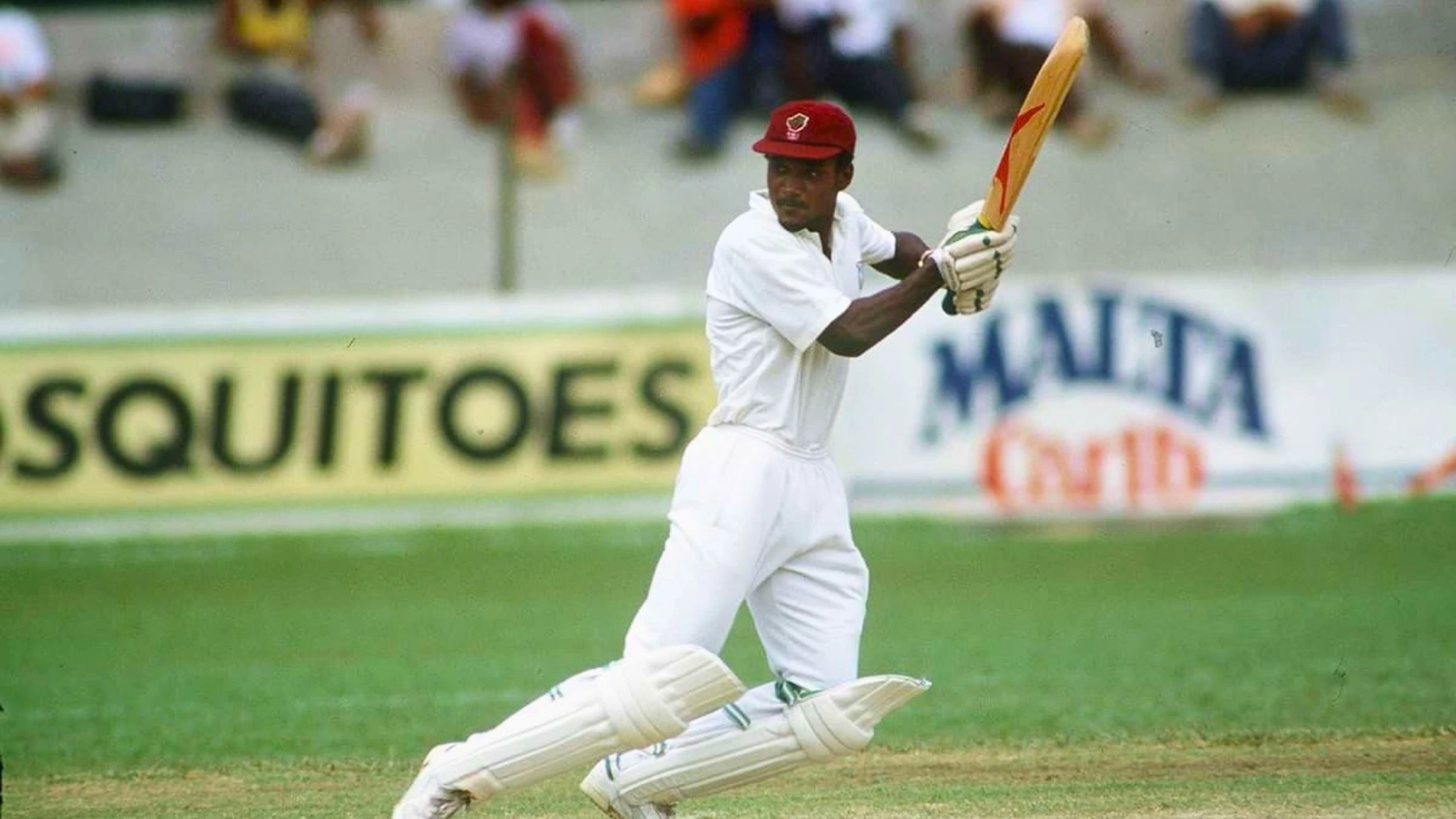
India had a poor start in the second innings and were at 134 for 8 due to Patrick Patterson, who took 4 wickets for 29 runs. Kapil Dev scored 52 and Ravi Shastri made an unbeaten 73 to reduce the margin of defeat, but India were bowled out for 205 in 41 overs. Narendra Hirwani made his ODI debut in this match but had little impact and Hooper was named Man of the Match for his performance.
On This Day - January 22, 1990 - Wasim Akram Scores Maiden Test Century
On 22 January 1990 during the second Test match played in Adelaide, Wasim Akram surprised everyone with his batting. Pakistan were in trouble in their second innings at 90 for 5 and were facing the danger of an innings defeat against Australia. At that point, Akram came in and scored the first Test century of his career. He made 123 runs off 195 balls, hitting 18 fours and one six.
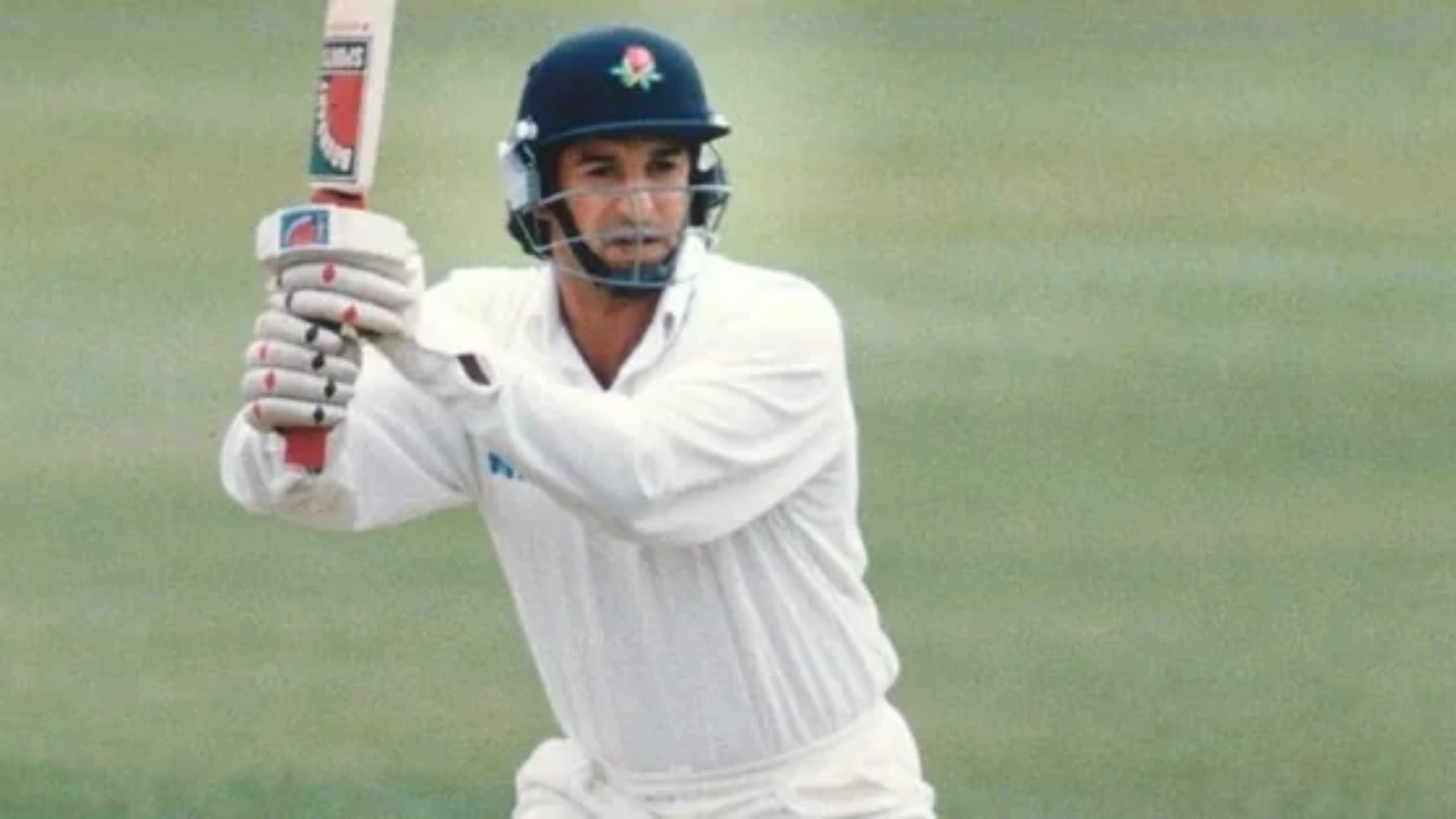
Akram then shared a crucial sixth-wicket partnership of 191 runs with captain Imran Khan, who scored 136. Their partnership helped Pakistan recover and secure a draw. Akram’s performance was even more special because he had also taken five wickets in Australia’s first innings. For his all-round effort of a century and five wickets, he was named Player of the Match.
On This Day - January 22, 2022 - Raj Bawa Smashes 162* in U19 World Cup
On 22 January 2022 in an Under-19 World Cup match played in Trinidad, Raj Bawa created history with an unbeaten 162 off 108 balls. He became the highest-scoring Indian batter in a single innings in Under-19 World Cup history after this innings and also broke Shikhar Dhawan’s 18-year-old record of 155 runs set in 2004 against Scotland. Bawa played aggressively and added a record 206 runs for the third wicket with Angkrish Raghuvanshi, which became the biggest third-wicket partnership in the tournament.
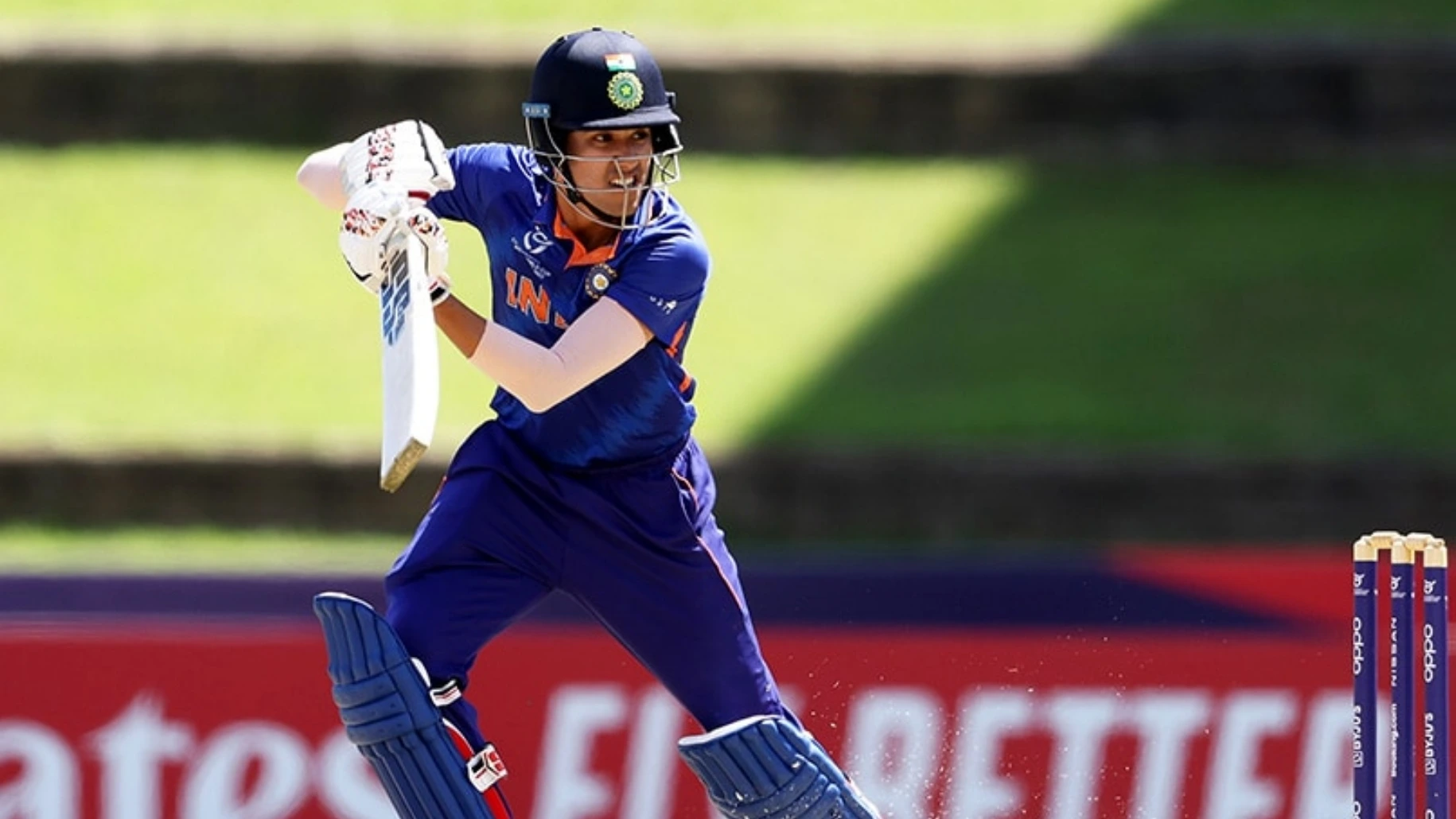
India scored 405 for 5 in the first innings and it was the first 400-plus total in the history of the Under-19 World Cup. India’s Angkrish Raghuvanshi also scored 144 runs off 120 balls, hitting 22 fours and 4 sixes. Chasing a huge target, Uganda were bowled out for just 79 in 19.4 overs. India won the match by 326 runs, the second-biggest win by runs in Youth ODI history. Acting captain Nishant Sindhu with his on-point delivery took 4 wickets for 19 runs.
 0
0 0
0 0
0 0
0 0
0 0
0
Comments
Sign up or log in to your account to leave comments and reactions
0 Comments