How Does Dew Affect Cricket? Why It Turns Night Matches into a Batting Paradise
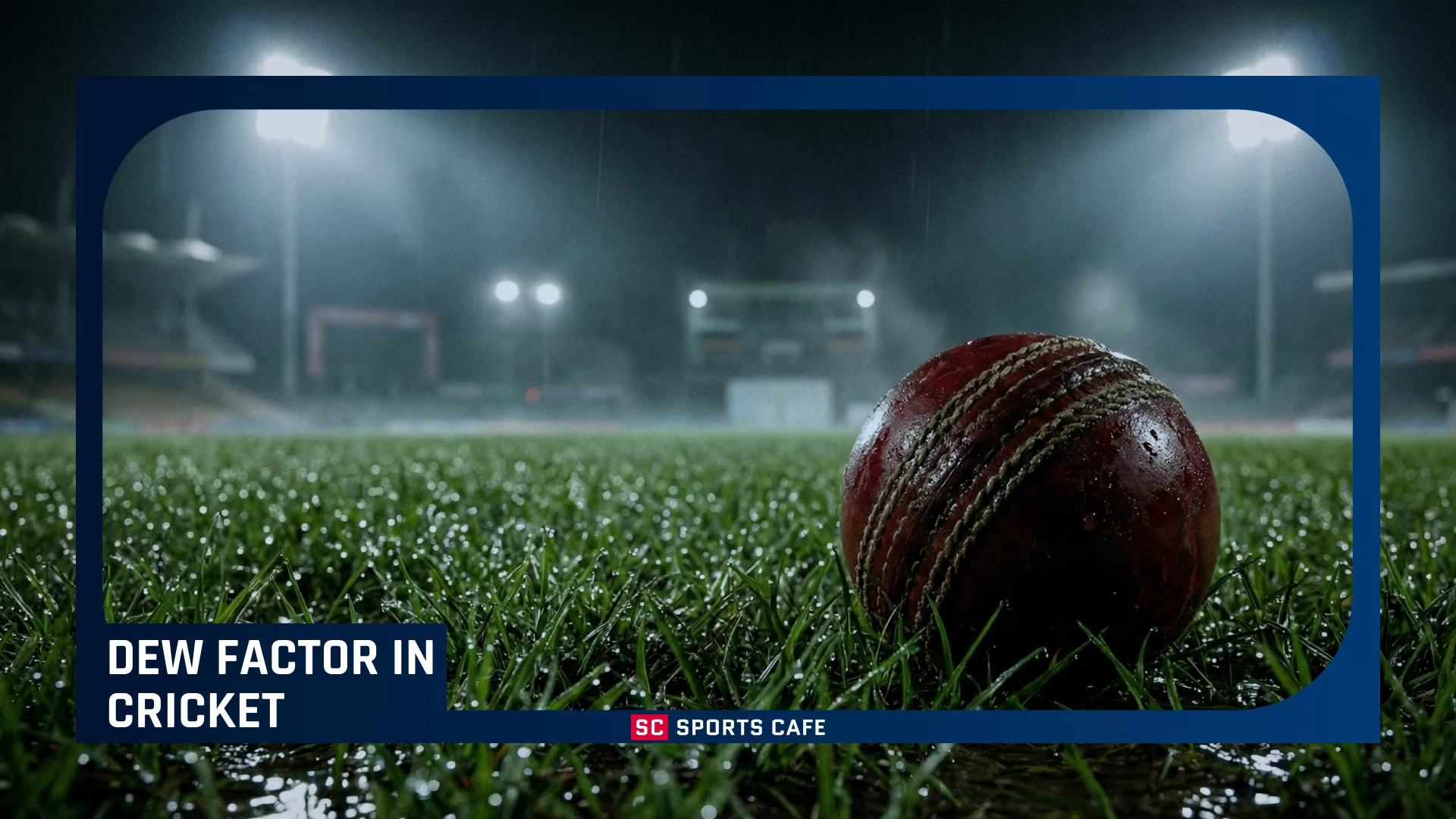
Dew plays a much bigger role in cricket than many casual viewers expect. In evening games, especially under lights, dew in cricket can quietly reshape conditions and swing results. It forms when air temperature drops enough for moisture to condense on the grass and surface, a point known as the dew point. Once that happens, the outfield turns damp, the ball absorbs moisture, and control becomes harder for the fielding side.
To answer what is dew factor in cricket, it refers to the advantage that comes from these changing conditions, usually favoring the team batting second. A wet and slippery ball becomes difficult to grip, which affects bowling accuracy and fielding efficiency. Spinners struggle to get purchase, seamers lose movement, and defensive plans start to fall apart. At the same time, batters enjoy a cleaner bounce and faster outfield, which makes chasing targets far more comfortable.
In this complete guide, you’ll learn how dew forms and why it appears so often in night matches, why bowlers dislike it so strongly, how captains base crucial toss decisions on expected moisture, and how bettors can turn an understanding of dew into a real edge.
The Science of Dew: Why and When Does It Form?
Dew appears because air and temperature do not stay constant after sunset. During the day, warm air holds moisture easily. As evening arrives, ground temperature drops faster than the air above it. When that drop reaches a critical point, moisture in the air has nowhere to stay and settles onto nearby surfaces.
Humidity plays a major role in this process. High humidity means more water vapor floats in the air. When night cooling begins, that vapor turns into liquid far more quickly. Grass, pitch edges, and boundary areas cool first, which explains why moisture shows up on the outfield before it becomes obvious elsewhere.
Timing also matters. Dew rarely appears early in the match. It builds gradually after sunset and often reaches peak levels late in the second innings. That delay explains why conditions can feel fair at the start and completely different by the final overs.
Understanding Condensation and Dew Point
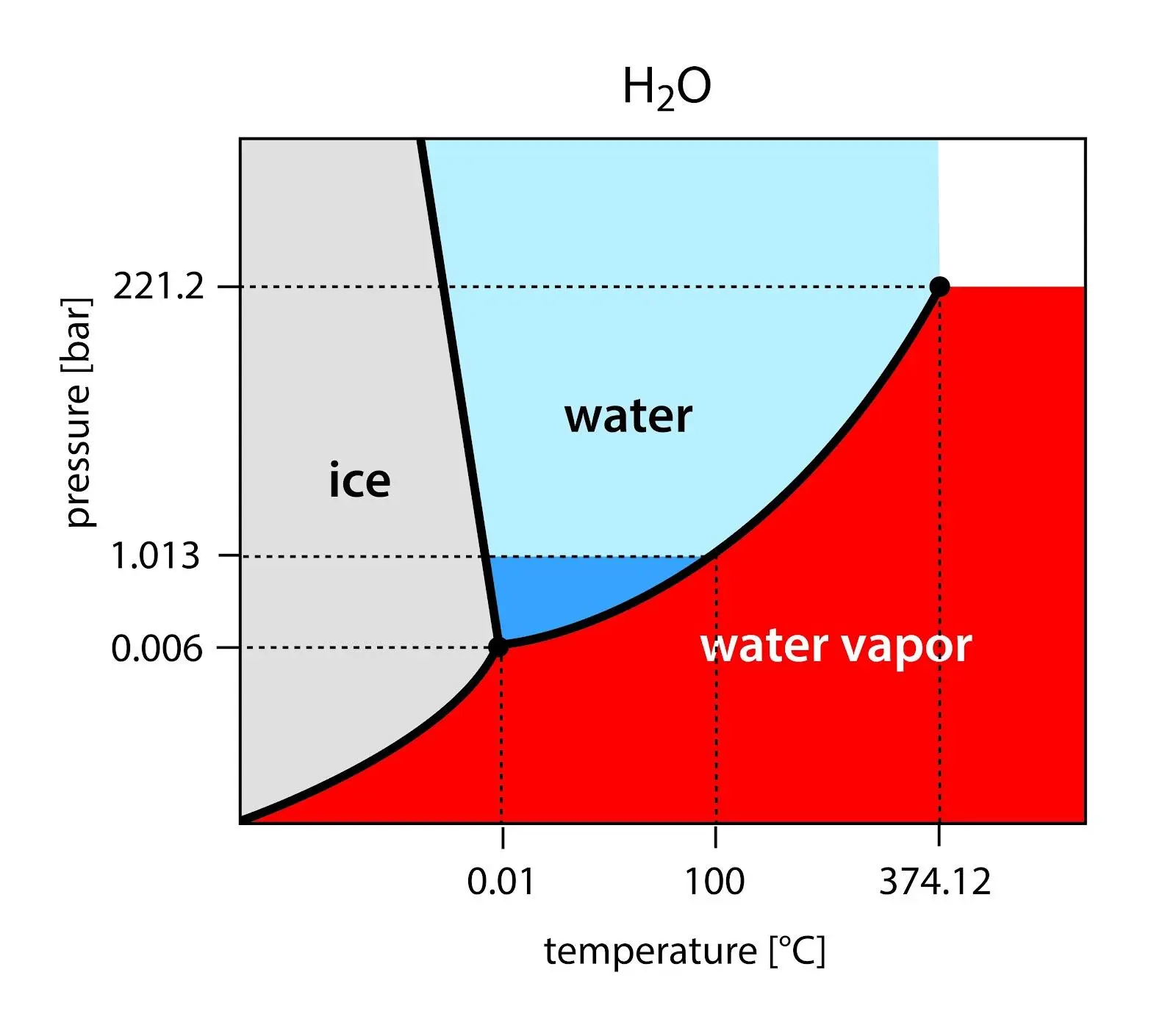
The idea of dew point explains why moisture suddenly appears on a cricket ground after sunset. Air always carries some amount of water vapor, even when it feels dry. As long as the air stays warm enough, that vapor remains invisible. Problems start when the temperature drops.
Dew point is the exact temperature at which air can no longer hold all that moisture. Once the air cools to that level, excess water turns into liquid. Those tiny droplets settle on the coldest surfaces first, which usually means outfield grass, pitch edges, and even the ball.
Humidity controls how soon this happens. Higher humidity means more water already sits in the air, so the dew point rises. In such conditions, only a small temperature drop is enough to trigger condensation. That explains why some nights feel dry early on, then suddenly turn wet, leaving a slick outfield that changes how the game plays.
Why is Dew Common in Subcontinental Conditions?
Dew appears far more often in subcontinental regions because of how the climate behaves after sunset. Countries like India, Sri Lanka, and the UAE experience hot days followed by noticeably cooler evenings, especially during winter matches. That sharp temperature drop creates the perfect setup for moisture to settle on the grass once the sun goes down.
Humidity adds another layer to the problem. Air in these regions usually holds a high level of moisture, even on clear nights. When evening temperatures fall, condensation begins quickly and spreads across the outfield. As a result, a day night match in these locations can feel balanced early on and completely different later.
Because of this pattern, the toss becomes extremely important. Teams know that batting second often comes with easier conditions, while the side bowling late must deal with a wet ball and a slippery field. In subcontinental cricket, dew does not arrive by chance. It follows the climate closely and often decides how a match unfolds.
The Nightmare for Bowlers: How Dew Affects the Ball
Dew creates immediate problems for bowlers once moisture settles on the field. A wet ball becomes hard to control, slips easily from the hand, and refuses to behave as expected after pitching. Accuracy drops, confidence fades, and even experienced bowlers struggle to repeat their usual lines.
The Struggle with Gripping the Ball
Once dew settles in, gripping the ball becomes a serious challenge. Moisture spreads across the surface, and the seam loses its sharp feel, which weakens control at release (gripping the ball). The ball can slip out of the hand unexpectedly, almost like holding a bar of soap, and even slight movement errors become costly.
As grip fades, control over line and length disappears. Deliveries drift too full, turning into full toss, or sail outside the batter’s reach as wides. Bowlers often try to adjust their fingers or slow their action, but that rarely solves the issue. Among all problems caused by dew, loss of grip remains the main bowling difficulty and affects every delivery type.
Spinners vs. Pacers in Dew
Dew affects all bowlers, but spinners suffer far more than anyone else. Spin bowling depends on strong finger or wrist action, and moisture removes that control almost completely. When water fills the seam, the ball refuses to rotate properly, so the turn disappears. Batters can step forward with confidence, knowing the ball will not grip the surface.
Pacers face problems as well, though of a different kind. A wet ball makes seam movement unreliable, and swing fades quickly once moisture sets in. Fast bowlers can still rely on pace, but accuracy drops, and variation becomes harder to control late in the innings.
Below is a comparison of how dew affects each bowling type:
Bowling Type
Main Problem
Result on the Ball
Spinners
Loss of finger and wrist grip
Little to no turn
Spinners
Wet seam
Inconsistent bounce
Pacers
Slippery seam
Reduced seam movement
Pacers
Poor grip at release
Loss of swing and accuracy
Because of these differences, teams often avoid spin bowling late in dewy matches and rely more on pace, even if conditions normally favor spin earlier in the game.
Bowling Adjustments: Cross-Seam and Yorkes
When dew settles in, bowlers must adjust quickly. One common option is a cross-seam delivery. Holding the ball across the seam reduces slipping at release and helps the ball bite the surface slightly instead of skidding straight on. Movement stays limited, but control improves compared to a normal seam position.
Bowlers also shift toward yorkers and avoid complex variations. Straight, full deliveries reduce scoring options and limit the need for sharp grip changes. The margin for error stays small, since a missed yorker turns into a full toss, but under wet conditions, controlled basics usually work better than risky changes.
The Batting Paradise: Why Chasers Love Dew
Dew often turns the second innings into a far easier task for batters. Once moisture settles on the field, conditions shift away from balance and start favoring the chasing side. Bowling becomes harder, fielding loses sharpness, and scoring feels less demanding. That change explains why batting second often brings a clear second innings advantage in night matches.
The Skidding Ball Effect
When dew settles on the field, the ball behaves in a very different way after pitching. Instead of gripping the surface or losing pace, it skids straight onto the bat. The wet grass and damp pitch reduce friction, so the ball stays low and travels faster than expected.
For batters, that change brings comfort. Bounce becomes easier to judge, and unexpected movement almost disappears. Shots feel cleaner, timing improves, and confidence grows quickly. This effect explains how does dew affect cricket so strongly in night matches, since bowlers lose variation while batters gain predictability.
Wet Outfield and Lightning Fast Boundaries
A damp outfield changes scoring patterns almost immediately. Moist grass reduces friction, so the ball slides across the surface instead of slowing down. Shots played along the ground reach the boundary rope much faster than they would on a dry field, even when they are not struck with full power.
Fielders face extra difficulty under these conditions. The ball feels slick during pickup, and stopping it cleanly takes more effort. Small misjudgments turn into extra runs, which adds pressure on the bowling side and makes defending totals far more difficult late in the game.
The Toss Decision: Win Toss, Bowl First?
Dew strongly influences how captains think before the first ball is bowled. The toss stops being a formality and turns into a strategic moment that can shape the entire match. Understanding the dew meaning in cricket helps explain why one decision at the start often carries more weight in night games than pitch reports or team balance.
The "Bowl First" Strategy
In evening matches, one idea dominates the captain's thinking. If dew is expected, the preferred option is almost always to bowl first. The logic stays practical. Bowling with a dry ball in the first innings gives better control, a cleaner grip, and sharper fielding. Later, batting second becomes far more comfortable when the opposition must defend a total with a wet ball and slippery outfield.
Teams that bat first under dry conditions often find their score looking competitive, only to watch it chased with ease once moisture settles. Because of that pattern, captains rarely hesitate when dew forecasts look strong.
Assessing the Dew Factor Before the Match
Teams do not rely on guesswork alone. Captains and support staff study weather reports, humidity levels, and temperature trends. Ground history also matters. Some stadiums attract heavy dew almost every night, while others show more variation.
Timing plays a key role as well. Dew can arrive early, late, or sometimes barely at all. A misread can flip expectations quickly. When forecasts mislead, or conditions change faster than expected, even a well-planned toss decision can backfire and cost the match.
Counter-Measures: How Teams Fight the Dew
Dew cannot be removed completely, but teams try to limit its impact as much as possible. Players and ground staff work together to reduce slipping, improve safety, and keep the ball playable. These methods do not eliminate moisture, but they help restore some control during critical phases of the match.
Before listing the tools, it’s important to note that most actions focus on safety and basic ball handling rather than restoring ideal conditions.
Towels, Sawdust, and Ball Changes
Several practical tools come into play once the field turns damp:
Towels stay in constant use. Bowlers wipe the ball before every run-up, hoping to restore some grip for the next delivery.
Ball changes may get requested if the ball becomes excessively wet and heavy, although umpires approve such requests only under specific conditions.
Sawdust appears near the popping crease to absorb moisture. This step helps bowlers avoid slipping during delivery stride, which reduces injury risk.
The Role of Ground Staff and Super Soppers
Ground staff play a key role during breaks in play. During drinks breaks or short stoppages, staff rush onto the field to drag ropes across the grass, pushing moisture away from key areas. In heavier conditions, machines known as super soppers collect surface water, especially near the square and boundary edges.
These efforts focus on reducing slipperiness rather than drying the field completely.
Anti-Dew Sprays (ASPA)
Some venues rely on modern solutions. Anti-dew sprays such as ASPA-80 get applied to the outfield before matches, especially in leagues like the IPL. These chemicals reduce surface tension, which slows down condensation. Results vary by climate, but the method helps delay moisture buildup and gives bowlers a slightly longer window of control.
Dew Factor in Betting: Strategies for Punters
Dew does not only change how cricket looks on the field. It also shifts probabilities, which matters for betting decisions. When moisture appears late in a match, pre-match expectations often lose value. Bettors who understand how conditions change can react faster than the market.
Betting on the Chasing Team
Strong dew usually favors the team batting second. Bowling becomes harder, fielding sharpness drops, and scoring feels more comfortable. Because of this, the chasing side often holds a higher chance of success than early odds suggest. Prices may look shorter, but the underlying probability usually supports that direction, especially in night games.
Betting on Total Runs and Boundaries
Late innings conditions often push scores higher. Wet grass speeds up the ball, and bowlers struggle to control length. That combination leads to more runs and more boundaries. Bets on higher totals in the second innings or markets focused on fours and sixes often gain value once dew settles in.
Live Betting Opportunities
Live betting becomes especially useful when conditions shift during play. If the team batting first posts a moderate score and dew starts to appear, momentum can swing quickly. Even when the required run rate looks demanding, the chasing side may still hold the advantage. Reacting early to visible moisture can open strong opportunities before odds adjust fully.
Famous Matches Decided by the Dew Factor
Dew has shaped some memorable games over the years, especially in night fixtures where moisture settles late and changes how the ball behaves. In a few contests, conditions made it harder for bowlers and easier for batters, which played a key role in the outcome.
India vs Pakistan (T20 World Cup 2016)
One of the most talked-about clashes between India and Pakistan took place at Eden Gardens in Kolkata during the 2016 ICC World Twenty20. Pakistan put up a modest total of 118 for 5 in their 18 overs in an evening match. India chased the target down comfortably in 15.5 overs, winning by six wickets. While several factors influenced the result, a wet outfield and late-evening moisture made bowling harder and run-chasing easier as the game progressed. Bowlers found grip difficult, and the ball skidded onto the bat, helping India complete the pursuit smoothly.
England vs West Indies (Champions Trophy 2004)
Another thrilling example came in the final of the 2004 ICC Champions Trophy at The Oval in London. England batted first and set a target of 218 runs. During the chase, the West Indies lineup found itself under pressure but managed a remarkable comeback, finishing on 218/8 and winning by two wickets. Many observers noted that changing conditions toward the evening, including a damp surface and heavy outfield, made bowling and fielding more difficult, especially late in the innings. Those conditions helped lower the barrier for the West Indies batters as they edged toward victory in a tight fashion.
FAQs about Dew Factor in Cricket
What is dew in cricket betting?
In betting discussions, dew often signals an edge for the team batting second. As moisture builds, bowlers struggle with grip and accuracy, which usually makes chasing totals less demanding. Because of that shift in conditions, many bettors pay close attention to what is dew in cricket before assessing odds for night matches.
Why do spinners struggle with dew?
Spin bowling relies on strong finger or wrist contact with the ball. Dew turns the surface slippery, so the ball refuses to grip and loses turn. Without rotation, spinners become far less effective.
Does dew help batting or bowling?
Dew clearly favors batting. The ball skids on to the bat, bounce the stays even, and fielding becomes harder. That balance explains the dew meaning in cricket as a condition that tilts play away from bowlers late in matches.
What is an anti-dew spray?
An anti-dew spray is a chemical solution, often silicone based, applied to the outfield before play. It reduces surface moisture and slows condensation, though it cannot stop dew completely.
Does dew affect Test cricket?
Test matches feel less impact since most play happens during daylight. Dew can still influence early morning sessions or day-night Tests with the pink ball, where moisture appears under lights.
0
0
0
1
0
0
Comments
0/1000
Sign up or log in to your account to leave comments and reactions





Comments
Sign up or log in to your account to leave comments and reactions
0 Comments