What is a Maiden Over? The Art of Bowling Six Dot Balls
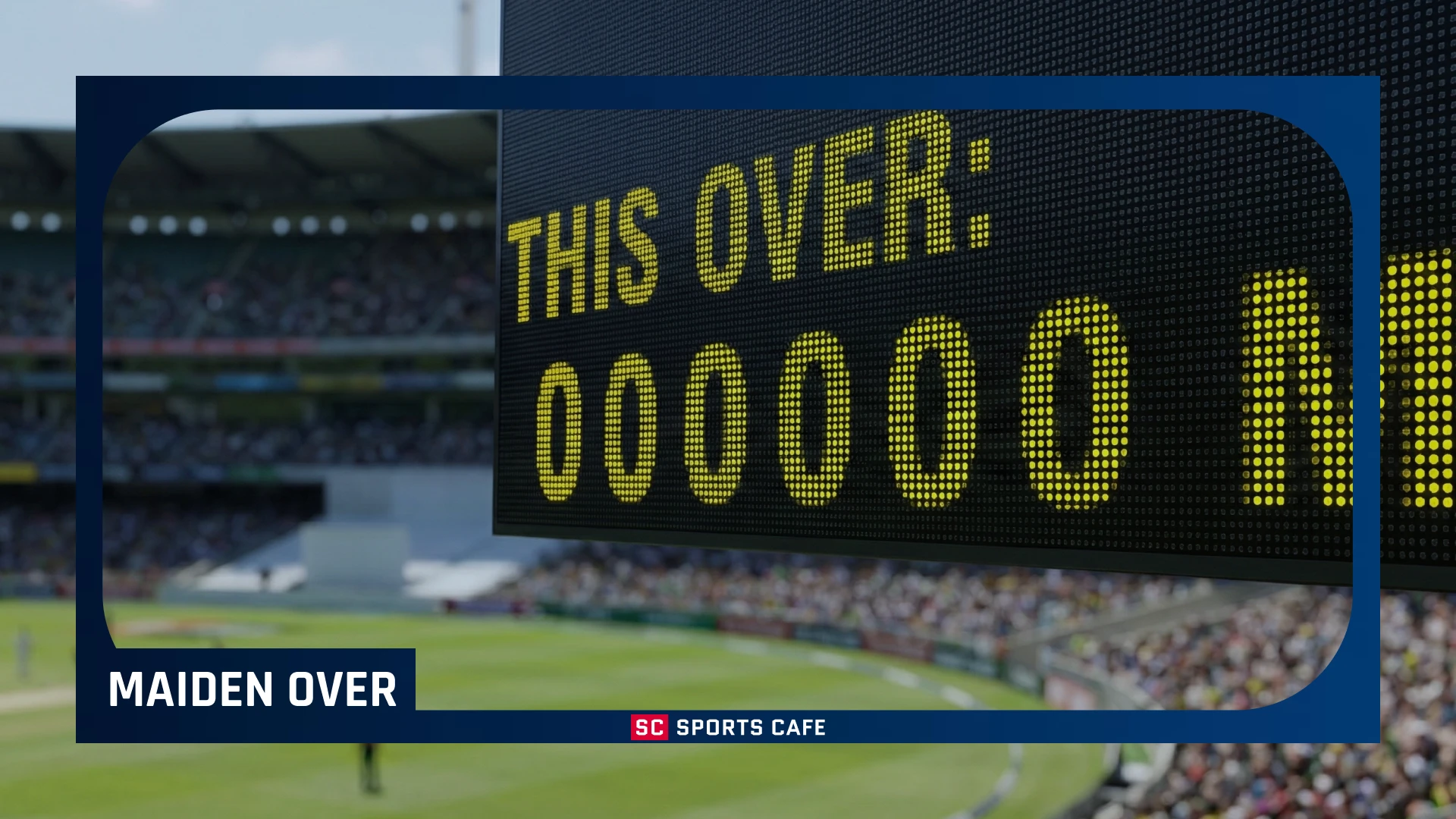
In cricket, a bowler’s impact goes beyond taking wickets. Real control appears when scoring stops completely. A batter may defend every ball, but if the scoreboard stays unchanged, pressure builds fast. That idea sits at the heart of what is maiden over in cricket. It means an over of six legal deliveries where the batting side scores zero runs.
A maiden over shows total command. Each dot ball removes rhythm and forces patience. Even without a wicket, the damage is real. Run rate drops, timing disappears, and batters often feel pushed into risky shots in the overs that follow. In longer matches, repeated maidens slowly drain confidence. In shorter formats, one tight over can swing momentum immediately.
Bowling a maiden depends on discipline. Line, length, and awareness matter more than speed. Field placement also plays a role, since small gaps can undo good deliveries. This guide explains the rules, key exceptions, the role of maidens in T20 cricket, and the famous record set by Bapu Nadkarni.
Maiden Over Meaning: The Rules of the Six Dot Balls
Understanding a maiden over starts with knowing exactly what counts and what does not. The idea sounds basic at first, but a few rule details often confuse new followers of the game. Once those points become clear, the value of a tight over becomes much easier to appreciate.
The Core Definition: Six Dot Balls
The maiden in cricket's meaning rests on one strict condition. A bowler must deliver six legal balls in a single over, and none of those balls can result in runs off the bat. Each delivery produces a dot on the scoreboard, which is why such an over often gets called six dot balls.
In the match scorebook, a maiden over appears with the letter “M” next to the bowler’s figures. That mark highlights control rather than aggression. No matter how defensive the shots look, the over still counts as a success for the bowler as long as the score stays unchanged.
Do Extras Count? Byes vs. Wides
Extras create the most confusion around maiden overs. If runs come through byes or leg byes, the over can remain a maiden. Those runs belong to the team total and do not go against the bowler’s record. The bowler did not concede them directly, so the over keeps its maiden status.
Wide balls and no balls work differently. Any run added through a wide or no ball goes straight onto the bowler’s figures. Once that happens, the over loses its maiden status immediately, even if no runs come off the bat. This rule explains why bowlers place such importance on control and accuracy when chasing a maiden.
What is a Wicket Maiden?
A wicket maiden sits at the very top of bowling achievements. In this type of over, the bowler concedes no runs and also removes at least one batter. The scoreboard stays frozen, and the batting side loses a wicket at the same time. A few moments create more discomfort for a batting lineup.
This kind of over changes the mood instantly. The outgoing batter walks back without scoring, the new batter arrives under pressure, and the fielding side gains confidence. Captains often tighten the field right after, sensing another chance. When a wicket maiden appears during a long spell, it usually marks the point where control turns into dominance.
The Strategic Value: Why Bowlers Aim for Maidens
A maiden over serves a clear purpose beyond personal statistics. Cricket rewards teams that control space and time, and maidens help do both. Even without taking a wicket, a bowler who delivers a tight over slows the game down for the batting side. Runs stop, rhythm breaks, and pressure begins to grow. Over the course of a spell, those quiet moments often lead directly to turning points in the match.
Improving the Economy Rate
From a numbers point of view, a maiden over has a strong impact on a bowler’s economy rate. One over without runs can balance out several expensive deliveries later. In limited overs formats such as ODI and T20, that effect becomes even more visible. Batting sides work with fixed targets and limited time, so a stalled over creates urgency.
After a maiden, batters often feel forced to respond quickly. They try to recover the lost run rate in the next over, which increases risk. Bowlers and captains plan for this reaction, placing attacking fields and tempting batters into difficult shots. A single tight over can therefore influence several overs that follow.
Building Pressure and Forcing Mistakes
Pressure builds quietly in cricket, and maiden overs play a big role in that process. When a batter faces several maidens in a row, frustration starts to creep in. The scoreboard does not move, the crowd grows restless, and the bowler keeps landing the ball in the same difficult area. Even calm batters begin to feel boxed in.
As the dots pile up, many batters try to break free. They attempt aggressive shots against deliveries that deserve respect, often outside their comfort zone. That is usually where errors appear. A mistimed drive, a rushed pull, or a careless push leads to a fall of wicket. Test cricket relies heavily on this method. Bowlers repeat a tight line and length, trust patience, and wait for pressure to do the work rather than chasing wickets too early.
Maiden Overs Across Formats: Test vs. T20
Maiden overs do not carry the same weight in every format. Time, field restrictions, and scoring expectations change how batters approach each over. As a result, the meaning of a maiden shifts depending on the version of the game.
Test Cricket: The War of Attrition
In Test cricket, maiden overs form part of the daily work for disciplined bowlers. Matches last several days, so patience becomes a weapon. Bowlers often attack the off-stump channel for long spells, inviting batters to defend rather than score. Runs may stop for minutes at a time, and that suits the fielding side.
Because of this structure, test cricket records include many maidens. The best bowlers rely on accuracy rather than surprise. They repeat the same line, hold length, and trust that pressure will build on its own. Batters respond with defensive shots, soft hands, and caution. Over time, one mistake becomes enough. Bowlers with strong discipline thrive here, since consistency matters more than speed.
T20 Cricket: Rare Gold Dust
T20 cricket tells a very different story. Scoring expectations rise from the first ball, and batters search for boundaries early. Fielding restrictions in the powerplay make control harder, which turns a maiden over into a rare event. A powerplay maiden often changes the tone of an innings, since it steals momentum when the batting side expects quick runs.
Because the format allows little time for recovery, one tight over can decide a match. Batters feel pressure instantly and often respond with risky shots in the next over. A super over maiden sits even higher on the scale of rarity. With only six balls to score, denying all runs rarely happens. When it does, as in rare cases like Sunil Narine’s spell, it becomes a moment fans remember for years.
Historical Records: The Masters of Dot Balls
Some bowlers built their reputations not through raw speed or dramatic swing, but through control so tight that scoring felt impossible. These players understood that stopping runs for long periods can hurt a batting side as much as taking wickets. Their records still stand as examples of how patience and discipline shape great bowling careers.
Below is a snapshot of bowlers widely respected for their ability to deliver a cricket maiden over again and again across long spells:
Player
Matches
Maiden Overs
Muttiah Muralitharan
495
1,665
Glenn McGrath
376
685
Bapu Nadkarni
41
141
Bapu Nadkarni and the 21 Consecutive Maidens
Bapu Nadkarni produced one of the most unusual bowling feats in history during a Test match against England in 1964. Over the course of one spell, he bowled 21 consecutive maiden overs. That stretch added up to 131 deliveries without a single run. The crowd watched in disbelief as the scoreboard refused to move.
Nadkarni relied on accuracy rather than a sharp turn. He placed the ball on a tight line again and again, inviting defense and blocking scoring angles. Batters stayed at the crease but could not escape the pressure. That spell remains a reference point for restrictive bowling and still sparks debate whenever most maiden over in test cricket records come up.
Glenn McGrath: The Metronome
Glenn McGrath earned his reputation through repetition. He hit the same area on the pitch with near-perfect consistency, especially just outside off stump. Batters knew what was coming, but stopping it felt far harder than expected.
McGrath rarely chased swing or surprise. Instead, he trusted his line and length and waited for mistakes to appear. Maiden overs followed naturally as batters defended without progress. Over long spells, his control drained confidence and forced errors. That method turned him into one of the most effective pace bowlers the game has seen.
Muttiah Muralitharan: The Spin Wizard
Muttiah Muralitharan mastered control through spin rather than pace. His ability to turn the ball sharply, combined with subtle changes in angle and flight, kept batters guessing. Even on flat pitches, scoring against him required courage and precision.
Muralitharan holds the record for the highest number of maiden overs in international cricket across formats. His spells often featured long sequences without runs, followed by sudden breakthroughs. Batters struggled to predict his variations, and patience alone rarely solved the problem. His record shows how a maiden over in cricket can emerge from skill and control rather than speed alone.
Betting on Maiden Overs: A Niche Market
Maiden overs also appear in betting markets, though they attract less attention than wickets or totals. These options focus on control and discipline rather than aggression, which makes them more situational.
To Bowl a Maiden Market
This market asks whether a match or innings will include at least one maiden over. In Test cricket, odds stay lower since maidens occur regularly. In T20 matches, prices rise sharply because constant scoring makes maidens rare, especially during the powerplay.
Player Performance Points
In fantasy cricket and player performance bets, maidens often carry strong bonus value. A bowler who concedes no runs in an over can gain more points than one who takes a wicket, but leaks runs. Accuracy and role within the attack therefore matter greatly when selecting bowlers.
FAQs about Maiden Overs
Does a leg bye ruin a maiden over?
No. Runs taken as leg byes do not count against the bowler, so the over still qualifies as a maiden.
Who has the most maiden overs in Test history?
Muttiah Muralitharan holds the highest total across international formats, while Bapu Nadkarni remains famous for consecutive maiden overs in a single Test.
Is it possible to bowl a maiden in a Super Over?
Yes, although it happens very rarely. A few matches have featured Super Overs where no runs were conceded.
What is a double wicket maiden?
It refers to an over where the bowler concedes no runs and takes two wickets.
0
0
0
0
0
0
Comments
0/1000
Sign up or log in to your account to leave comments and reactions





Comments
Sign up or log in to your account to leave comments and reactions
0 Comments