What is a Googly in Cricket? Meaning, Origin, and Bowling Guide
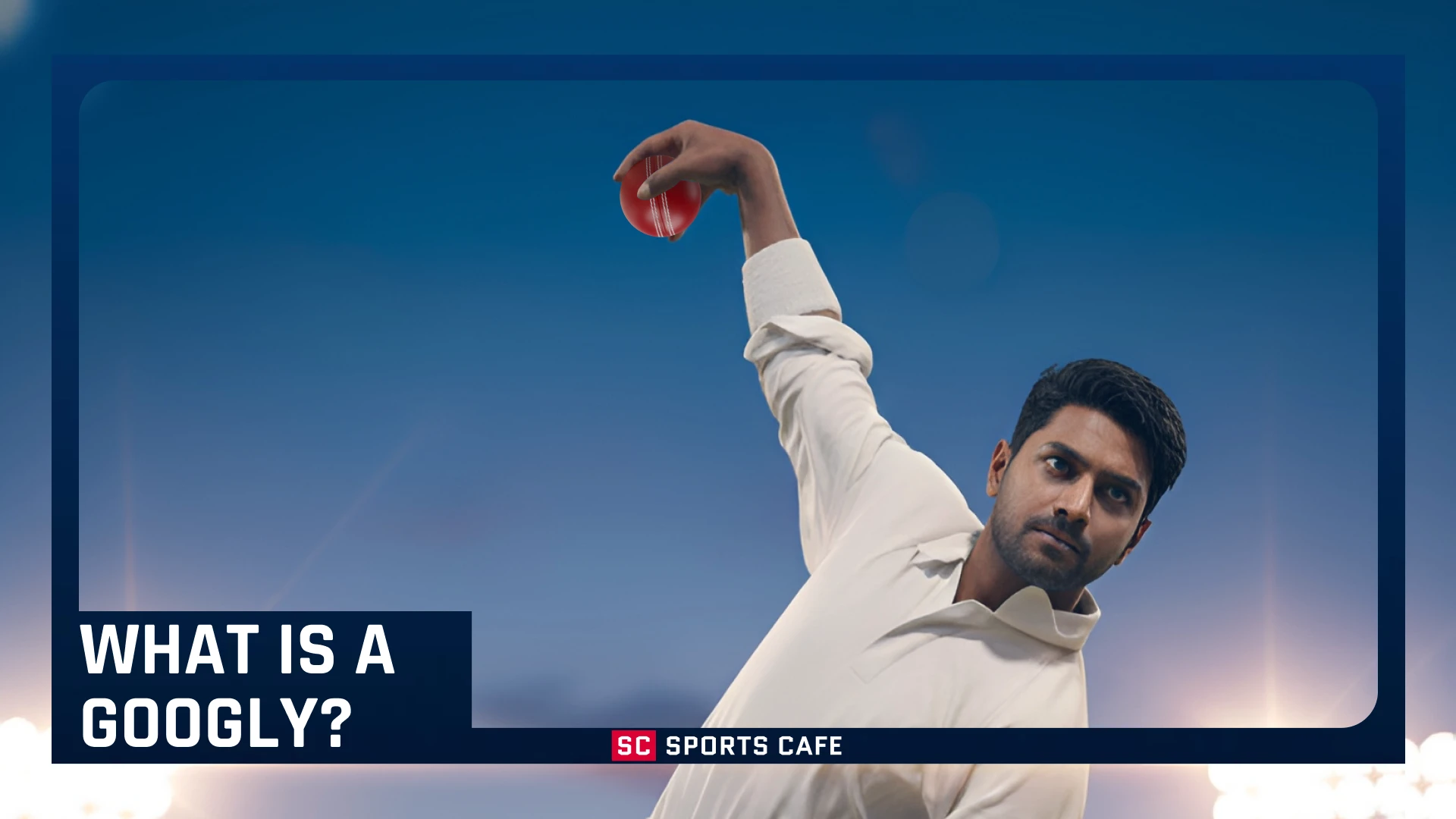
When you ask what is a googly in cricket, the short answer is that it is a special delivery from a right-arm leg spinner that looks like a normal leg break but turns in the opposite direction. To a right-handed batter, a standard leg break moves from leg stump toward off stump, while a googly lands and turns from off toward leg, straight into the body or the stumps. The batter reads the hand and the run-up, expects the ball to move away, and suddenly finds it darting back in.
A googly sits at the heart of deceptive spin bowling, because the whole idea is to trick the batter’s eyes and footwork. The ball leaves the hand with what appears to be a usual leg spin action, and the bowler hides the change in wrist position so the surprise only appears after the pitch. In cricket slang, the delivery also carries two other names: the wrong'un and the bosie. Both nicknames point to the same concept: a ball that behaves in a direction the batter does not expect.
In the pages that follow, the guide explains what is googly in cricket bowling in full detail. You will see how the grip and wrist position work, how the ball spins and dips, why the delivery became such an important part of the game, how Bernard Bosanquet created it, and which legends of spin bowling turned the googly into a match-winning weapon.
Googly Meaning in Cricket: The "Wrong'un" Explained
A googly sits at the tricky end of spin bowling, so the googly meaning in cricket often confuses new fans. Bowlers and commentators call it the "wrong'un" because the ball behaves in the “wrong” direction compared to what the batter expects. The action looks like a standard leg break, yet the ball turns the other way and targets the stumps or pads instead of moving away.
Spin Direction vs. Leg Break
A normal leg break from a right-arm leg spinner to a right-handed batter moves from leg to off. After pitching, the ball drifts across the batter, away from the outside edge of the bat. Footwork usually goes across the crease, with the front foot reaching toward the line of the spinning ball.
A googly ball follows a different script. The bowler uses a leg spin action, but the spin on the ball sends it from off to leg. The ball lands in a similar area, then cuts back in toward the pads or the gap between bat and pad. To the batter, the delivery looks like a leg break during the run-up and at the point of release, so the initial movement of the feet still follows the leg break pattern. The danger appears after the bounce, when the ball hurries in instead of drifting away. In effect, the googly behaves like an off-break, but it comes from a leg spinner’s wrist.
Why Is It Called a Googly?
The exact story behind the word “googly” does not have one agreed origin, and several explanations exist side by side. Some writers link it to “googly eyes” or “goggling eyes”, a reference to the wide-eyed look of a batter who just misreads the ball and watches it crash into the stumps. Others suggest that the term arose as casual dressing-room slang in England and stuck because it sounded odd and playful, just like the delivery itself.
Whatever the first source, “googly” spread through cricket language very quickly in the early twentieth century. The word soon moved beyond the sport as a general term for a trick or surprise, but in cricket it kept a very specific meaning: a ball that fools the batter by turning in the opposite direction to the one expected.
The "Bosie": A Tribute to the Inventor
In Australia and New Zealand, older fans and commentators sometimes use another name for the same delivery: the “bosie”. That nickname comes from Bernard Bosanquet, the English bowler who developed and popularised the googly in the early 1900s.
Bosanquet experimented with new kinds of spin in casual games before transferring the idea into first-class cricket. His delivery turned in sharply from outside off stump, even though his action looked just like a regular leg break. Australian crowds found the new ball so unusual that they tied it to his surname, and the label “bosie” entered local slang. While most of the world now prefers “googly”, the alternative name still appears in historical writing and in some commentary from the southern hemisphere as a small tribute to the original inventor.
How to Bowl a Googly?
A googly depends on control of the wrist, fingers, and release. A leg spinner uses the same run-up and arm path as a regular leg break, so nothing looks unusual to the batter. The secret lies in the small adjustments made at the last moment, which change the direction of spin and send the ball back into the batter's zone instead of drifting away.
The Grip and Wrist Position
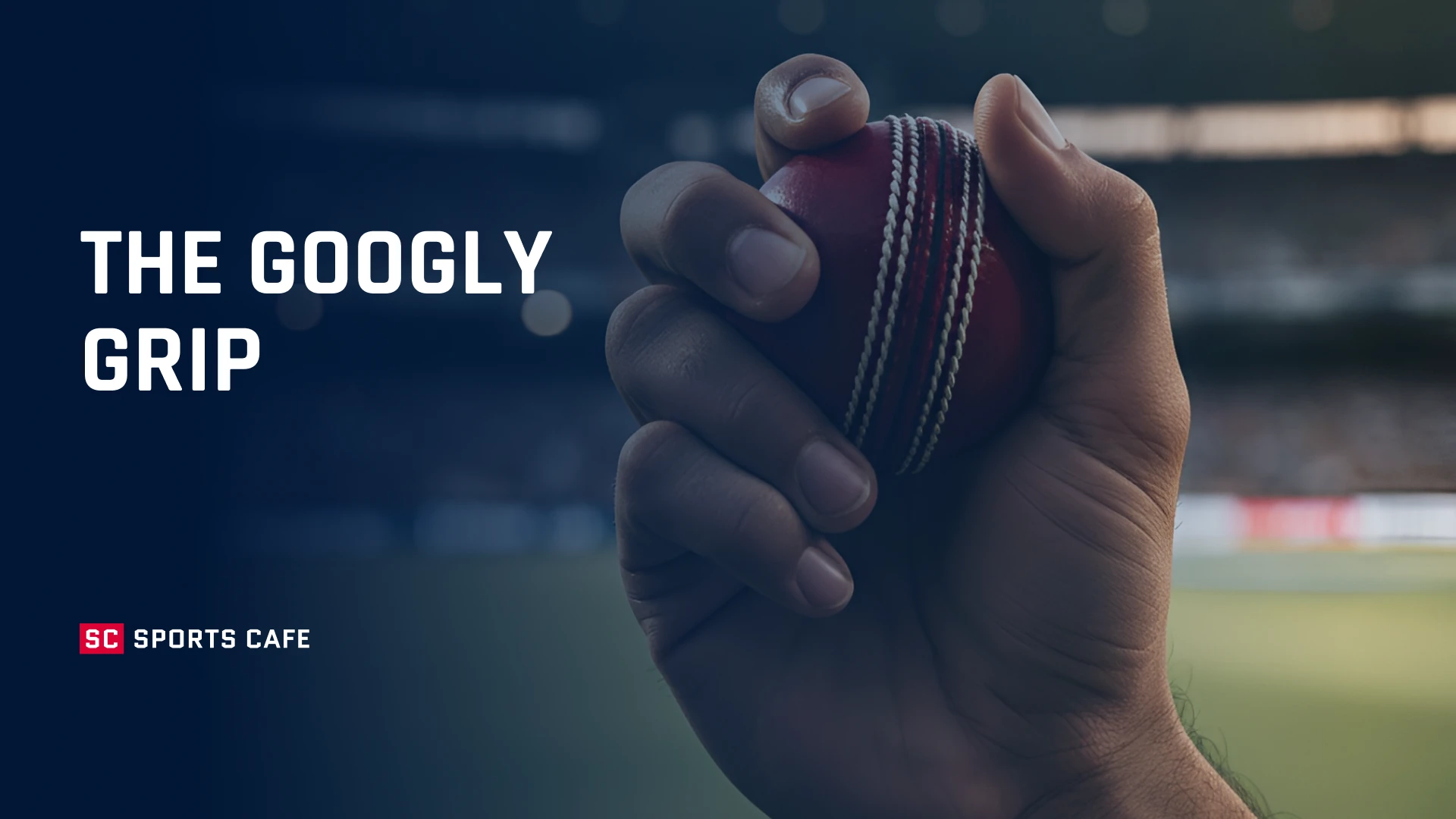
A bowler holds the ball in the same basic grip used for a leg break, with the seam running across the fingers. The difference appears in the wrist. At the moment before release, the bowler turns the wrist so that the back of the hand faces the batter. The wrist bends sharply, and the hand rotates inward. That twist gives the bowler a position that can produce inward spin once the ball lands. The bowler must hide this motion inside a natural action, so the batter has little chance to read it.
The Release Point
The arm rises high, often beside the ear, before the bowler sends the ball forward. The ring finger then works across the surface of the ball to create strong spin. From the bowler’s viewpoint, the ball rotates in a clockwise direction. After pitching, that rotation pushes the ball into the batter from outside off stump. A clean and well-timed release decides if the delivery turns sharply or only a little, so good wrist spinners practise this movement endlessly to keep full control.
Flight and Dip
A googly gains extra danger when it carries a bit of float in the air before dropping late. That dip tempts the batter into a stride toward the ball and widens the space between bat and pad. The delivery then bites on the surface and cuts back in, targeting the stumps or the pads. Leg spinners use small changes in loop and trajectory to disguise the googly, because a flatter ball is easier to read, while a well-flighted one pulls the batter forward and sharpens the angle of turn.
Googly vs Leg Break: Spotting the Difference
A leg spinner relies on disguise. Two deliveries may share the same run-up, arm speed, and release height, yet move in opposite directions after pitching. Many batters struggle against this contrast, so learning to tell them apart becomes a key skill. A clear comparison helps understand how a googly differs from a standard leg break, because the change lies in the hand position and the final turn off the surface.
Feature
Googly
Leg Break
Wrist Position at Release
Back of the hand faces the batter
Palm faces the batter
Spin Direction
Into the right-handed batter
Away from the right-handed batter
Movement After Pitching
Turns from off to leg
Turns from leg to off
Reading the Bowler’s Hand
A batter often has only a split second to judge the delivery. The most reliable clue hides in the release. When the bowler sends the ball forward, and the back of the hand appears, the delivery usually behaves like a googly. When the palm faces inward, and the bowler keeps a more open wrist, the ball tends to follow the classic leg-break path. Many top batters watch the wrist instead of the seam because it gives information before the ball lands.
The Element of Surprise
A googly brings real value when the batter does not expect it. Leg spinners mix it into longer spells to unsettle timing and footwork. Repeating it too often removes the shock factor and hands control back to the batter, so the best wrist spinners hide the googly inside a steady rhythm of leg breaks. The delivery works as a sudden change of direction rather than a constant threat, and its strength lies in that moment when the batter reads the wrong turn and leaves a gap for the ball to strike.
The History of the Googly: Bernard Bosanquet's Invention
Bernard Bosanquet created the googly at the end of the 19th century after experimenting with spin in a small game called Twisti-Twosti, where a tennis ball curved sharply when flicked from the side. He tried to copy that action with a cricket ball and found a way to make a delivery look like a leg break while turning the opposite way.
He introduced it in first-class cricket in 1900 during a match for Middlesex against Leicestershire, where several batters misread the ball and lost their wickets. Reports from that season showed how unusual the turn looked, since Bosanquet kept the same general action as a leg spinner.
The googly immediately changed wrist spin. Before this moment, leg spin was often used as a defensive style, but Bosanquet’s delivery turned it into a genuine attacking weapon. His idea became the base for modern wrist-spin tactics, and every leg spinner who bowls a googly today follows the path he set more than a century ago.
Famous Masters of the Googly
Several leg-spinners across different eras turned the googly into a true wicket-taking weapon. Their styles were unique, and each of them used the wrong’un with such precision that batters often reacted a moment too late. The names below stand at the heart of this craft.
Shane Warne: The King of Spin
Shane Warne did not bowl the googly often, but he used it at moments when a batter fully expected his huge leg break. His normal delivery drifted and spun away, so the inward turn of the googly caught even top players off guard. He kept the wrist hidden until release, and that late reveal created many dismissals.
Abdul Qadir: The Magician
Abdul Qadir revived wrist spin during the 1970s and 1980s. He bowled two distinct versions of the googly and shifted pace, flight, and release angle with great control. Batters rarely picked his variations cleanly, and many called his wrong’un the hardest delivery to read in that era. Qadir viewed the googly as a strike ball, not just a trick, and his record reflected that mindset.
Anil Kumble: The Tall Spinner
Anil Kumble approached leg spin in a more direct way. He bowled quicker than most wrist spinners, and his height produced a steep bounce that troubled batters. His googly came at high speed with only a small change in action, so the inward movement after pitching often trapped players lbw or shattered the stumps. It was a subtle but highly effective option in his armoury.
Rashid Khan: The Modern Master
Rashid Khan represents the modern face of the googly, especially in T20 cricket. His arm moves so fast that batters rarely spot the position of the wrist. He keeps the ball deep inside the palm and generates spin mainly through the fingers, which makes the googly seem identical to his stock delivery. The sharp inward movement after the bounce creates pressure instantly, turning the wrong’un into one of the most dangerous balls in short formats.
FAQs about Googly in Cricket
What is a googly in cricket bowling?
A googly is a delivery bowled by a leg spinner that turns in the opposite direction of the usual leg break. It comes back into a right-handed batter instead of moving away, and the deception lies in the bowler keeping the action identical to the stock ball.
Who invented the googly ball?
The googly is credited to Bernard Bosanquet, an English cricketer from the early 1900s. His experiments with different kinds of spin led to a delivery that surprised batters and reshaped the way leg spin worked.
What is the difference between a googly and a doosra?
A googly belongs to a leg spinner and relies on wrist spin, while a doosra belongs to an off spinner and relies on finger spin. Both deliveries turn in an unexpected direction, but they come from two completely different bowling actions.
Why is it called a wrong'un?
The term “wrong’un” reflects the idea that the ball behaves in a way the batter does not expect. The delivery moves in the “wrong” direction compared to the bowler’s usual leg break, which is why the nickname became part of cricket language.
0
0
0
0
0
0
Comments
0/1000
Sign up or log in to your account to leave comments and reactions




Comments
Sign up or log in to your account to leave comments and reactions
0 Comments