What is the Impact Player Rule in IPL? Meaning and Rules
The Indian Premier League changed a lot once tactical substitutions entered the picture. Before 2023, every team walked into a match with a fixed eleven, and coaches could only sit and watch once the toss and team sheet went in. With the new Impact Player rule, captains gained a twelfth active option who can step in and influence the game with bat or ball, not just carry drinks or field at the boundary.
The rule was introduced by the BCCI for the 2023 season to add more tactics to T20 cricket and to keep games balanced after the toss. One side can now strengthen the batting unit on flat pitches or add an extra specialist bowler when conditions suit seam or spin. An Impact Player enters the match as an official substitute and can bat in the order and deliver a full quota of overs, while the replaced player takes no further part.
For fans and bettors, the rule changes how a match flows. A side that looks short on bowling at the start can suddenly bring in a fresh seamer for the second innings, while a team that chases a high target can inject a power-hitter at the perfect moment. In this guide, you will see how the rule works step by step, how overseas limits affect team selection, how captains use it for strategy, and why it now plays a role in live betting and fantasy contests.
Impact Player Meaning: Definition and Purpose
An Impact Player is a nominated substitute who can enter the match and fully participate as a batter or bowler, depending on the situation. The rule gives each side tactical freedom during a T20 game, which was not possible under earlier conditions where the 12th player could only field. A captain can replace any member of the starting XI, and once the substitution is made, the removed player cannot return in any role.
The rule aims to reduce the influence of the toss and allow smarter planning. A team that starts with an extra batter can switch to a specialist bowler for defending a total, while a chasing side can add another batter when conditions are in their favor. As a result, coaches and captains think about every phase more deeply, and squad depth plays a bigger role across the league.
How the Impact Player Rule Works: Step-by-Step
Impact Player is not just a spare fielder; it behaves like a full tactical substitution with its own small set of rules. A team that understands the exact procedure gains a real edge, because timing and choice of replacement can swing an innings very quickly. When fans ask what is impact player rule in IPL T20, they usually want to know who can come in, when it can happen, and what that twelfth cricketer can actually do once on the field.
Nomination and Team Sheet
Before the first ball, each captain hands the officials a team sheet with the starting XI and a list of five substitutes. Those five names form the Impact Player pool for that match. Only one of them can enter the game as an Impact Player, so the coaching staff usually includes a mix of big hitters and specialist bowlers. Once the list is in, no extra names can be added, so teams must think through both batting and bowling scenarios in advance.
When Can a Substitution Be Made?
A captain cannot send the Impact Player on at any random second. The rules allow the change before the start of an innings, at the end of an over, after a wicket falls, or when a batter retires hurt or walks off out. That structure keeps the game orderly and still leaves enough windows to react to momentum swings. A smart side waits for a clear tactical signal, such as early wickets or a strong platform, then uses the Impact Player to double down on that situation.
The Umpire Signal
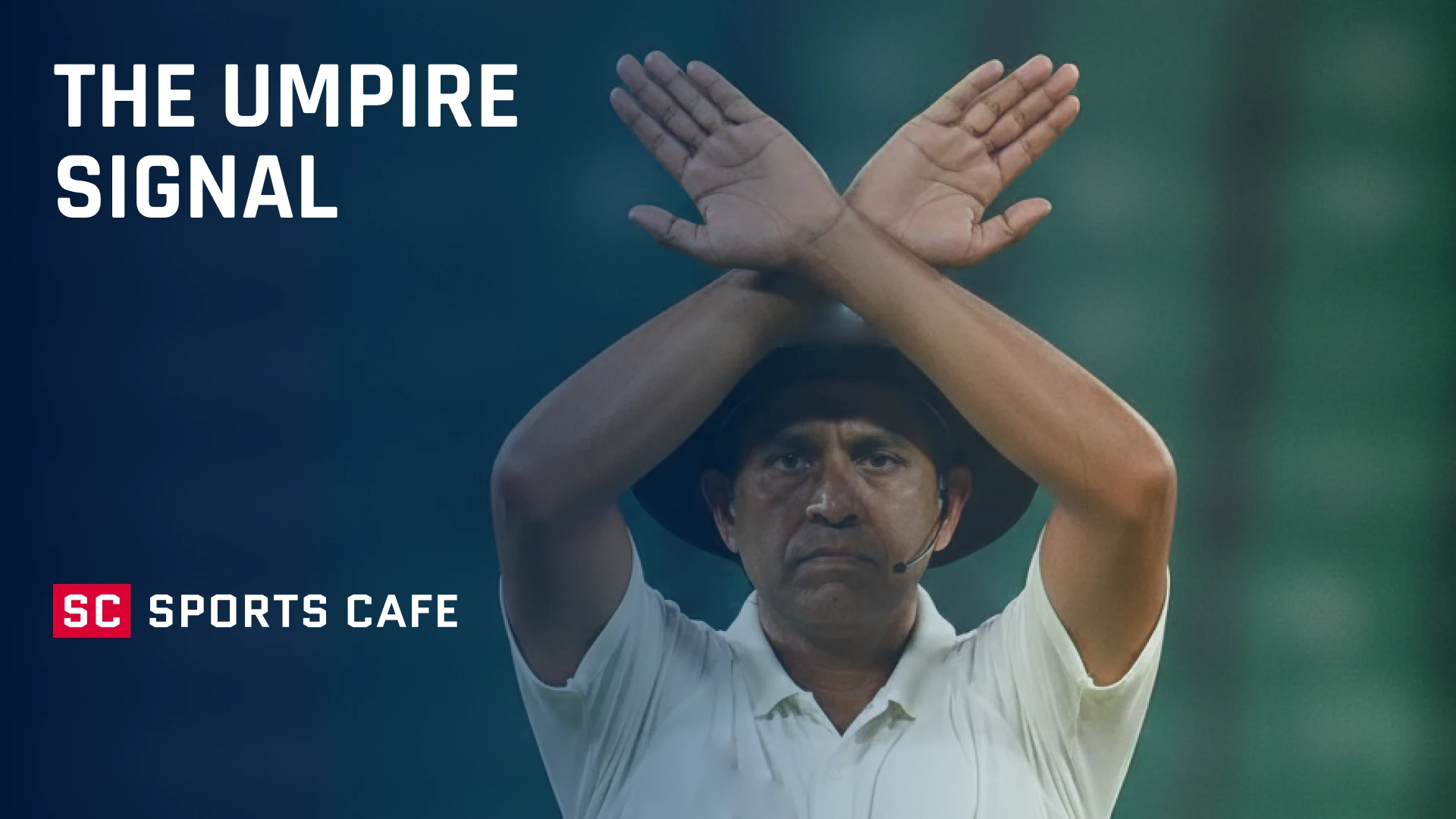
Everyone in the ground needs to see that the special substitution has taken place. When an Impact Player enters, the on-field umpire crosses both forearms above the head to form an "X". That signal confirms that one of the five nominated substitutes has officially replaced a player from the XI. From that moment, scorers treat the newcomer like a full member of the side, and the replaced cricketer drops out of the game completely.
Batting and Bowling Quotas
Impact Player rules stay generous on workload. The substitute can bat in any position that fits the innings situation, as long as the team has not already used ten batters. With the ball, the Impact Player can bowl a full four-over quota in a T20, even if the outgoing player already delivered some overs. In practice, that means a team can squeeze extra overs from its preferred style, such as more spin on a dry track or more pace on a green surface, while still fielding a long batting line-up.
Crucial Restrictions: The Overseas Player Limit
The overseas limit often confuses viewers, but it sits at the center of the entire rule. A team cannot use the substitution freely when the starting XI already includes the maximum number of international players. The restriction protects the balance between local talent and foreign signings and keeps every squad from using six or seven overseas stars in one match.
The "4 Overseas Players" Cap
IPL playing rules allow only four overseas players in the starting XI. Once a team lists all four, the impact substitution can only introduce an Indian player. A foreign player cannot replace another foreign player in this case, even if one leaves the field early. Captains need to plan before the toss; otherwise, the team loses tactical freedom during a close match.
Exceptions for Fewer Overseas Players
A different situation appears when a team begins with three or fewer overseas players. The substitution can then involve an overseas player if the captain believes the match situation calls for it. Teams sometimes use this route on spin-friendly pitches or when a foreign batter suits a late chase better than a domestic option. A quick comparison helps illustrate the logic:
Starting XI overseas count
Who can enter as an Impact Player
4 overseas
Only an Indian player
3 overseas
Indian or overseas
2 overseas
Indian or overseas
1 overseas
Indian or overseas
Captains often leave one overseas slot open to gain flexibility later in the match, especially if conditions or team balance change after the first innings.
Origin of the Rule: From the Syed Mushtaq Ali Trophy to the IPL
The impact substitution idea did not arrive directly in the Indian Premier League. The BCCI first experimented with it during the Syed Mushtaq Ali Trophy, which is India’s domestic T20 competition. The aim was to test how flexible squads could influence short-format matches and reduce the effect of a single fixed lineup.
Domestic teams used the system for a full season. Coaches noticed that tactical substitutions helped balance matches, especially when conditions changed between innings. After strong feedback from players, coaches, and match officials, the BCCI decided the concept was ready for the biggest stage. The IPL adopted the rule in 2023 and treated it as a major tactical upgrade for T20 cricket.
Strategic Advantages of the Impact Player
The rule changed how teams build plans for each innings. Squads now approach a match with more flexibility because they can react to game flow instead of locking into one lineup at the toss.
Batting Depth vs. Bowling Options
Teams that bat first like to load the top order with one more batter than usual. After setting a big total, the batter often leaves the field, and a specialist bowler replaces him for the second innings. This gives better control during the chase and creates real batting depth without weakening the attack. Many captains trust this pattern in tight T20 matches because it keeps both innings strong.
Negating the Toss Factor
Before the rule arrived, the toss carried too much influence. A captain who lost the toss had fewer tools to control the match. Under the new conditions, a lineup can be declared after seeing if the side bats first or second. Team composition now adapts to match demand instead of staying frozen from the start, and that makes tactical substitution more intelligent in close contests.
Famous Examples of Impact Players in IPL
Real matches helped everyone understand how coaches planned tactical substitutions. Certain innings and bowling spells clearly showed how the new rule could swing momentum without changing the balance of the starting XI.
Tushar Deshpande: The First Ever Impact Player
Before discussing famous tactical moments, it is important to recall who entered the record books first. In the opening match of the 2023 season between the Gujarat Titans and the Chennai Super Kings, the league used the rule for the very first time.
Chennai Super Kings started with Ambati Rayudu in their initial eleven and later substituted him with Tushar Deshpande once they moved into the fielding phase. That change turned Deshpande into the first official impact player in league history. He bowled at key stages of the defence and helped CSK adjust their attack without exhausting a batter from the top order.
During the same night, the Gujarat Titans also made use of the regulation. Kane Williamson injured his knee while attempting a boundary catch, and the team brought in Sai Sudharsan as their impact player for a run chase. Sudharsan steadied the innings and contributed valuable runs, giving the new rule an immediate and practical relevance.
Tactical Masterclasses
Here is a short list of real, strategic uses:
Chennai Super Kings often brought in Tushar Deshpande as an impact bowler during first-innings fielding phases, especially when defending moderate totals. He provided late breakthroughs and created extra bowling depth without touching the batting order.
Rajasthan Royals used Dhruv Jurel as a specialist batter in run chases. Jurel entered late in the innings as an impact player and produced finishing roles with clean hitting, including multiple tight second-innings chases across the 2023 season.
The Mumbai Indians used Nehal Wadhera as an impact batter in several matches. Wadhera came in as a substitute for a bowler and later struck meaningful runs during the chase, especially against Royal Challengers Bangalore, when he guided the innings with controlled stroke play.
Impact on Cricket Betting and Fantasy
Many fans now follow substitutions closely because they influence momentum, team balance, and tactical choices during both innings. The rule changed how bettors and fantasy players read a match, since the XI is no longer fixed. A reader who wants clarity on what an impact player in cricket can now see that the rule reshapes decisions even after the toss.
Live Betting Adjustments
Live bettors track whether a team still has an unused substitute, because it affects expected totals and late-innings pressure. When a chasing side brings in a fresh batter, market prices for a run chase often shift quickly. Fans who want to understand what an impact player is in IPL cricket should treat every unused substitute as a variable that can reshape odds during overs.
Fantasy Team Selection
Fantasy apps now list wider pools of names, and a manager needs to guess which player could enter as a substitute to gain full scoring value. Picking someone who might enter during a turning point often pays off more than a static bench pick. Users who track matchups, toss patterns, and likely substitutions gain an edge. A tactical substitute can bat or bowl fully, which means fantasy returns rise sharply when timing and selection align.
FAQs about the Impact Player Rule in IPL
What is the meaning of an impact player in IPL?
It is a twelfth player who can replace anyone from the original playing XI and can take a full role in the match. Once introduced, the substitute can bat or bowl exactly like any other main squad member.
Can an overseas player be an impact player?
Yes, but only if the starting XI has three or fewer overseas players. If a team begins with four overseas cricketers, the impact option must be an Indian player.
Can the replaced player come back?
No. Once a player leaves the field as part of the substitution, he cannot return for batting, bowling, or fielding.
When was the impact player rule introduced?
The regulation entered the Indian Premier League from the 2023 season, after a full-season trial in the Syed Mushtaq Ali Trophy.
Does the impact player have to bowl four overs?
No fixed quota exists. The captain can use him for fewer overs, but he has the legal right to complete a full four-over spell if required.
0
0
0
0
0
0
Comments
0/1000
Sign up or log in to your account to leave comments and reactions




Comments
Sign up or log in to your account to leave comments and reactions
0 Comments