Tea Break in Test Cricket: Why the Game Stops for 20 Minutes
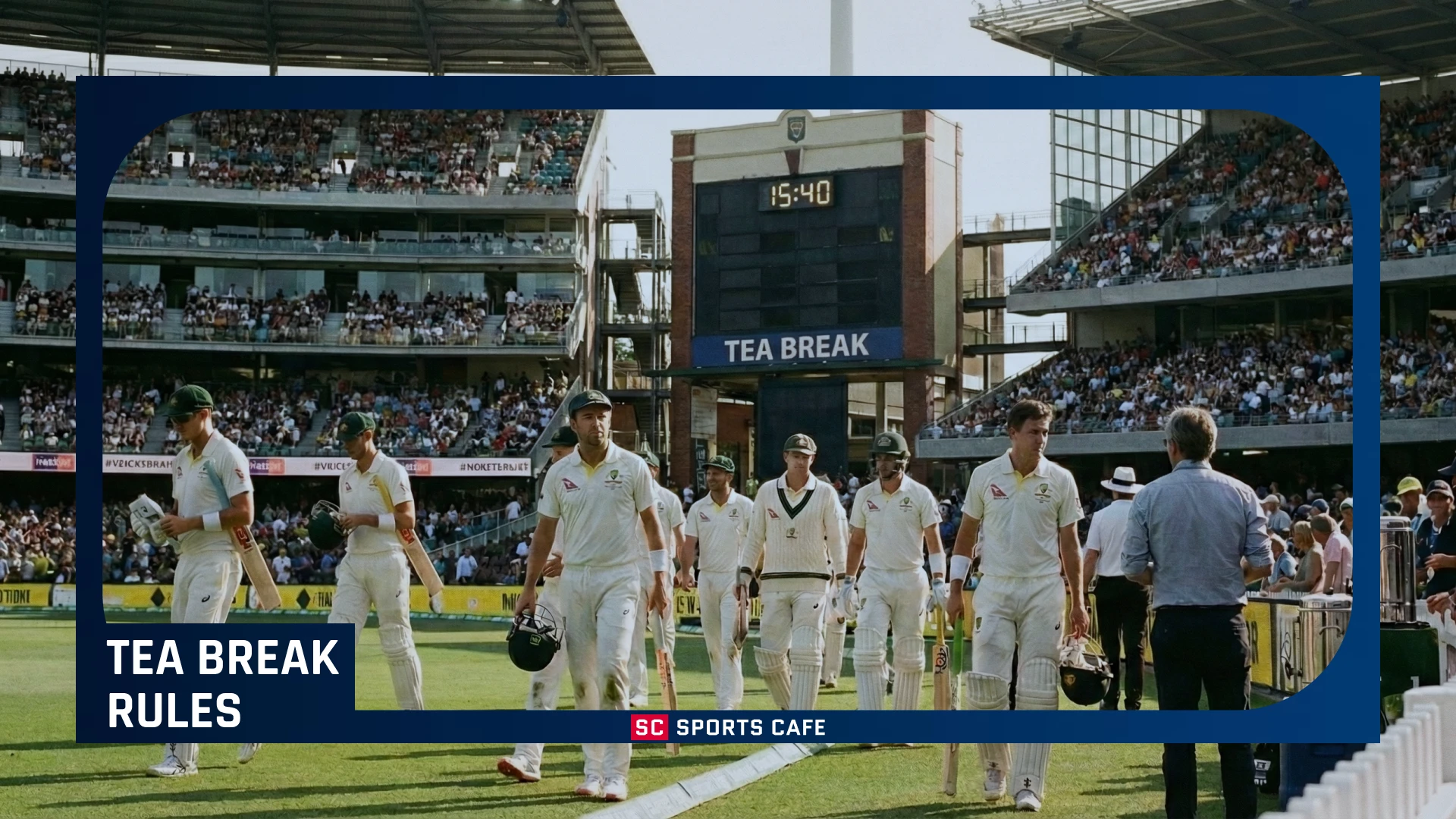
Cricket stands apart from other sports due to one detail that often surprises new viewers. Test matches include an official pause for tea, written into the Laws of Cricket and respected across the cricket world. No football, basketball, or tennis match stops for a hot drink, but cricket keeps this pause as a living link to its past. The custom reflects a strong British tradition that shaped the sport during the 19th century and still defines the test match rhythm today.
Many fans ask how long is tea break in test cricket, and the answer stays clear and unchanged. The interval lasts 20 minutes under standard conditions. Umpires halt play near the end of the afternoon session, players leave the field, and the match resumes with the evening session after the break. The pause gives space for rest, hydration, and quiet talks inside the dressing room. Teams use the interval for refreshment break routines and short tactical reviews, especially during tight phases of a long day.
The tea interval also marks a clean division between the afternoon session and the final session before stumps. Conditions often shift during that period, light softens, bowlers gain movement, and batters face fresh challenges. Rules of cricket regulate the timing with precision, while special clauses cover rain delays, lost overs, or sudden collapses of wickets. Each of those details appears later in this guide, along with examples that explain how flexible the tea break can become during unusual match situations.
Standard Tea Break Duration and Timing
Official regulations define the tea interval with accuracy. Match officials follow fixed procedures, while broadcasters and teams rely on predictable timing for planning.
The 20-Minute Standard
The tea break duration in test cricket remains fixed at 20 minutes according to MCC Laws. Time counts from the moment umpires remove the bails at the end of the session until the scheduled restart. Players return to the field at the exact minute stated by the officials, and any delay can lead to warnings or penalties. No part of that interval adds to playing time later in the day, except under rare adjustments explained in later sections.
Typical Daily Schedule
A Test match day follows a traditional pattern that helps viewers understand when tea appears. Lunch ends the morning phase, then teams compete through the afternoon until tea. Under normal conditions, the tea interval begins roughly two hours after lunch, close to 15:40 local time. Minor changes depend on start times, weather, or over rates.
Below appears a sample schedule for a standard day without interruptions:
Session
Approximate Time
Morning Session
11:00 – 13:00
Lunch Break
13:00 – 13:40
Afternoon Session
13:40 – 15:40
Tea Break
15:40 – 16:00
Evening Session
16:00 – 18:00
Stumps
18:00
Fans often ask what is the time of tea break in test cricket, and the table answers that question in practical terms. Officials may adjust the clock slightly to recover lost overs, but the 20 minute pause stays protected under the Laws.
Rules for Changing Tea Time: Exceptions and Adjustments
Cricket rules allow controlled flexibility when match conditions demand it. Tea does not always arrive at the exact scheduled minute, and those changes often carry tactical weight.
The "9 Wickets Down" Rule
One of the most discussed clauses applies when nine wickets fall close to the planned tea interval. If the batting side loses its ninth wicket within a short window before tea, umpires may extend play by up to 30 minutes. That extension aims to give bowlers a fair chance to finish the innings without interruption.
Teams know this rule well and sometimes push harder near tea with attacking fields and aggressive bowling. Batters also adjust behavior, aware that survival until the break can protect the final wicket. The decision rests fully with the umpires, who balance fairness, light conditions, and player safety.
Weather Interruptions and Rain
Rain often reshapes the daily flow of a Test match. When showers arrive near the planned tea time, officials may declare an early tea. That choice reduces idle time later and protects the total number of overs scheduled for the day. The method helps minimize lost overs while keeping players off a wet surface.
The break still counts as tea, even if it begins earlier than planned. Once weather clears, play resumes without another tea interval. Many spectators ask how much time for tea break in test cricket during rain affected days, and the answer stays unchanged at 20 minutes unless umpires announce a rare variation.
Tea Before Lunch? The Guwahati Incident
Cricket history includes rare moments when logic bends under extreme conditions. One unusual case came during the Guwahati Test, where logistical delays and weather issues forced officials to reorder the day. Tea appeared before lunch, confusing players and viewers alike.
Such cases remain exceptions rather than examples to follow. MCC laws permit reordering only when circumstances leave no alternative. Matches return to normal structure as soon as practical conditions return.
Tea Break in Day-Night Test Matches
Day Night Tests introduce new questions about intervals due to artificial lighting and altered start times. Many fans find those schedules harder to read.
From Tea to Dinner Break
In matches with a pink ball, sessions rotate around sunset rather than late afternoon. The primary long interval often occurs near twilight. Some host nations label that pause as tea, while others refer to it as dinner or supper. The naming depends on local custom rather than global rule changes.
The key point remains simple. One major interval lasts 40 minutes, while the shorter break lasts 20 minutes. Officials still protect playing time, and teams follow identical preparation routines. Even in these matches, tea break time in test cricket retains symbolic value, even if players eat dinner instead of biscuits and tea.
Strategic Importance of the Tea Interval
Tea affects far more than hunger or thirst. Teams view it as a mental checkpoint inside a long day.
Momentum Shift and Recovery
Long spells often define Test cricket, and tea can disrupt or revive momentum. Batters who dominated the afternoon sometimes lose rhythm after the pause. Bowlers return refreshed, lines tighten, and fielders sharpen focus. Coaches value the break for hydration and light stretching that supports player recovery before the final session.
Captains also assess pitch behavior at tea. Changes in light, wind, or surface cracks guide bowling plans for the evening overs.
Dressing Room Tactics
Inside the dressing room, short but focused talks take place. Leaders discuss declarations, bowling rotations, and field placements. Analysts share quick data from tablets, while senior players pass on situational advice. Decisions taken during those 20 minutes often shape the next two hours of play.
Batting sides may plan faster scoring or wicket protection, depending on the match state. Bowling sides often adjust lengths and angles, especially under fading light. The tea interval serves as a strategic reset rather than a casual pause.
History and Traditions: Why Tea?
Tea remains one of cricket’s strongest cultural markers, connecting modern stadiums with village grounds of the past.
Origins of the Tradition
During the 19th century, cricket thrived among British elites who valued tea as a daily ritual. Matches often lasted several days, and social breaks held equal importance with competition. Organizers built tea into the schedule as a mark of hospitality and class.
As the sport spread across the empire, the tradition traveled with it. Australia, India, England, and other nations kept the interval even as playing styles evolved. Tea survived professionalism, commercialization, and broadcast pressure due to its symbolic role.
What Players Actually Eat and Drink
Modern diets look very different from old stereotypes. Nutrition teams prepare fruit, protein snacks, electrolyte drinks, and light carbohydrates. Tea still appears in many dressing rooms, but few rely on it alone. The cup remains symbolic rather than essential.
Despite changes in science and training, the pause still feels familiar to fans. It signals evening cricket, shifting conditions, and decisive passages of play.
FAQs about Tea Break Time in Test Cricket
How many minutes is the tea break in Test cricket?
The standard length equals 20 minutes. That answer also satisfies questions such as how many minutes tea break in test cricket, which often appear among new viewers.
Is there a tea break in ODIs or T20s?
Limited overs formats do not include tea. Only a short innings interval appears between batting sides.
Can the tea break be delayed?
Yes. Umpires may delay tea if nine wickets fall near the scheduled time or if weather recovery plans require adjustment.
What happens if it rains during tea?
The interval still counts. Play resumes immediately after tea if conditions allow, without an extra pause.
0
0
0
0
0
0
Comments
0/1000
Sign up or log in to your account to leave comments and reactions





Comments
Sign up or log in to your account to leave comments and reactions
0 Comments