Using a VPN for Sports Betting: Safety, Access, and Risk Guide
Many bettors face sudden access problems when they travel, relocate, or cross licensing borders. A familiar sportsbook may refuse login, hide markets, or block deposits without a clear explanation. Geo-restrictions exist because betting platforms operate under country-specific licenses, each tied to local regulators and tax rules. Sportsbooks must control where bets originate, even when users already hold verified accounts. From a purely technical perspective, do vpn work for sports betting receives a positive answer, since VPN software can change how a platform detects user location. That technical capability alone does not guarantee safe or successful betting activity.
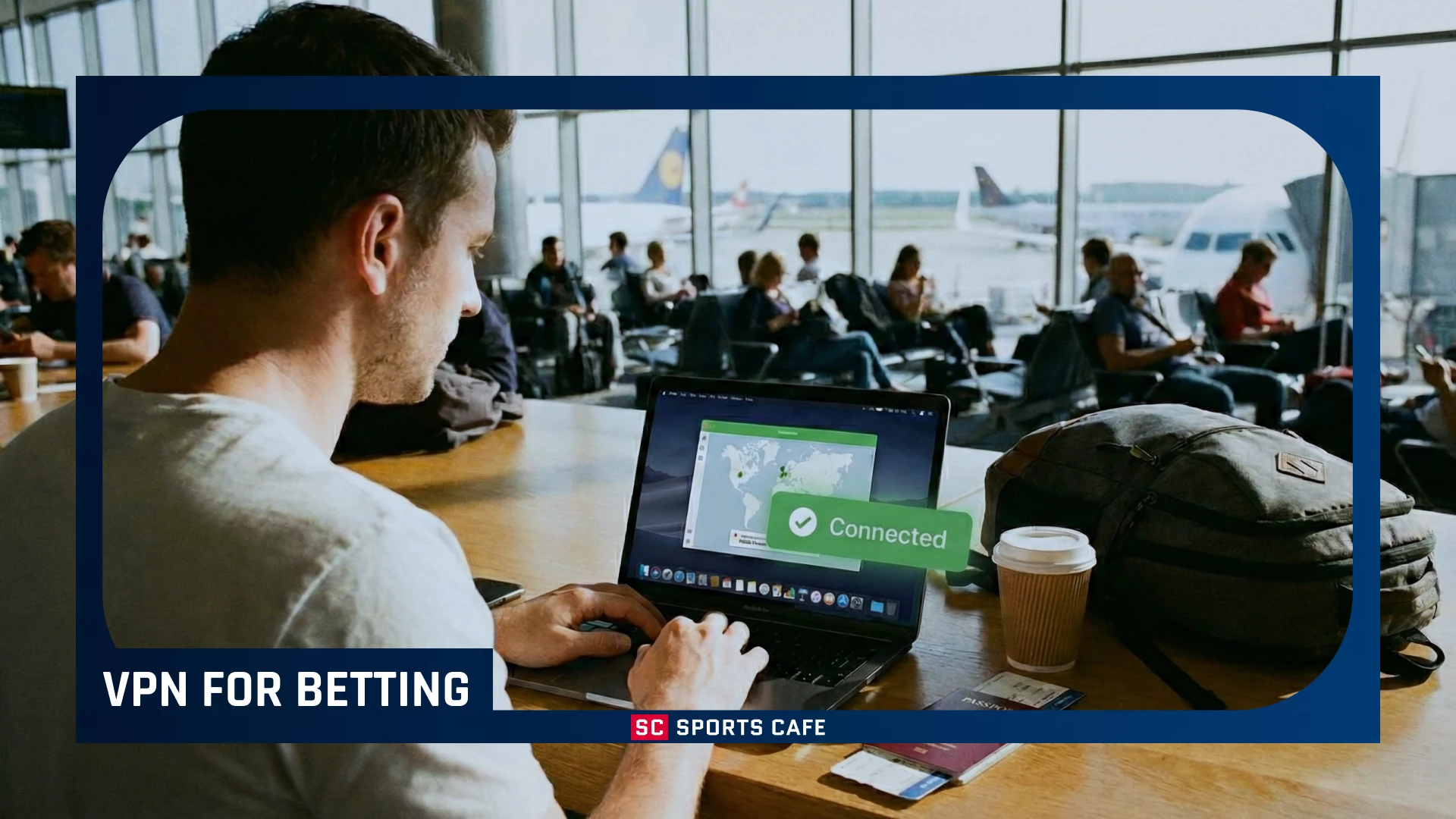
A Virtual Private Network hides a real IP address and replaces it with one from a remote server. Sportsbooks then register the server location rather than the bettor’s physical position. That mechanism explains why many users explore a vpn for sports betting, especially during international travel or extended stays abroad. Risks remain significant, particularly during withdrawals and identity checks. The guide below explains access mechanics, security features such as a kill switch, verification pitfalls, and reasons why accounts often face suspension after profitable sessions.
Can You Use a VPN for Betting? How It Works
VPN usage in betting relies on internet routing principles combined with sportsbook security systems. Understanding both sides helps reduce unpleasant surprises.
Bypassing Geo-Restrictions
Sportsbooks determine user location primarily through IP addresses assigned by internet service providers. Each IP corresponds to a country and sometimes a city. When a platform lacks authorization for a specific region, automatic restrictions appear. VPN software reroutes traffic through a server located in a permitted country, so the sportsbook reads that server location instead of the bettor’s real one.
This approach benefits travelers the most. A user registered in one country may lose access when visiting another, even with valid documents and payment methods. VPN routing restores access tied to the original betting jurisdiction. From a technical standpoint, can a vpn be used for sports betting becomes clear through this routing process alone. Practical success still depends on sportsbook monitoring tools, account history, and verification policies.
Some sportsbooks tolerate temporary access changes for travel, while others enforce strict location consistency. The difference often appears only during account reviews.
Can I use vpn for sports betting has a technical yes, but a practical risk. A VPN can hide your location and restore access, especially during travel, but most sportsbooks forbid it in their rules. Detection may lead to account suspension or withdrawal problems, particularly during verification.
Privacy and Anonymity
VPN connections also strengthen online privacy. Encrypted traffic protects sensitive data on unsecured networks such as hotel, café, or airport Wi-Fi. Most premium services rely on AES-256 encryption, a standard used by banks and government institutions.
Privacy protection extends beyond sportsbooks. Internet providers, network administrators, and third parties lose visibility into browsing habits and betting activity. Reduced digital footprint limits profiling and traffic inspection. That protection matters for discretion, though it does not override sportsbook compliance systems or verification checks tied to identity and residence.
The Major Risks: Account Suspension and Legal Issues
Using a VPN can help with access, but it also puts your account under a microscope. Sportsbooks take masked connections seriously and rarely give users the benefit of the doubt once something looks unusual.
Terms of Service Violations
Most bookmakers clearly forbid VPNs in their rules. They do that to protect licenses and block traffic from restricted countries. Security systems look for things like data center IPs or sudden location changes. Once detected, accounts often get locked right away. Balances may freeze, bets stay unsettled, and support replies usually point only to rule violations. Explaining your situation rarely helps, since decisions rely on technical data, not intent.
The KYC and Withdrawal Trap
Problems usually appear during withdrawals. Deposits go through easily, but payouts trigger identity checks. At that point, bookmakers compare documents with login history. If your address says one country and your IP history shows another, issues start. Even winning bets can get canceled. Reviews can take weeks, and outcomes often favor the platform, not the bettor.
Legal Implications in Restricted Jurisdictions
Some countries ban online betting completely. Using a VPN to get around those limits may break local law, not just site rules. Consequences depend on the country and can go beyond account bans. VPNs do not protect you once payments and verified identities enter the picture.
Essential VPN Features for Safe Betting
Risk reduction depends on specific technical features rather than basic IP replacement. Sportsbooks rely on advanced detection systems, so VPN configuration matters as much as server location. The features below help reduce accidental exposure, suspicious traffic patterns, and verification conflicts. Each function serves a clear role and supports account stability during betting activity.
VPN Feature
What It Does
Why It Matters for Betting
Kill Switch
Cuts internet access if VPN disconnects
Prevents real IP exposure during short connection drops
DNS Leak Protection
Routes domain requests through the VPN tunnel
Stops location data from leaking to the local provider
Obfuscated Servers
Disguises VPN traffic as regular HTTPS
Helps bypass sportsbook firewalls and filters
Dedicated or Residential IP
Assigns an IP that resembles a home internet
Lowers the risk of an IP address ban
No Logs Policy
Stores no activity or connection data
Protects data privacy during reviews
Strong Encryption
Encrypts all traffic
Shields sensitive betting data
Kill Switch and DNS Leak Protection
Kill switch plays a central role in VPN safety. If the VPN connection drops for any reason, internet access shuts off instantly. Without this function, even a brief interruption can expose the real IP address. Sportsbooks log connection changes in real time, so a few seconds of exposure may trigger location flags or automated reviews.
DNS leak protection adds another layer of security. Domain requests sometimes bypass the VPN tunnel and pass through the local internet provider. When that happens, location data becomes visible despite an active VPN connection. DNS protection forces all requests through the encrypted tunnel, keeping location signals consistent throughout the session.
Obfuscated Servers and Dedicated IPs
Obfuscated servers help disguise VPN traffic. Instead of appearing as encrypted VPN data, traffic looks similar to standard HTTPS browsing. Sportsbook firewalls often block recognizable VPN patterns, so obfuscation reduces visibility to automated filters.
Dedicated IP or residential IP options further reduce detection risk. A dedicated IP belongs to one user rather than thousands of subscribers. Residential IPs resemble normal household connections, unlike data center addresses commonly linked to VPN services. That appearance lowers the chance of an IP address ban and reduces suspicion during routine checks.
No-Logs Policy and Encryption
A no-logs policy confirms that the VPN provider does not store browsing history, connection timestamps, or IP records. During disputes or investigations, stored data can become a liability. A provider that keeps no logs protects user privacy by design rather than promise.
Strong encryption secures traffic against interception on public or private networks. Financial transactions, account credentials, and betting activity remain protected from third parties. Combined with a strict no-logs policy, encryption supports long-term data privacy and reduces exposure during verification reviews.
Free vs. Paid VPNs: What Should You Choose?
Pricing often pushes users toward free VPN services, but that choice usually increases exposure.
The Dangers of Free VPNs
Free VPNs rely on limited server infrastructure. Their IP addresses often appear on long-established blacklists used by sportsbooks. Connection instability and high latency also affect betting, especially during time-sensitive markets.
Many free services monetize through data tracking or resale. Such practices conflict directly with privacy goals and raise financial risk during betting activity.
Why Paid VPNs Are Necessary
Paid VPN providers invest in server diversity, speed, and advanced security features. Residential IP access, kill switch, obfuscation tools, and reliable encryption usually appear only in premium plans.
Subscription fees function as protection for account stability rather than convenience spending. For betting use, reliability outweighs cost savings.
VPN vs. Proxy: Understanding the Difference
VPNs and proxies serve different technical purposes, though beginners often confuse them.
Why Proxies Are Not Enough
Proxy servers change IP only at the application level, usually within a browser. Traffic remains unencrypted, and detection remains easy. Sportsbooks identify proxy usage quickly through IP reputation checks.
VPN software encrypts all device traffic and routes it through a secure tunnel. System-wide protection explains why proxies rarely succeed in sustained betting access.
When to Use Split Tunneling
Split tunneling allows selective routing of traffic. Betting applications pass through the VPN, while other apps use the regular connection. This setup preserves speed and reduces system load.
Mobile users benefit most from split tunneling, especially when bandwidth or battery efficiency matters.
FAQs about Using VPN for Betting
Is it legal to use a VPN for sports betting?
VPN usage remains legal in many countries. Problems arise when VPN tools bypass betting restrictions defined by national law or platform rules. Legal exposure depends on jurisdiction and enforcement policy.
Will a bookmaker ban me for using a VPN?
Yes, the risk stays high. Detection of server IPs, shared addresses, or inconsistent location data often leads to account suspension.
Can I withdraw money if I used a VPN?
Withdrawal issues appear frequently. Verification may fail if location details do not align with betting activity, which can block payouts.
What is the best VPN feature for betting?
A kill switch combined with a dedicated IP provides the strongest protection against accidental IP exposure.
0
0
0
0
0
0
Comments
0/1000
Sign up or log in to your account to leave comments and reactions





Comments
Sign up or log in to your account to leave comments and reactions
0 Comments