Powerplay in Cricket: Rules, Meaning, and Fielding Restrictions Explained
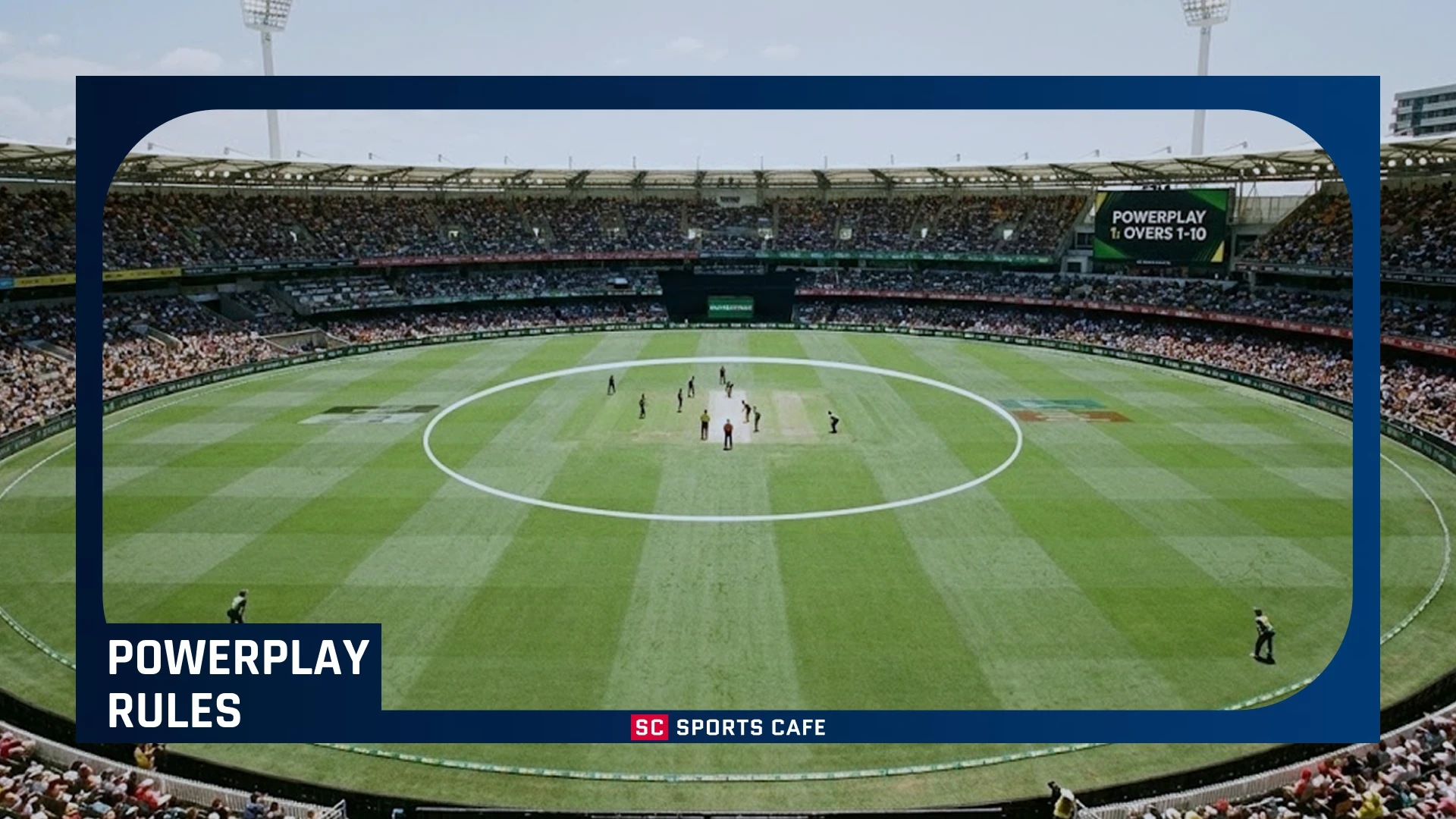
Limited overs cricket reshaped how teams plan batting and bowling, and one of the most influential rule sets is known as powerplay in cricket meaning. A powerplay is a defined phase of an innings during which strict fielding restrictions apply. These restrictions force the fielding side to keep most players inside the 30-yard circle, which opens scoring areas and increases attacking options for batters. The rule exists only in limited overs formats and plays a central role in how matches develop from the first ball to the final over.
Answering the question what is a power play in cricket, the idea focuses on balance. Early overs already assist bowlers because the new ball swings and seams, especially under favorable conditions. Powerplay restrictions stop captains from placing too many fielders near the boundary at the same time. Batting sides gain freedom to attack, while bowlers must rely on skill rather than heavy defensive setups. In this guide, we will explain ODI powerplay phases P1, P2, and P3, outline the simpler rules used in T20 and IPL matches, and show how powerplay decisions often influence match outcomes.
What is a Power Play in Cricket?
Powerplay rules apply across limited-overs cricket with slight format differences. The central principle remains unchanged. Fielding sides face limits on how many players may stand near the boundary, which creates scoring chances and forces tactical thinking. Captains must plan bowling spells carefully, while batters identify gaps and adjust shot selection.
Powerplay phases encourage proactive cricket. Instead of defending from the first over, teams must engage in controlled risk-taking. Batting sides often view powerplay overs as the best opportunity to raise the run rate early, while bowling sides focus on early breakthroughs to reduce that advantage.
The 30-Yard Circle Rule
Every international cricket ground includes an inner circle with a radius of 30 yards measured from the pitch. Powerplay rules control how many fielders may stand outside this circle. Players inside the circle block singles, prevent easy rotation, and apply pressure on batters. Fielders placed outside the circle defend boundaries and cut off lofted shots.
During powerplay overs, only a limited number of fielders may stay outside the circle. The remaining players must stay inside, which leaves open spaces near the boundary. Batters target these areas with aerial shots, well-timed drives, and pick up runs more easily. Captains adjust inner ring positions frequently to counter batters who favor specific angles.
Why was Powerplay Introduced?
Cricket authorities introduced powerplay rules to reduce overly defensive tactics. Before these restrictions, captains often placed several players on the boundary from the start, which reduced scoring and slowed match tempo. Matches became predictable, and early overs lacked attacking intent.
Powerplay phases restore balance between bat and ball. Bowlers still gain support from the new ball, but batters receive space to score. The rule increased average run rates and created clearer phases within an innings. Spectators benefit from visible shifts in momentum, and teams must adapt plans as restrictions change.
Understanding ODI Powerplay Rules: P1, P2, and P3
One Day International cricket includes the most detailed powerplay system. A full 50-over innings contains three separate phases, each with different fielding limits. Understanding powerplay in cricket odi rules helps explain scoring patterns and why teams often change tempo at specific points.
Phase
Overs
Fielders Outside Circle
Purpose
P1
1–10
2
Early attack with a new ball
P2
11–40
4
Control and rotation
P3
41–50
5
Death overs defense
Mandatory Powerplay 1 Overs 1 to 10
The first ten overs form the mandatory powerplay. Only two fielders may stand outside the circle. Bowlers operate with a new ball that swings, seams, and carries through to the wicketkeeper. Batters face aggressive fields with catching positions inside the circle.
Teams usually send their most attacking openers during this phase. Boundaries through the infield become a priority, while bowlers focus on early wickets through fuller length deliveries. A productive first ten overs can define the rest of the innings, while losing multiple wickets may force a conservative rebuild.
Middle Overs Phase P2 Overs 11 to 40
The longest phase allows four fielders outside the circle. Captains regain more control over the field and spread coverage wider. Scoring continues through singles, twos, and carefully chosen boundary shots rather than constant aggression.
Spinners often dominate this phase because slightly tighter fields support controlled bowling. Batters focus on partnership building and keeping wickets intact. Teams that manage this period effectively frequently enter the final overs with both momentum and resources.
The Final Phase P3 Overs 41 to 50
The final ten overs allow five fielders outside the circle. Bowlers receive maximum defensive support to counter powerful shots. Batters increase their strike rate and target weaker boundary riders or mismatches.
Death overs demand precision from bowlers and commitment from batters. Variations in pace, yorkers, and wide lines become essential. Powerplay structure ensures balance even during this high-risk phase.
Powerplay in Cricket T20 and IPL Rules
Twenty20 cricket simplifies powerplay rules significantly. Matches last only 20 overs per innings, so restrictions apply for a shorter and more intense period. Answering what power play in cricket T20, the format uses one mandatory phase rather than multiple segments.
The First 6 Overs Mandatory Powerplay
In T20 cricket and leagues such as the IPL, the powerplay covers the first six overs of each innings. Only two fielders may stand outside the circle during this time. Batters attack aggressively because boundary protection remains limited.
Teams plan opening combinations specifically for this phase. Explosive batters aim to dominate, while bowlers focus on containment and early breakthroughs. A strong powerplay often shapes the rest of the innings.
Non Powerplay Overs 7 to 20
After the sixth over, fielding restrictions ease. Up to five fielders may move outside the circle for the remaining overs. Unlike ODI cricket, T20 formats do not divide later overs into multiple phases.
Middle overs focus on rotation and selective boundary attempts, often against spin bowling. Final overs resemble ODI death overs with heavy hitting and defensive bowling plans. The same structure applies in the IPL, clearly answering what is power play in cricket IPL is.
Strategic Importance of Powerplay Phases
Powerplay overs influence strategy on both sides of the contest. Decisions made during these periods affect run rate, wicket stability, and mental pressure.
Batting Strategy: High Strike Rate
Batters value powerplay runs because gaps exist inside the field. Clearing the infield brings fast boundaries and raises the scoring rate. Teams aim to capitalize on these overs without losing too many wickets.
Risk control remains essential. Losing three or four wickets during the power play can restrict scoring later. Successful teams balance attacking shots with awareness of match conditions and bowling quality.
Bowling Strategy and Field Placement
Bowling captains must protect vulnerable areas with limited resources. Fielders cluster inside the circle, so bowlers rely on swing, seam, and disciplined length. Some bowlers target fuller lengths to induce mistakes, while others slow the pace to disrupt timing.
Field placement becomes a tactical contest. Captains adjust positions frequently and communicate plans constantly. Powerplay overs demand clarity and coordination.
Evolution of the Rule: From "Fielding Restrictions" to Powerplay
Early limited-overs cricket used basic fielding restriction concepts without a formal name. The term powerplay officially appeared in 2005. At one stage, teams could choose batting or bowling powerplay windows, but complexity confused players and spectators.
Authorities later simplified rules into the current structure. Removal of optional phases created consistency across tournaments. Modern powerplay in cricket rules now emphasizes clarity and balance rather than experimentation.
FAQs about Powerplay in Cricket
How many overs is the powerplay in T20?
In T20 cricket, the powerplay always covers the first six overs of each innings. During these overs, the fielding side may place only two players outside the 30-yard circle. The restriction encourages attacking shots from the start and creates higher scoring opportunities while the ball is still new. Teams usually plan their opening batting pairs specifically for this short phase because early momentum often influences the rest of the innings.
How many fielders are allowed outside the circle in the ODI powerplay?
One Day International cricket divides fielding restrictions into three phases. From overs 1 to 10, only two fielders may stand outside the circle. Between overs 11 and 40, the number increases to four, which allows more control during the middle part of the innings. In the final phase from overs 41 to 50, captains may place five fielders outside the circle to defend boundaries during aggressive hitting.
Is there a powerplay in Test cricket?
Test cricket does not include any powerplay or circle-based fielding restrictions. Captains have full freedom to position fielders anywhere on the ground at any time. The absence of overlimits and time pressure allows longer tactical battles, which makes powerplay rules unnecessary in the longest format of the game.
What happens if play is interrupted by rain?
When rain reduces the number of overs in a limited-overs match, the powerplay length changes accordingly. Officials apply the Duckworth-Lewis Stern method to recalculate how many overs belong to each phase. The goal is to preserve fairness by keeping fielding restrictions proportional to the shortened innings. Both teams receive the same adjusted conditions, even if interruptions happen mid-innings.
0
0
0
0
0
0
Comments
0/1000
Sign up or log in to your account to leave comments and reactions




Comments
Sign up or log in to your account to leave comments and reactions
0 Comments