How to Play Virtual Cricket: Rules, Odds, and Winning Tips
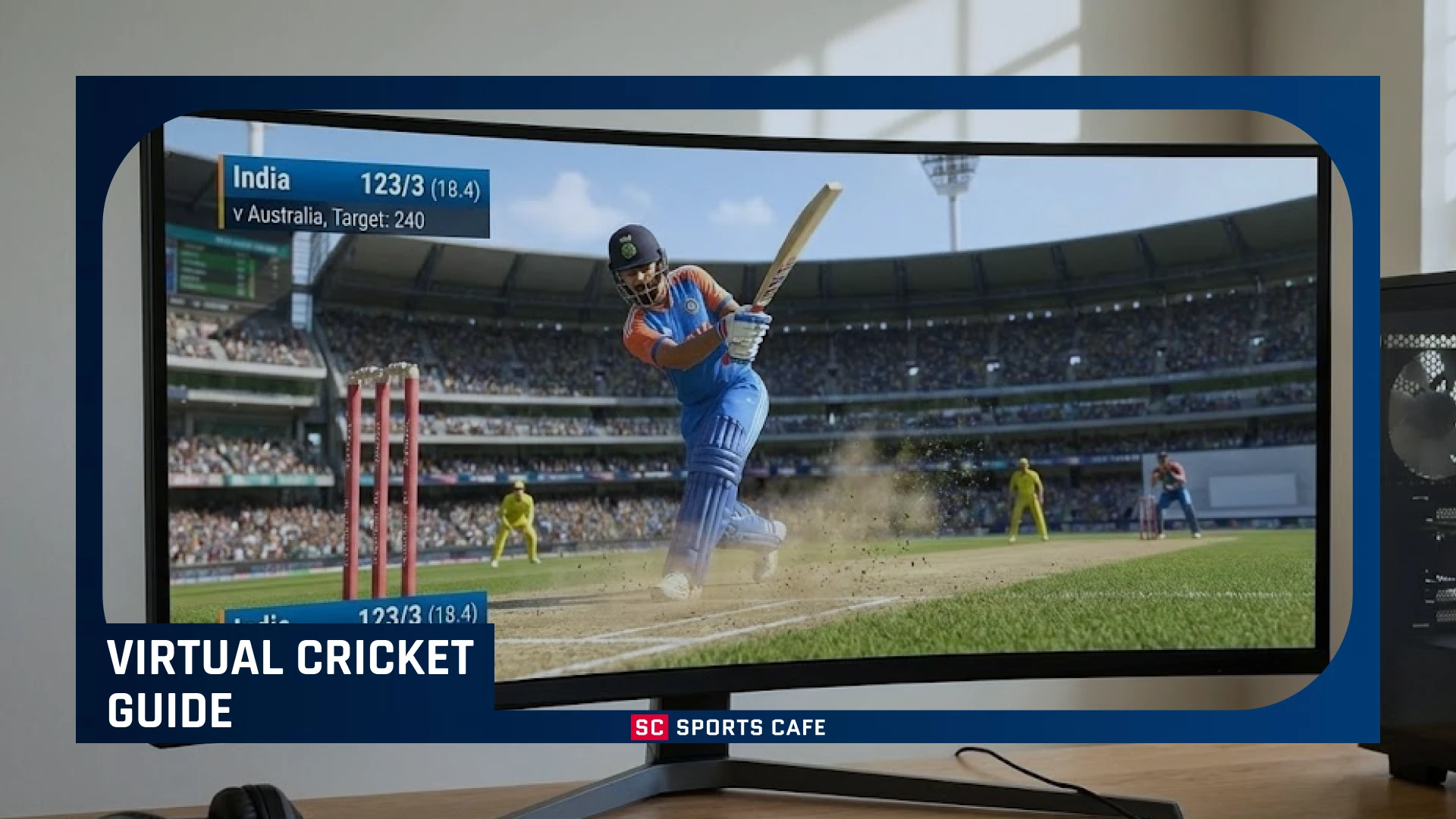
Virtual sports have grown into a separate betting category, especially among users who prefer short events and instant outcomes. Virtual cricket stands at the center of this trend. Instead of waiting for real teams, real pitches, or long match schedules, you place bets on a simulated cricket match created by specialized software. Many newcomers ask what virtual cricket is, and the answer remains direct. It is a digital version of cricket where every delivery, run, and wicket comes from a computer system rather than real athletes on a field.
In betting terms, what is virtual cricket betting becomes clear once you look at how these simulated matches work. You place wagers on computer-generated cricket games where a certified algorithm decides every outcome within seconds. Full matches finish in only a few minutes, which suits users who prefer quick bet settlement without reliance on live schedules or broadcasts. Weather delays, injuries, and late team news never influence the odds, since all results come from software simulation rather than real events.
The guide below explains how the system works, why random number generator technology plays a central role, and how virtual cricket differs from real match betting. You will also find an overview of betting markets, odds logic, and realistic tips related to budget control rather than prediction myths. The goal stays practical knowledge, not promises.
What is Virtual Cricket? Understanding the RNG Mechanics
Virtual cricket exists inside a closed digital environment. Every match outcome follows predefined probabilities set inside certified software. No human decision interferes after the simulation starts.
The phrase virtual cricket means a cricket game where a random number generator determines all events. From the toss to the final ball, each action comes from mathematical probability rather than physical performance. Governing bodies and betting regulators treat such products as games of chance, not sports contests.
How the RNG Algorithm Works
The RNG algorithm acts as the core of virtual cricket. It consists of certified code that produces random outcomes within controlled probability ranges. Each delivery outcome, such as a dot ball, single, boundary, or wicket, links to a probability value programmed into the system.
Those probabilities rely on long-term statistical models rather than real player data. The system does not “learn” from past results and does not remember previous matches. Each simulation begins from zero. Independent auditors test the RNG regularly to confirm fairness and randomness. Neither bookmaker nor user can influence the outcome once the simulation starts.
Odds appear before the match based on implied probability. Short odds signal more likely outcomes, while higher odds indicate less frequent results. The system balances risk across all markets in advance, not during play.
The Difference Between Virtual and Real Cricket
Virtual cricket betting differs strongly from real match wagering. Real cricket requires analysis of pitch conditions, team balance, form cycles, and weather forecasts. Matches can last hours or days.
Virtual cricket removes those layers. Matches run continuously, usually around the clock. Each event finishes within minutes, and outcomes rely fully on probability. Weather, injuries, and tactics hold no value here. A clear comparison helps explain the difference:
Aspect
Real Cricket
Virtual Cricket
Match length
Hours or days
3 to 5 minutes
Influencing factors
Pitch, form, weather
Probability only
Data value
High
None
Availability
Scheduled
Continuous
Skill impact
Significant
None
Understanding this contrast helps avoid false expectations before placing a bet.
How to Start Betting on Virtual Cricket Online
Entry into virtual cricket betting requires only a few steps, though careful platform selection matters more than speed.
Choosing a Virtual Sports Provider
Not all virtual cricket products follow equal standards. Reliable bookmakers work with established virtual sports providers such as Betradar or Kiron. Those companies supply certified simulations and audited RNG systems.
Licensing also matters. Platforms regulated by recognized authorities follow strict compliance rules, including software verification and payout transparency. A trusted bookmaker clearly displays licensing details and provider information.
Skipping unknown platforms reduces exposure to unfair practices and technical issues.
Real Money vs. Demo Mode
Many bookmakers include a demo mode for virtual cricket. Demo play uses the same simulation engine but removes financial risk. It helps users understand market structure, odds movement, and match flow.
Transition to real money betting should follow only after familiarity with basic markets. Demo mode does not change probability but protects funds during early learning stages.
Popular Betting Markets in Virtual Cricket Leagues
Virtual cricket leagues resemble short-format cricket, often inspired by T20 rules. Market selection stays more limited than real cricket, but remains sufficient for different risk levels.
Match Winner and Total Runs
The match winner remains the most direct option. You choose which team wins the simulated match. Odds reflect the probability set by the software.
Total runs markets predict whether combined runs stay over or under a listed line. Those markets attract attention due to clarity and fast settlement. Many users prefer them due to lower complexity.
Boundaries and Wickets Markets
Statistical markets also appear. Total boundaries focus on the number of fours and sixes combined. Fall of wicket markets predict when a dismissal occurs during the innings.
Since the game uses software simulation, such events occur frequently. Odds adjust according to predefined probabilities rather than live performance.
Micro-Markets: First Ball and Dismissals
Micro markets target single events. First ball outcome covers results such as runs scored, no run, or wicket. Method of dismissal focuses on how a batter leaves the game, such as bowled or caught.
Those markets settle quickly and suit users who prefer very short decision cycles. Risk remains high due to the limited outcome scope.
Strategies for Virtual Cricket: Can You Beat the Algorithm?
Virtual cricket removes most analytical tools common in sports betting. No player form, no pitch report, and no team strategy analysis apply.
Bankroll Management is Key
The only reliable approach relates to budget control. Virtual matches appear continuously, and rapid betting cycles increase loss risk without discipline. Fixed stake sizing helps limit damage during losing streaks.
Setting daily limits protects long-term balance. Avoid chasing losses after quick defeats. Short match duration encourages impulsive decisions, which often lead to budget collapse.
Avoiding the Gambler's Fallacy
A common error comes from false pattern recognition. After several similar outcomes, some users expect a reversal. RNG systems do not behave that way. Each event remains independent from the previous one.
Past results do not influence future outcomes. Searching for patterns inside random systems leads to poor decisions. Accepting randomness reduces emotional betting behavior.
FAQs about Virtual Cricket Betting
Is virtual cricket betting rigged?
Virtual cricket betting does not use manipulation when you play on licensed platforms. Certified bookmakers rely on audited RNG software supplied by well-known virtual sports providers. Independent testing companies review those systems regularly and confirm that outcomes follow mathematical probability. Results do not depend on bookmaker decisions, betting volume, or previous matches. Risk appears only when platforms lack regulation or transparency.
Can I use cricket stats for virtual betting?
Real cricket statistics have no value in virtual cricket. The software does not reference player history, team form, or head-to-head records. Virtual teams exist only inside the simulation, and each match starts with identical probability conditions. Attempts to apply real-world data often lead to false confidence and poor stake decisions.
How long does a virtual cricket match last?
A virtual cricket match usually finishes within three to five minutes. That short duration includes the full innings, result calculation, and settlement. The rapid pace explains why many users place multiple bets in a short period. Discipline becomes important due to the speed of repeated betting opportunities.
Is there a strategy to win every time?
No strategy guarantees profit in virtual cricket. Outcomes depend on random number generation rather than skill or analysis. Budget control remains the only practical approach. Fixed stakes, loss limits, and session time control reduce risk exposure, but profit cannot be guaranteed under any method.
0
0
0
0
0
0
Comments
0/1000
Sign up or log in to your account to leave comments and reactions





Comments
Sign up or log in to your account to leave comments and reactions
0 Comments