What is an Innings in Cricket? A Simple Guide to Rules and Betting
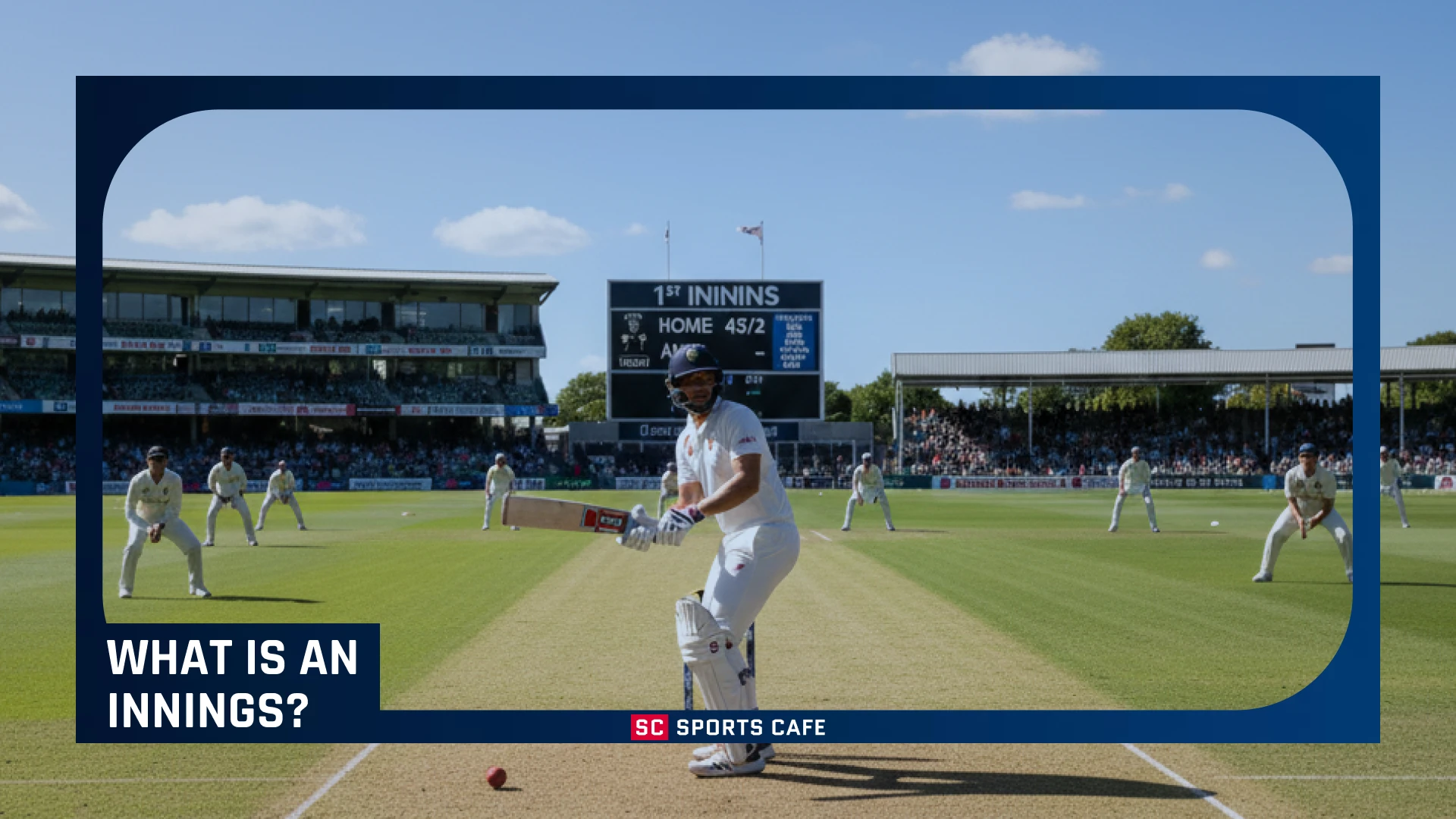
An innings is one of the core building blocks of a cricket match. It is the phase where one side bats and scores runs, while the other side bowls and fields to take wickets. The question of what is innings in cricket can confuse beginners, because the word innings already ends with an “s” and does not change form between singular and plural. When someone says “one innings” or “two innings”, the spelling stays the same.
Each innings has its own rhythm, scoring pattern, and length, depending on the format. In short T20 or ODI games, a team bats only once per match, while longer formats such as Test cricket can have two innings for each side. The result of a match depends on the total runs scored in one or more of these innings and on how effectively each team manages its batting and bowling resources.
A clear understanding of innings in cricket meaning helps fans follow match flow, judge tactical choices, and explore betting markets with more confidence. The goal of this guide is to explain how innings work across different formats, how duration affects scoring, why captains sometimes end their innings by choice, and which betting options link directly to innings-based events.
Understanding the Concept of Innings in Cricket
Before exploring different formats, a newcomer should clearly understand what happens during one innings. Every match is a contest between a batting side and a bowling side, and the innings represents the phase where one side attacks with the bat while the other tries to stop runs and take wickets. When the innings ends, the teams switch roles, and the former bowling side gets its chance to bat and chase or defend a target.
The Basic Objective: Batting vs. Bowling
An innings is built around two opposite goals. The batting side tries to score as many runs as possible while keeping wickets in hand, because every fallen wicket reduces the team’s depth and confidence. The bowling and fielding side focuses on stopping the flow of runs through tight lines, smart field placements, and pressure moments. Their long-term aim is an all-out, when all ten batters are dismissed, and the innings ends. A high target gives strategic control, while a low total hands momentum to the chasing team.
Singular and Plural Terminology
Many beginners get confused by the grammar because cricket uses the same word for one period and for several periods. In this sport, the correct form is innings, not “inning”, no matter if it is a single innings or multiple innings. The word remains unchanged because the term comes from historic English usage and stayed that way across all cricket formats.
Do Innings Vary for Every Cricket Format?
The number of innings and their duration change from one cricket format to another. Test matches allow long play with two innings per team, while ODI and T20 formats give each side one limited-overs innings. Understanding these differences helps you read scorecards, follow tactics, and make better decisions while watching or betting.
Format
Innings per Team
Limit per Innings
Key Notes
Test Cricket
2
No over limit
Innings can end after ten wickets or a captain’s declaration
ODI (One Day)
1
50 overs
Faster scoring tempo, one batting turn per side
T20 / IPL
1
20 overs
Shortest format, heavy focus on early aggression
Test Cricket Innings: The Ultimate Test
In Test cricket, each team plays two innings (up to four innings in a full match), creating a long tactical format spread over several days. There is no over limit: an innings only ends when ten wickets fall, the batting side declares, or time expires. The match outcome often depends on the lead gained in the first innings, or the trail a team must overturn in the second innings, which introduces layered strategy rarely seen in limited-overs formats.
Limited-Overs Cricket (ODI and T20)
Limited-overs cricket uses a shorter structure where each team gets only one batting turn. An ODI innings lasts 50 overs, while a T20 innings lasts 20 overs, which forces teams to score at a higher tempo because time on strike is limited. An innings ends when all ten wickets fall or when the full quota of overs finishes, even if batters remain not out. The clear over cap adds urgency to shot selection, field placements, and late-over bowling changes.
The Dynamics of First vs. Second Innings
A cricket match has two major phases when teams trade roles with bat and ball. Both innings follow the same rules, yet the pressure and mindset feel different. Your approach as a bettor or beginner improves once you understand how each phase plays out on the field.
What is the First Innings in Cricket?
The 1st innings meaning in cricket refers to the stage where one team sets the target. The batting side plays without scoreboard pressure and focuses on building a stable foundation through strong opening partnerships and steady rotation of strike. Early overs inside the powerplay shape momentum, and a balanced start makes it easier for middle-order batters to accelerate later. Bowlers try to break partnerships quickly because early wickets reduce scoring potential and change the tone of the match.
Second Innings: The Run Chase
The second innings turns every run into a clear equation. The batting side knows the exact target from the first innings and manages the scoring rate with more urgency. Any collapse creates stress because wickets in hand become more valuable than pure strike rate. Bowling captains use attacking field settings when chasing pressure builds, and every change in required run rate affects confidence. Matches often turn in this phase because one over or one partnership can flip the result immediately.
How Does a Cricket Innings End?
A cricket innings can finish in several ways, and each depends on the match format and the current situation on the field. Understanding these endings is important for score reading, strategy, and betting decisions. Below are the four main ways an innings ends.
All Out (10 Wickets Down)
An innings ends immediately when the fielding side removes ten batters. Once only one batter remains, the team cannot continue, because batting requires a pair. Even if overs are still available, the innings stops at the moment of the tenth dismissal.
Overs Limit Reached
In limited-overs cricket, the innings have a strict limit: 50 overs in ODI and 20 overs in T20. Once those overs finish, the innings ends even if several batters remain. A team sometimes plays safely near the end, because every ball becomes valuable for run accumulation.
Declaration and Follow-On (Test Cricket)
Test cricket adds two unique rules.
A declaration happens when the captain ends the innings voluntarily, often to save time and focus on bowling before weather or light changes. It helps create a path toward a result instead of waiting for ten dismissals.
A follow-on occurs when the team batting first leads by a large margin after both sides complete one innings. The leading captain can order the opposition to bat again immediately. This creates pressure and speeds up the chance of a win in long matches.
Target Achieved
During the second innings of limited-overs cricket or the fourth innings of a Test, the innings ends the moment the batting team scores one run more than the opponent’s total. No more balls are needed, even if several overs remain. The first team to reach the target wins the match right away.
Betting on Innings: Markets and Strategies
Momentum, pitch wear, and team depth change across the match. A bettor who reads field conditions, bowling quality, and scoring pace can judge totals more accurately than someone who only follows the final score. Strategic decisions such as declaration, early aggression, or slow partnerships all shape betting opportunities.
First Innings Runs Market
The first innings runs market is among the most popular options across formats. You predict whether the batting team will score more or less than a posted total, often expressed as an Over/Under line. Accurate expectations require reading the pitch report, bowling attack, weather, and batting order. A flat surface usually supports a higher score, while overcast skies and a strong pace attack tend to keep totals modest.
Session Betting
Session betting focuses on shorter windows rather than the entire innings. In Test cricket, markets appear for each session, generally covering around 30 overs or two hours of play. Totals shift quickly as bowlers tire, partnerships grow, field sets change, or rain interrupts play. Bettors who follow every ball mostly gain better odds because session markets refresh multiple times before the innings break.
Innings Defeat Betting
Innings defeat betting applies mainly to Test matches. A team suffers an innings defeat when it fails to match the other side’s total even after batting twice. This type of market often appears before the match when one team looks far stronger on slow or turning pitches. Situations involving uneven skill levels, heavy spin, or collapsing batting conditions tend to make innings victory more likely, especially on deteriorating Test surfaces.
FAQs about Innings in Cricket
How long is an innings in cricket?
The length of an innings depends fully on the cricket format. A T20 innings usually lasts around 90 minutes, an ODI innings takes close to three and a half hours, and a Test innings can continue for several hours or even stretch across multiple days because there is no over limit.
What does an innings lead mean?
A first-innings lead shows how many runs one team stays ahead after both sides bat once in a Test match. For example, if Team A posts 360 and Team B scores 280, the first-innings lead is 80 runs. That number decides follow-on decisions and sets the tone for the rest of the match.
Can a team declare in ODI or T20?
The rules allow a captain to declare in any official cricket format, but in ODI and T20, it makes no sense. Teams in limited-overs cricket already have a fixed number of balls to use, so declaration would waste scoring chances and reduce total runs, which is why nobody does it in real play.
What is the difference between an inning and innings?
In baseball, the word is “inning”, but in cricket, the correct word is always innings, for both singular and plural uses. Saying “one innings” or “two innings” is fully correct in cricket language.
0
0
0
0
0
0
Comments
0/1000
Sign up or log in to your account to leave comments and reactions




Comments
Sign up or log in to your account to leave comments and reactions
0 Comments