What is Mankading in Cricket? Rules, History, and The "Spirit of the Game" Debate
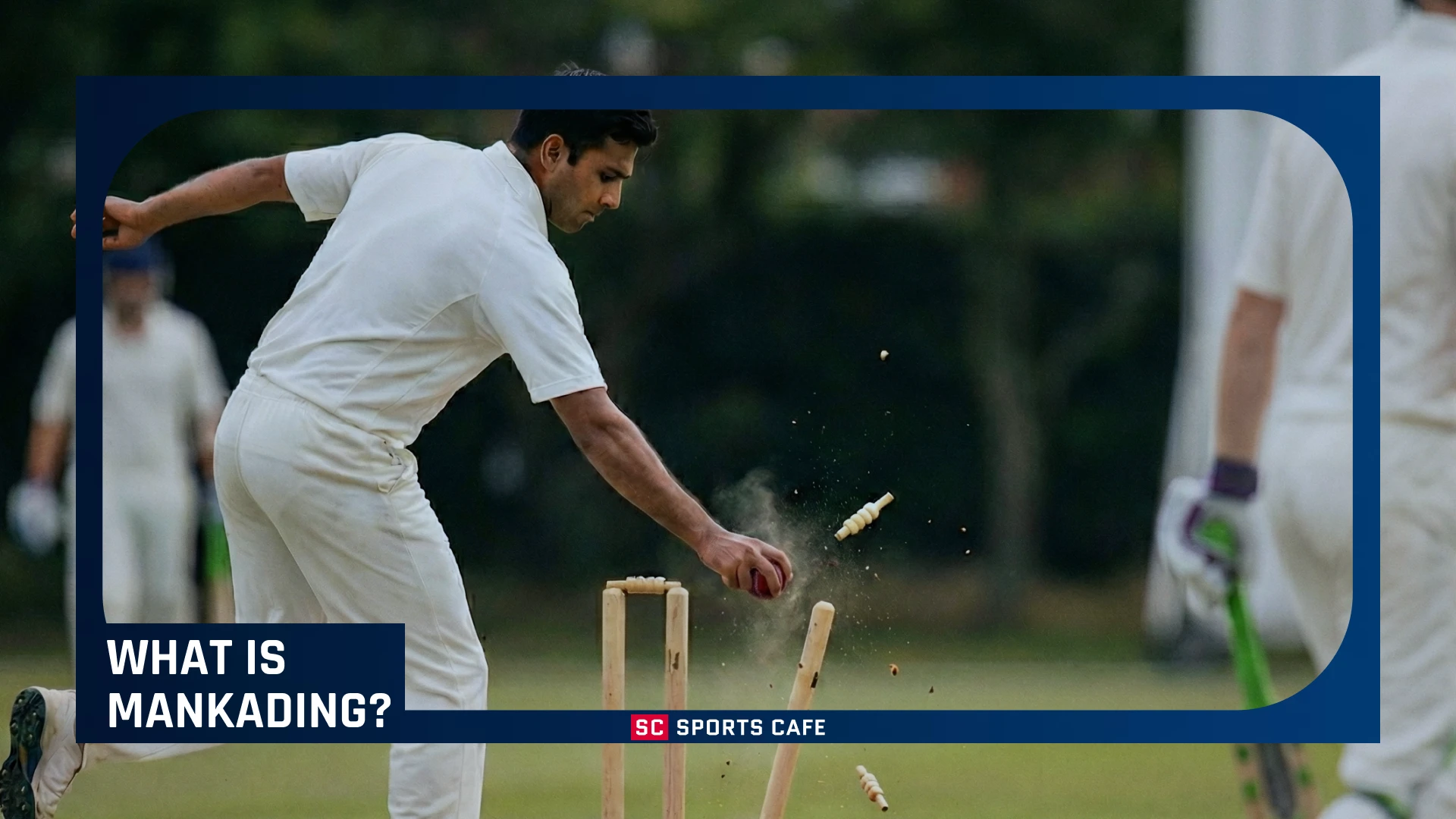
Cricket has a long history of tactical battles, emotional debates, and unusual dismissals. One of the most questioned methods is known as what is mankading in cricket. The mankading meaning in cricket describes a moment when a bowler runs out a batter at the non-striker’s end if the latter leaves the crease before the ball is delivered. The technique is legal under cricket laws and produces strong discussions because many older fans believe the moment contradicts the spirit of cricket. At the same time, modern experts argue that it punishes careless behavior by the batter.
A mankad dismissal treats the action as a normal run out, and all international umpires follow the same interpretation. Many fans still remember high-profile incidents, especially the IPL battle between Ravichandran Ashwin and Jos Buttler. The situation divided opinion across the cricket world and made the subject even more emotional.
The page explores the mankading rules, the origin of the name, the arguments for and against the dismissal, and the evolution of MCC Law 41.16. The history begins with Vinoo Mankad, continues through several updates in the rulebook, and shows how modern players such as Deepti Sharma or Adam Zampa used the dismissal in competitive games. The article also explains how betting markets react when a non-striker runs out, changes the match momentum, or updates the scorecard.
Cricket continues to evolve, and fans must understand the limits of law, ethics, advantage, and tactical play. A clear definition, historical background, and technical interpretation remove confusion and help readers understand why the dismissal remains fully legitimate.
Mankading Meaning and Origin: Why is it Called That?
The term refers to a specific run out at the non-striker’s end. Many people do not know why it carries the surname of a single Indian cricketer. The story began in the late 1940s when India toured Australia, and one unusual dismissal changed terminology forever.
The Story of Vinoo Mankad vs Bill Brown (1947)
India toured Australia in 1947, and one particular incident turned into a turning point for cricket terminology. Indian all-rounder Vinoo Mankad noticed that Australian batter Bill Brown consistently stepped outside the non-striker’s crease before the ball reached the delivery moment. Mankad first warned Brown and advised him to remain grounded, but Brown continued to move early and tried to shorten the running distance between ends.
During the second Test, Mankad paused during his delivery stride, broke the stumps at the non-striker’s end, and appealed for a run out. The umpire confirmed the dismissal because Brown left the crease before the legal point of delivery. Media outlets reacted instantly and used Mankad’s surname to describe the event. Australian newspapers repeated the expression many times, and the word quickly spread to other cricket nations. From that point onward, informal conversations began to call such run-outs “Mankading”, even though official rulebooks continued to use the neutral term non-striker run out.
Official Terminology: Non-Striker Run Out
The MCC and ICC do not use the expression mankading in official documentation. The official name is a non-striker run-out dismissal. Many cricket legends, such as Sunil Gavaskar and some administrators, said that using the surname of a player sounded disrespectful. In contrast, others believe the name belongs to history and should not be treated negatively.
Scorecards record such dismissals as run out, not as wickets credited to the bowler. From the perspective of match analytics, strategy, and commentary, the dismissal becomes part of tactical pressure because modern cricket rewards sharper fielding and higher awareness.
Some professional coaches prefer to teach young players to call it a non-striker run out because the term feels neutral and removes emotional reaction. Others accept the informal usage because media and fans still apply the name, especially in controversial situations.
Is Mankading Legal? Understanding MCC Law 41.16
Cricket laws must answer the most common misunderstanding: is the dismissal legal or illegal? New fans sometimes think that it violates etiquette, but every umpire counts it as a normal runout. Understanding the rule provides clarity and ends confusion.
From "Unfair Play" to "Run Out"
Before 2022, the law placed non-striker run-outs inside the unfair play section. Many spectators interpreted the location as a statement against the bowler, although the dismissal itself was legal. Such separation supported the idea that the method did not belong to standard play.
In 2022, MCC moved the subject into Law 38, under the run-out section. The decision signaled that technical interpretation must treat the dismissal as a standard event. Cricket authorities finally eliminated the label of unfairness and confirmed that the action has no ethical violation. Batter behavior, not bowler intention, decides whether the ground is stolen.
The move gave greater confidence to players who viewed the method as a natural part of cricket. Bowler skill, alertness, and judgment became important parts of match pressure, just like stumping or being run out by a fielder.
The Exact Moment of Delivery
MCC Law 41.16 defines the timing. A bowler may break the stumps at the non-striker’s end if the delivery stride has not reached the point of no return. The rule says the bowler must act before the arm begins the downward motion for releasing the ball. Once the arm reaches the highest position and moves downward, the delivery is considered to have started. After that, the run-out attempt is invalid.
The interpretation protects both sides. The batter cannot step out too early and steal distance, while the bowler receives legal authority to enforce the law without confusion. Umpires review the footage in close situations, and the third umpire replays decide when the delivery began.
Many analysts say that the earlier confusion came from the wording. Now the law clearly defines the phase, and every international match follows the same principle. The precision also benefits training environments, where young bowlers learn to identify the legal moment.
Is a Warning Required?
One of the most asked questions concerns warnings. Old cricket culture treated a warning as a part of good manners, and some senior professionals believed that sudden run-outs damaged the spirit of cricket. MCC confirmed that a warning is not compulsory. The rules do not require a bowler to announce any intention before acting.
Repeated leaving of the crease early now represents an attempt to steal distance, and bowlers carry every right to respond. Run out at the non-striker’s end must be treated as a tactical check on inattentive movement. Many modern captains support the view that the batter must protect their crease at all times, just like avoiding stumping or lbw.
Famous Mankading Incidents and Controversies
Below is a standard table format that highlights major non-striker run outs from different tournaments and eras. Each case produced a strong reaction, discussions about spirit vs law, and media attention.
Year
Bowler
Batter
Result and Reaction
1947
Vinoo Mankad
Bill Brown
Legal run out confirmed. Australian newspapers introduced the informal term, and a global debate began.
2019
Ravichandran Ashwin
Jos Buttler
IPL run out confirmed. Fair play arguments divided cricket fans and experts.
2022
Deepti Sharma
Charlie Dean
The match ended with India’s victory. Tactical use of the dismissal created strong discussion worldwide.
BBL
Adam Zampa
Tom Rogers
The third umpire ruled the delivery as completed. Attempt rejected and laws reviewed in detail.
Ravichandran Ashwin vs Jos Buttler (IPL 2019)
One of the most discussed non-striker run-outs in modern cricket happened during the 2019 Indian Premier League. Kings XI Punjab faced Rajasthan Royals, and Ravichandran Ashwin paused before the delivery, noticed Jos Buttler outside the crease, and removed the bails. The umpire confirmed the dismissal because Buttler had moved early. The moment spread across cricket media, and comments arrived from current players, former captains, and league analysts.
Many fans argued that Ashwin should have warned Buttler, while others said that Buttler gained unfair distance and deserved the run out. Team captains from different countries expressed views in interviews and social networks, and the subject dominated headlines for several days. IPL audiences saw how a legal method could turn into a major ethical discussion and influence match conversations across continents.
Deepti Sharma vs Charlie Dean (2022)
A memorable game between the women’s national teams of India and England in 2022 produced another turning point. England chased a tense total, and Charlie Dean prepared for a single during the end overs. Deepti Sharma noticed that Dean stepped out early and removed the bails. The umpire confirmed a legal runout, and India won the match.
The reaction was immediate because England believed that Dean did not intend to gain distance deliberately. Indian viewers responded that Dean left the crease several times, and Deepti fully respected cricket law. Experts later explained that modern players practice non-striker run outs as a tactical safeguard when a close finish increases the value of every run. After the match, many commentators accepted that strategic awareness at the non-striker’s end helps protect bowlers from unfair ground stealing.
Adam Zampa's Failed Attempt (BBL)
The Big Bash League featured an unusual moment when Adam Zampa tried to run out Tom Rogers at the non-striker’s end. Umpires went upstairs, and the third umpire reviewed the replay frame by frame. It showed that Zampa’s bowling arm moved beyond the highest point and entered the downward motion of delivery. According to law interpretation, the run-out became invalid because the ball was already in the delivery phase.
The incident informed club coaches and young bowlers about the importance of legal timing. The replay created a teaching example for academies, where players learned how early detection and patience in the stride help bowler action remain within the law. Some analysts also pointed to how accurate interpretation protects both the batter and the bowler from confusion.
The "Spirit of Cricket" Debate: Ethics vs Rules
Cricket contains laws, customs, emotions, and unwritten etiquette. The dismissal sits inside several layers, producing a debate that rarely ends.
The Argument for the Batter (Traditional View)
Traditional voices in cricket say that a sudden non-striker run out feels harsh and contradicts the spirit of cricket. Many batters step outside the crease naturally because of body movement, focus on running calls, or a habit developed during training. Critics argue that a bowler should warn the batter before attempting a dismissal, as warnings protect etiquette and reduce conflict between teams. They add that the sport has always valued sportsmanship, and a batter often leaves the crease without tactical intention. In their view, the run out should be the last choice and not the first response, especially when a match situation is already emotional.
The Argument for the Bowler (Modern View)
Modern cricket analysts reject the emotional interpretation and focus on competitive fairness. A batter who leaves the popping crease early gains a measurable advantage because the distance between ends becomes shorter, which increases the chance of converting singles into runs. Many professionals call this unfair ground stealing, and they see it as a responsibility for bowlers to prevent it. A bowler has every legal right to break the stumps before delivery, just as a wicketkeeper has every legal right to perform a stumping. Supporters of the law say that discipline at the non-striker’s end is part of match awareness, and enforcing the rule protects equal conditions for both sides.
How Mankading Affects Betting Markets
Cricket betting relies on statistics, timing, and match rhythm. A sudden non-striker run out can influence several betting lines because the dismissal stops play, changes individual totals, and sometimes alters match direction. Bettors who follow run scoring, wickets, and over-by-over patterns need to understand how the laws treat non-striker dismissals and how platforms settle results.
Impact on "Fall of Wicket" and "Player Runs" Bets
A non-striker run out is treated as a legal dismissal in betting markets. If you place a Player Runs prediction and the batter loses a wicket at the non-striker’s end, the number on the scoreboard becomes final, and the prediction fails. The dismissal also influences Fall of Wicket markets because every wicket changes totals and risk levels. Method of Dismissal lines treat it as a run out because scorecards record it in the same way.
Live Betting Volatility
A non-striker run out usually leads to pauses, reviews, and discussions with umpires. Delays affect live betting because match tempo changes and every wicket alters strike rotation and lower-order scoring confidence. Bettors often wait for a third umpire call before acting, and odds adjust quickly after confirmation of the decision.
FAQs about Mankading Rules
Why is it called Mankading?
The name comes from Indian cricketer Vinoo Mankad, who ran out Bill Brown during the 1947 Australia tour.
Is Mankading officially allowed in cricket?
Yes, it is a fully legal run out under MCC rules, and umpires treat it as a normal dismissal.
Does the bowler have to warn the batsman?
No, laws do not require any warning before the run-out attempt at the non-striker’s end.
Does the run out count to the bowler’s stats?
No, the wicket is not credited to the bowler in individual statistics, although the dismissal counts for the team scorecard.
0
0
0
0
0
0
Comments
0/1000
Sign up or log in to your account to leave comments and reactions





Comments
Sign up or log in to your account to leave comments and reactions
0 Comments