What is Ball Tampering in Cricket? Meaning, Rules, and History's Biggest Cases
Fans often ask what ball tampering is in cricket when a match suddenly stops, umpires change the ball, and commentators speak about “the Spirit of Cricket”. Ball tampering refers to deliberate, unfair alteration of the ball’s condition and relates directly to Law 41.3 and to basic ideas of fair play. Understanding these nuances is essential for those involved in online cricket betting, as such incidents can fundamentally shift the momentum of a game.
What is Ball Tampering and Why is it Illegal?
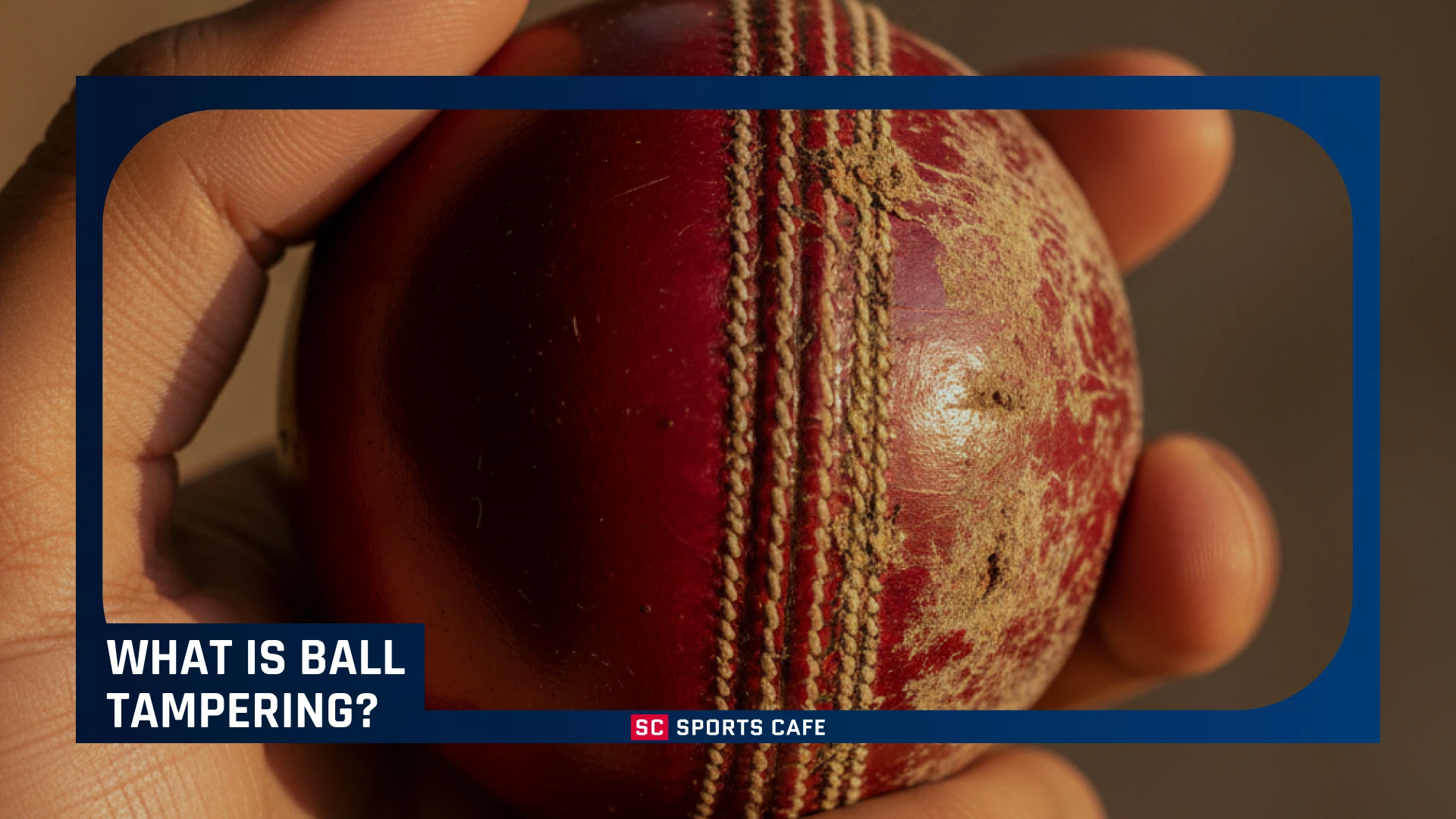
Ball tampering means any deliberate, unauthorised change to the ball’s state. Players try to gain extra swing, especially reverse swing, by roughening one side or by applying substances that alter how air flows over the surface. Laws of Cricket allow natural wear and controlled care of the ball, but any action that accelerates damage or alters one side unnaturally breaks the rules.
A short way to answer what is meant by ball tampering in cricket would be: unfair interference with the ball to gain bowling advantage beyond what the laws permit.
The ICC Law 41.3 Explained
Law 41.3 defines how players may handle the ball during a match. A team can polish one side with clothing, dry the surface with a towel, or remove loose dirt while the umpire watches. Any other form of alteration goes beyond permitted maintenance. Scratching, picking the seam, rubbing with an object, or applying any substance all break the law. Umpires hold full authority to stop play, award penalty runs, replace the ball, and report the case for further action.
The Science of Swing: Laminar vs. Turbulent Flow
Swing depends on how air moves across smooth and rough surfaces. A polished side guides air in a laminar stream, while a rough side disrupts it and forms a turbulent stream. The imbalance between the two streams pushes the ball sideways. Conventional swing relies on a shiny side at a moderate pace. At a higher pace, the rough side gains influence and creates reverse swing, a late movement that many bowlers chase. Scratches increase turbulence and exaggerate the effect, which explains why ball condition is a key factor in professional predictions.
Permitted vs. Illegal Manipulations (The Methods)
Umpires recognise some actions as legal and others as clear tampering. The table below separates them.
Permitted Actions
Illegal Methods
Polishing one side with sweat on clothing
Scratching with nails, bottle tops, or sharp edges
Removing mud from the ball under the umpire's supervision
Use of sandpaper or other abrasive strips
Drying the ball with an umpire-approved cloth
Application of lip balm, petroleum jelly, wax, or similar
Gentle cleaning after it lands in a damp outfield
Use of sticky tape or other adhesive on the surface
Short list of common illegal approaches:
Use of sharp or hard objects to lift the seam or cut the leather
Use of abrasive materials such as sandpaper or rough tape
Application of artificial substances that change shine or grip
Use of sweets or mints to alter saliva, then heavy polishing of one side
The central idea stays simple: natural polish with sweat and basic cleaning stay legal, while any attempt to damage or artificially treat the ball crosses the line.
Penalties and Consequences of Ball Tampering
Tampering triggers punishment on the field and further action after the match. The impact often goes beyond statistics and reaches personal reputation.
On-Field Sanctions (The Umpire's Role)
Once umpires suspect foul play, they follow a clear set of steps.
Inspection of the ball: Umpires examine the ball and discuss concerns between themselves.
Warning and replacement: They inform the captain, replace the ball with one in similar condition, and warn the team involved.
Penalty runs: Five penalty runs go to the batting side when umpires judge that the fielding side altered the ball unfairly.
Restrictions on bowlers: In serious or repeated cases during the same innings, the bowler may lose the right to bowl again in that innings.
All decisions and observations then pass into the official match report, often leading to sharp fluctuations in live cricket odds.
Disciplinary Action and Reputation Damage
Off-field consequences often hurt more than the immediate five runs. The ICC Code of Conduct treats deliberate tampering as a major offence, with sanctions that may include:
Match-fee fines
Suspension for several matches or longer bans
Loss of captaincy or leadership posts
Impact on central contracts and franchise deals
Reputation damage can last many years. Famous players involved in tampering scandals often face public criticism, tough interviews, and questions about previous performances. Sponsors may distance themselves, and national boards may launch independent reviews of team culture. For many, the long shadow of a tampering case stays longer than the ban itself.
The Captain’s Responsibility
Captains carry responsibility for every action taken by their team on the field. Match officials expect the captain to prevent any unfair conduct, and failure to enforce discipline can lead to personal penalties. A captain may face sanctions even when another player handled the ball. The law treats leadership as part of the game, and the captain’s role includes maintaining fair play.
The "Grey Areas" of Ball Maintenance
Some forms of ball wear stay close to the legal boundary and often create debate among viewers. The ball naturally loses shine and gains rough spots, which can mask certain actions. Umpires observe patterns across overs and intervene if a team pushes natural wear too far.
Throwing on the Bounce
Fielders sometimes throw the ball so it lands on a hard patch before reaching the wicketkeeper. The bounce can rough up one side faster than usual. One or two throws may appear innocent, yet a repeated sequence draws the umpire's attention. If intent becomes clear, they warn the captain and monitor the next overs closely.
Scuffing the Ball on the Pitch
A bowler may pick up the ball with the toe of the boot pointing downward or roll it along the ground while reaching for it. Spikes can strike the surface of the ball when the bowler stops after delivery. These moments are difficult to prove as deliberate, but they can create unfair wear. Umpires step in when they see a pattern or unusual marks.
How Technology Helps Detect Ball Tampering
Modern cricket makes secret actions hard to hide because every movement appears on camera. Many incidents reached the referee’s desk because broadcasters spotted suspicious contact first, a detail quickly picked up by users of online cricket betting apps.
The Role of 4K Cameras and Broadcasters
Cameras around the ground catch close-ups of hands, pockets, and the ball during breaks in play. High-resolution lenses expose small details that the naked eye may miss. Many incidents reached the referee’s desk because broadcasters spotted suspicious contact first.
Umpires’ Inspection Protocols
Umpires inspect the ball at frequent intervals. They feel the seam, check the surface for irregular patches, and use a gauge to confirm the correct shape. After wickets, drinks breaks, or long delays, they examine the ball again to ensure that only natural wear occurred. When they notice sudden changes, they halt the match, apply penalties, replace the ball, and file a report.
A Detailed History of Ball Tampering Cases and Controversies
The question of ball tampering in cricket history has led to a long list of disputes. Waqar Younis became the first player suspended specifically for ball tampering in 2000. The case signalled that the ICC, and subsequently online cricket betting sites in their settlement rules, would no longer treat such offences lightly.
Early Incidents and Defining the Rules (1970s-1990s)
Ball condition debates in the 1970s and 1990s pushed the game toward clearer rules. Key cases from that time include:
John Lever (1977): English left-arm seamer accused of applying Vaseline from gauze strips on his forehead during a series in India. The incident raised questions over substances that influence swing and led to intense discussion about the boundary between legal and illegal shine.
Michael Atherton (1994): During a Test at Lord’s against South Africa, cameras showed Atherton with dirt in his pocket and rubbing the ball. He claimed the dirt served to dry his hands, not alter the ball, but the incident led to a fine and a long debate in the press.
Waqar Younis (1990s / 2000): One of the great masters of reverse swing, Waqar became the first player suspended specifically for ball tampering during an ODI in 2000. The case signalled that the ICC would no longer treat such offences lightly, especially for fast bowlers associated with heavy reverse swing.
These episodes pushed the authorities toward clearer language in the laws and stronger involvement by match referees when suspicion arose.
The 2000s: High-Profile Accusations and Debates
The early 2000s produced several headline-grabbing disputes that kept tampering in the spotlight.
Sachin Tendulkar (2001): In South Africa, match officials cited Tendulkar for “cleaning the seam” during a Test in Port Elizabeth. After review, the ICC downgraded the charge, but the incident triggered strong reactions in India and highlighted how sensitive tampering accusations can be.
Rahul Dravid (2004): During an ODI against Zimbabwe in Australia, cameras showed Dravid with a cough lozenge while shining the ball. Match officials fined him for ball tampering, and discussions followed about how sweets, saliva, and ball shine connect.
The 2006 Oval Test (Pakistan vs England): Umpires penalised Pakistan for alleged ball tampering during the fourth Test at The Oval. Pakistan refused to return to the field after tea in protest, and the umpires awarded the match to England as a forfeit. The episode became one of the most controversial days in modern cricket and led to later negotiations over how such disputes should be handled.
These cases show that tampering debates rarely stay technical; they often cross into national pride, media pressure, and long-term relationships between boards.
Faf du Plessis: The "Zipper" and "Mint" Incidents
South Africa’s Faf du Plessis stands out as a modern figure repeatedly linked to ball condition disputes.
“Zippergate” (2013): Footage during a Test against Pakistan in Dubai appeared to show du Plessis rubbing the ball on the zipper of his trousers. Match officials ruled that this action altered the ball unfairly and fined him.
“Mintgate” (2016): In a Test in Hobart against Australia, cameras showed du Plessis using saliva while a mint sat in his mouth. Officials judged that he used the sweet to create a substance on the ball’s surface and found him guilty of tampering.
These repeated incidents reinforced ICC attention on aids such as sweets and on any use of clothing or equipment to change the ball in unnatural ways.
Sandpapergate (2018) – The Scandal That Shook Cricket
No discussion of ball tampering cases in cricket history feels complete without Sandpapergate. Key elements of the scandal:
The plan: During the Cape Town Test against South Africa in 2018, Australian opener Cameron Bancroft carried a small piece of sandpaper in his pocket. Television footage caught him rubbing the ball and then hiding the object in his trousers.
The key figures: Bancroft described a plan involving captain Steve Smith and vice-captain David Warner. Press conferences after the incident confirmed leadership involvement.
The consequences: Cricket Australia imposed heavy sanctions: Smith and Warner received twelve-month bans from international and domestic cricket, Bancroft received a nine-month ban. Smith lost the captaincy, and the incident triggered an independent cultural review of Australian cricket. Tearful apologies and resignations dominated sports news worldwide for weeks.
Sandpapergate reshaped the global view of tampering and forced boards to revisit standards for leadership, ethics, and team culture.
Modern Incidents and Continued Scrutiny
Even after Sandpapergate, tampering concerns continue.
Vernon Philander (2014): The South African seamer faced a fine after camera footage appeared to show him scratching the ball seam during a Test against Sri Lanka.
Dinesh Chandimal (2018): The Sri Lankan captain received a ban after umpires judged that he used an artificial substance from his pocket to shine the ball during a Test in the West Indies.
Modern technology captures close-up images from multiple angles, so even minor alterations are unlikely to go unnoticed.
Conclusion: Why Ball Tampering Remains a Critical Issue
Many fans search for the meaning of ball tampering in cricket when new controversies arise, yet the core idea has not changed in decades. Tampering remains a direct attack on the balance between bat and ball, on the laws, and on the spirit of fair competition. The long record of incidents shows that some players still seek an advantage through illegal ball treatment, even though punishments have grown harsher. Governing bodies continue to improve camera coverage, match-official training, and sanction systems to discourage such behaviour, while teams must foster cultures that value fair play above short-term gains. The game’s credibility depends on that choice.
FAQs about Ball Tampering in Cricket
Fans often ask similar questions after any tampering incident, and clear replies help separate legal maintenance from unfair play.
What substances are used for ball tampering?
Abusive methods in past cases involved sandpaper, soil, lip balm, mints, bottle caps, and other abrasive or sticky items that change the surface.
Is picking the seam allowed?
No. Lifting or separating the seam counts as an illegal act under Law 41.3.
Why do players want to rough up one side of the ball?
A rough side supports reverse swing because turbulent airflow increases late movement.
Can a captain be banned if a player tampers with the ball?
Yes. The captain bears responsibility for team conduct and can face sanctions even without direct involvement.
What happens to the ball after tampering is detected?
Umpires award penalty runs, replace the ball with one of similar wear, and report the matter to the match referee for further judgment.
0
0
0
0
0
0
Comments
0/1000
Sign up or log in to your account to leave comments and reactions





Comments
Sign up or log in to your account to leave comments and reactions
0 Comments