


What Is the Meaning of an Abandoned Cricket Match?
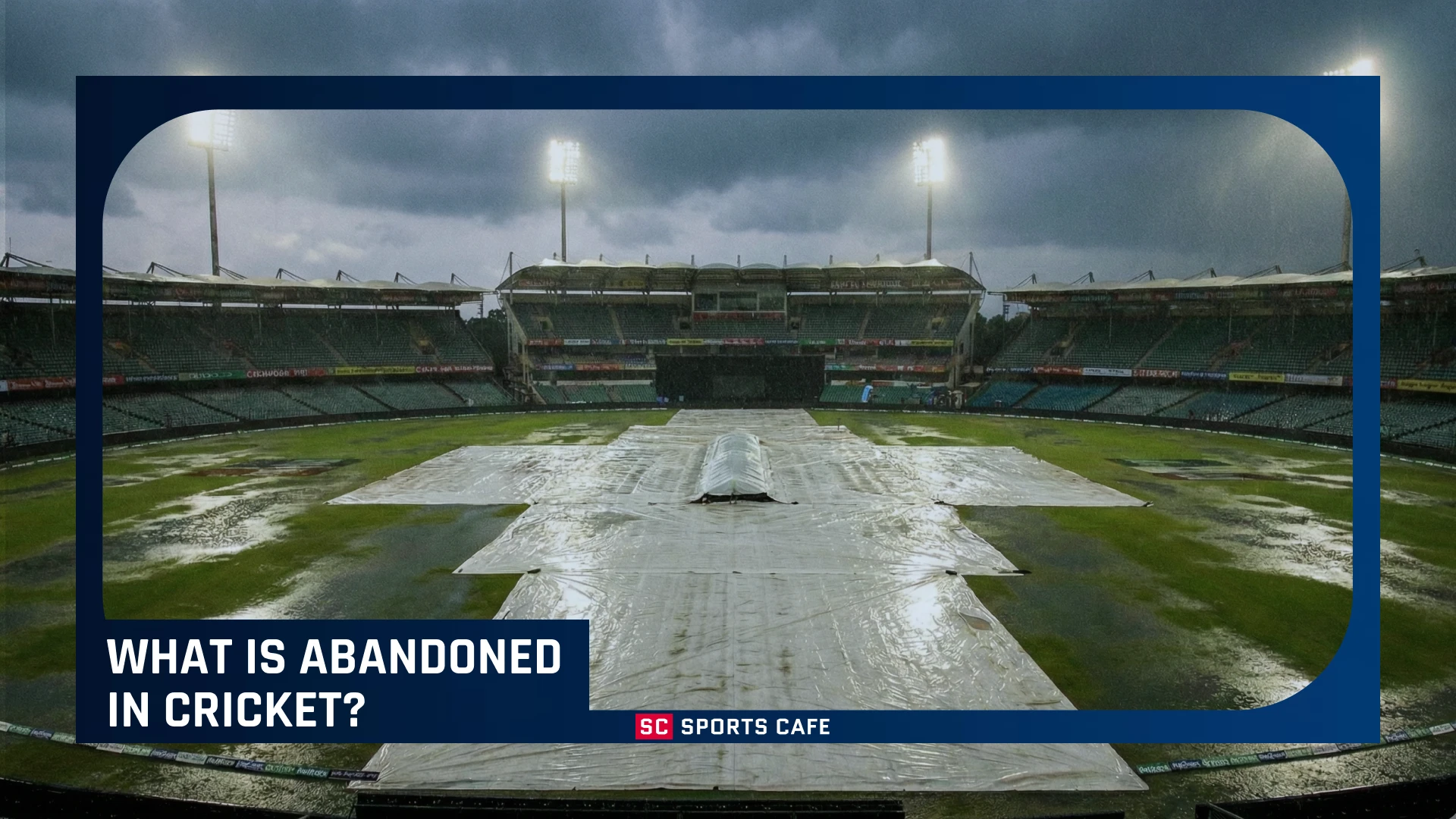
An abandoned match in cricket can confuse many fans because the term sounds similar to No Result or Draw, but it has a different meaning in several important ways. A match can stop at any level of the game, and the word “abandoned” signals a specific scenario in which the contest cannot begin or cannot continue. Weather problems, unsafe conditions, or external disruptions often stand behind such outcomes, and each situation affects competitions and online cricket betting rules differently. Readers frequently search for a clear explanation, so the sections below cover every major detail and address common misunderstandings.
What is an Abandoned Match?
An abandoned match is a contest that cannot start or continue due to factors beyond the players' control. Umpires and match officials analyse the conditions, and once they decide that play cannot resume, the match is permanently suspended for that day. The key point lies in the disruption; no team action or strategy influences the decision.
Official Definition of "Abandoned"
An abandoned contest counts as cancelled for official records. It takes place in Test matches, ODIs, or T20 formats and does not continue on another date unless the event rules include a reserve day. Once the decision arrives, no further overs take place, no restart follows, and the fixture closes in the match log as abandoned.
The Key Term: "Match Abandoned without a ball bowled"
The phrase what is match abandoned without a ball bowled describes a specific case in which the contest ends before the toss or before the first legal delivery. No bowler delivers a ball, no batter takes guard, and no official score forms. The term stands apart from other abandoned games in which only a few overs may have been played.
Abandoned vs. No Result vs. Draw: Understanding the Differences
Supporters often mix up similar terms when rain or delays affect the schedule. The three outcomes below represent different rules and different circumstances.
Abandoned Match vs. No Result
A “No Result” differs from a cricket match abandoned, meaning that play must start for a No Result to occur. A toss takes place, teams step onto the field, and some overs begin. If weather intervenes before the minimum overs threshold, officials cannot apply the DLS method to predictions determine a winner, and the match ends in a no-result. An abandoned contest may occur without any toss or delivery.
Abandoned Match vs. Draw
A Draw rarely appears outside Test cricket. A match is drawn when time expires and neither team completes the required innings. A Draw does not depend on weather alone. An abandoned Test may occur when conditions stop any chance of play, while a Draw reflects a lack of time rather than cancellation.
Role of Minimum Overs in Declaring a Result
Minimum overs form the core of the rules for limited-overs contests. A table helps outline the values:
| Format | Minimum overs for a valid result |
|---|---|
| T20 International | 5 overs per side |
| One-Day Internationa | 20 overs per side |
| Domestic T20 | Varies by league, but usually five overs |
| Domestic ODI | Often 20 overs |
If play does not reach the required number of overs for both teams, the match cannot produce a winner and becomes a No Result, not an abandoned contest.
Primary Reasons for Match Abandonment
Officials cancel matches only when they see a clear threat to safety or notice that the playing field cannot support fair play.
Unplayable Weather Conditions (Rain, Fog, Storms)
Heavy rain is the most common cause of abandoned cricket matches, as water on the pitch or the outfield poses a danger to bowlers and fielders. Dense fog may hide sight lines for batters, and storms with lightning or strong winds force umpires to stop play immediately. Poor visibility or unstable conditions create an unsafe environment for cricket.
Unsafe Pitch and Ground Conditions
A soaked outfield may cause slips during high-speed movement, and a soft or cracked pitch may misbehave to the point of risking injury. Umpires inspect the soil, grass, and bounce area closely. If the surface cannot support batters or bowlers in a reasonably safe manner, the match cannot continue.
External and Unforeseen Factors
Rare cases include crowd trouble, power failures, damaged protective screens, or lighting issues. Each of these factors interrupts the match in a way that officials cannot fix in time. When the disruption exceeds safe limits, the contest ends permanently.
Consequences and Rules: What Happens Next?
Fans often ask what happens if a cricket match is abandoned, as the outcome can affect league standings, knockout stages, and betting markets. The rules differ depending on the type of competition.
Points Distribution in League Competitions
In group stages and domestic leagues, abandoned fixtures usually award equal points to both sides. Teams split the points for the match, which keeps the standings fair when no play occurs.
Impact on Knockout Matches and the Role of Reserve Days
Knockout contests often use reserve days. Semi-finals or finals in major events place an extra day in the schedule, so one washout does not eliminate a team. Reserve days aim to provide space for a full match or for a shortened, revised contest.
Betting Rules: What Happens to Bets When a Match is Abandoned?
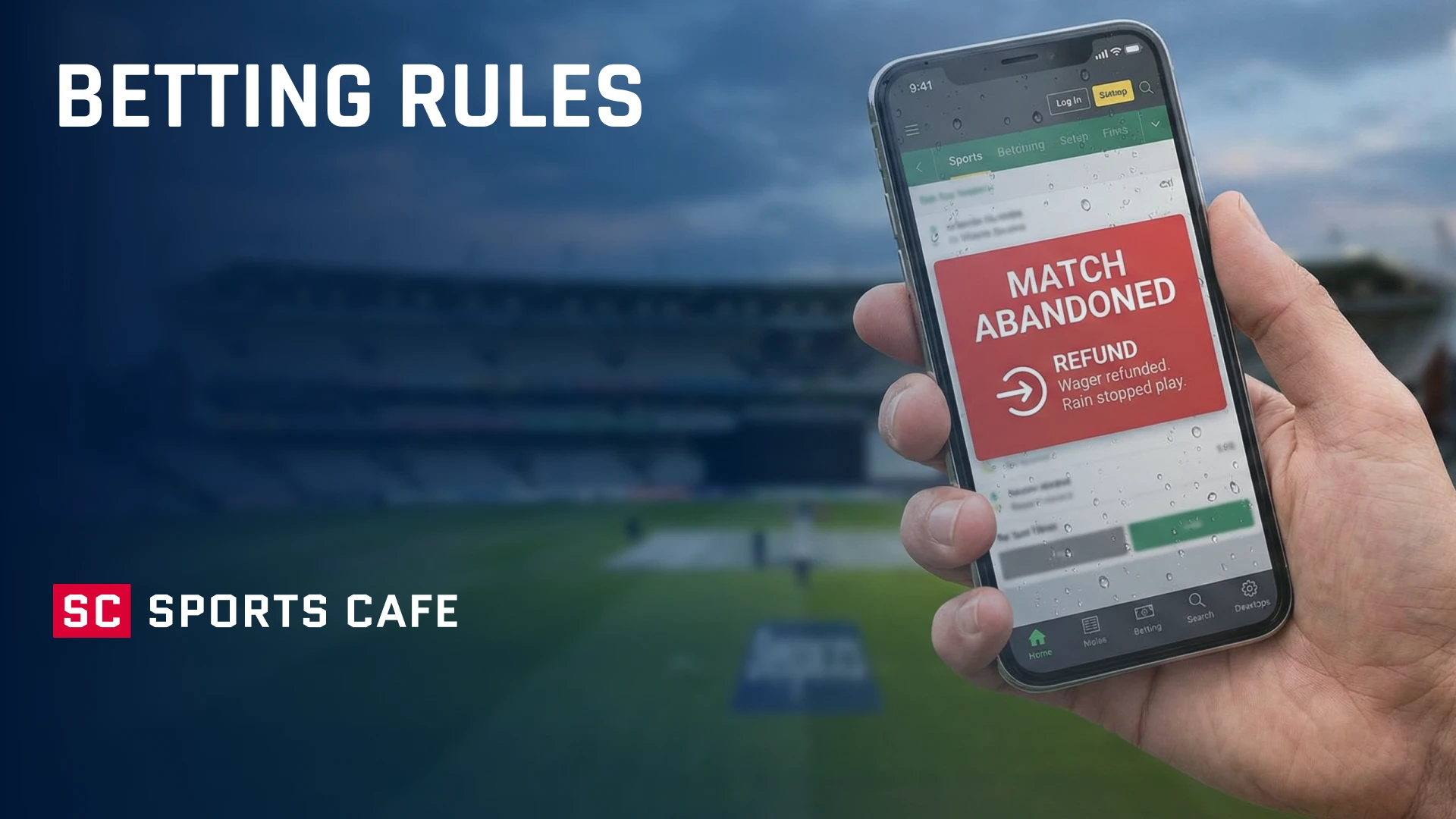
Readers frequently search for what happens when a match is abandoned in cricket because betting rules differ from tournament rules. Most cricket betting sites void bets when the game does not start or does not reach the minimum overs for a result. Customers receive refunds, and no winning or losing ticket applies. Some special markets may remain valid if the event in question has already occurred.
Voids and Refunds: Abandoned Without a Ball Bowled
The scenario linked to what happens to match abandoned without a ball bowled leads to refunds in nearly all cases. Match-winner bets return to the customer, totals do not stand, and best batsman or best bowler markets do not count. The majority of online cricket betting apps apply automatic voiding for every selection.
Specific Market Rules (Top Batsman/Bowler, Total Runs)
Markets tied to events that did not occur remain void. A best batsman pick needs at least one legal delivery in the match to count, and a total-runs bet cannot stand if overs never begin. Bets on the toss may still stand because the toss happens separately from the match, and many bookmakers provide specific cricket odds and treat it as a completed event.
The Official Process: Who Makes the Final Decision?
A clear procedure guides officials before they announce the cancellation.
The Role of Umpires and Match Referees
Umpires carry responsibility for the final call. They study conditions, speak with ground staff, and consult captains. The match referee supports the process, reviews the laws, and confirms that player safety takes precedence over all other factors.
Inspection Protocol and Calling Off the Game
Officials inspect the pitch and outfield by walking across key zones. They observe grass moisture, soil firmness, and visibility. If time passes with no improvement, they delay play and inform teams of each update. Calling off the game is the final step when no safe window remains.
Conclusion: Summary and the Future of Cricket Technology
Abandonment arises when factors prevent fair and safe play, and the rules maintain clarity around points, overs, and official outcomes. The sport now benefits from improved drainage systems, wider covers, and better lighting equipment. Modern stadiums respond more quickly to rain and surface issues, so fewer matches are abandoned in full compared with older eras.
F.A.Q. (Frequently Asked Questions)
What is the primary difference between “Abandoned” and “No Result”?
An abandoned match stops due to uncontrollable conditions before or during play, while a No Result needs a completed toss and some overs that do not reach the minimum threshold for a valid outcome.
How are league points affected by an abandoned match?
Most leagues award equal points to both teams, so neither side gains an advantage from weather or external problems.
Do all abandoned cricket matches have a reserve day?
Only the knockout stages or major events commonly include reserve days. League matches rarely receive an extra date.
If the toss happened but the match was abandoned, what happens to my bet on the toss winner?
Bets on the toss winner usually stand because the event occurred. Match-winner bets often become void.
 0
0 0
0 0
0 0
0 0
0 0
0
Comments
Sign up or log in to your account to leave comments and reactions
0 Comments