


On This Day In Cricket - January 6

6 January is a significant date in the history of cricket. Cricket has witnessed many significant and memorable moments on this day, including the birth of legendary players, historic innings, emotional farewell matches, impressive comebacks and historic team achievements. Over the years, this day has witnessed performances that changed cricket records and shaped the game. This date has been special for India, Australia, New Zealand and other countries, as many moments occurred on this day that remain fresh in the memories of cricket fans.
On This Day - January 6, 2013 - India Defends 167 vs Pakistan
India successfully defended a target of 167 runs against Pakistan in the third and final ODI match played at Feroz Shah Kotla ground (now Arun Jaitley Stadium) in Delhi on 6 January 2013 and won the match by 10 runs. By winning this match, India saved themselves from being whitewashed 0-3 by Pakistan on their home soil, beacuse the Pakistan had already won the series by winning the first two matches and was leading 2-0.
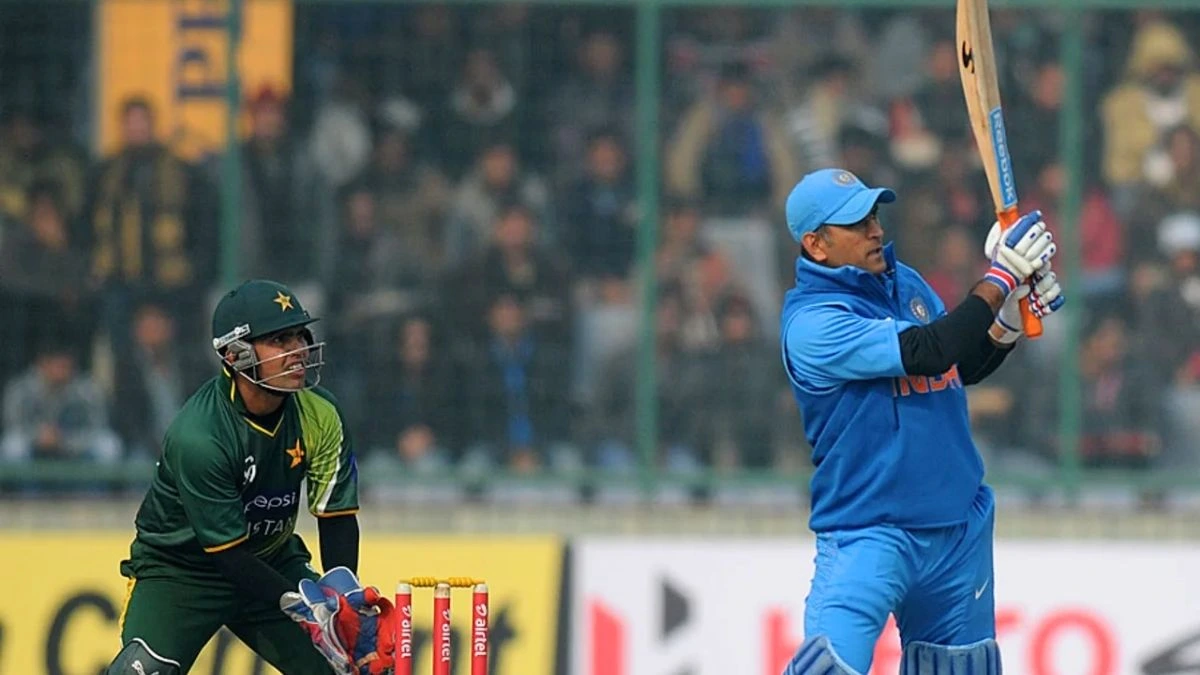
India's captain M.S. Dhoni won the toss and decided to bat first. But India collapsed like a pack of cards in front of Pakistan's bowlers in the first inning and the entire team was all out for just 167 runs in 43.4 overs. M.S. Dhoni was the top scorer for India with 36 runs in 55 balls. Pakistan off-spinner Saeed Ajmal bowled brilliantly and took 5 wickets for 24 runs in 9.4 overs. Pakistan chased the target, but they too had a poor start and kept losing wickets at regular intervals. Indian bowlers maintained the pressure and bowled disciplined, resulting in Pakistan being all out for 157 runs in 48.5 overs. Ishant Sharma became the most successful bowler for India with 3 wickets for 36 runs. This was the third and final match of the three-match ODI series during Pakistan's tour of India.
On This Day - January 6, 2021 - New Zealand Becomes No. 1 Test Team
The New Zealand cricket team reached the No. 1 spot in the ICC Test Team Rankings for the first time in its history after defeating Pakistan in Christchurch on 6 January 2021. This achievement came after winning the two-match Test series against Pakistan 2-0. New Zealand won the second Test in Christchurch by a huge margin of an innings and 176 runs. This victory helped New Zealand overtake Australia to top the ICC Test Rankings. This was a major milestone for New Zealand cricket, as they had been emerging as a strong team for a long time.
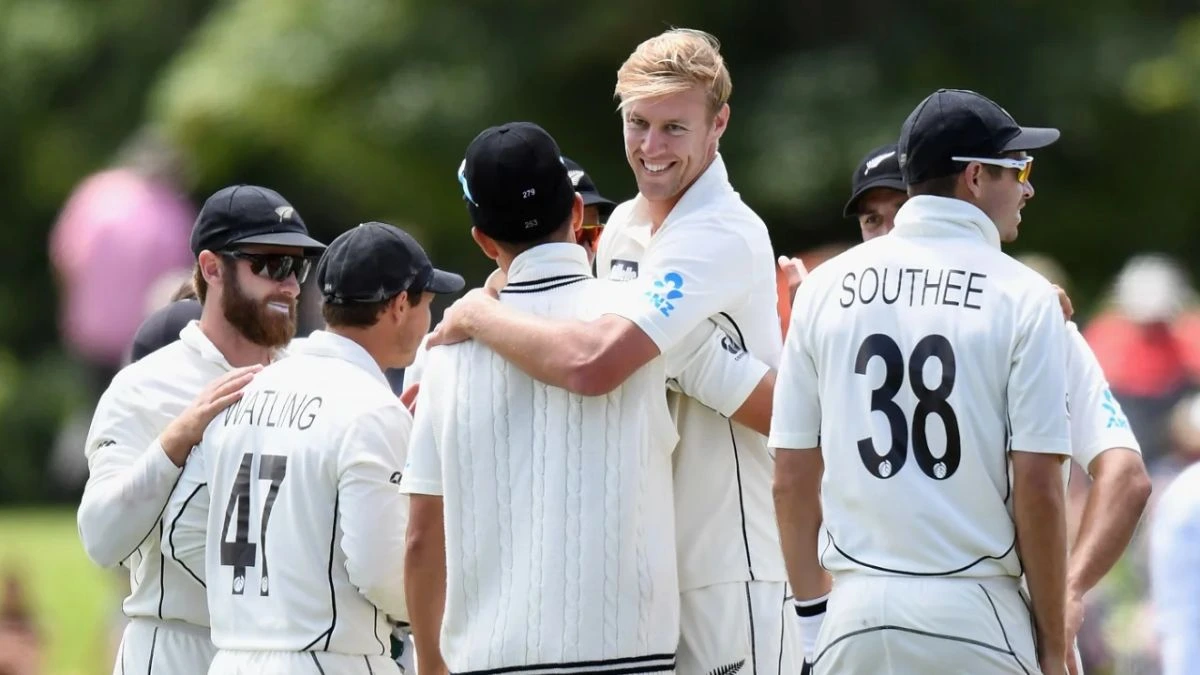
The second Test was played from 3rd to 6th January 2021 at the Hagley Oval in Christchurch. Pakistan won the toss and elected to bat first, scoring only 297 runs in their first innings. New Zealand declared their first innings at 659 for 6, thanks to a double century (238) from captain Kane Williamson, 157 from Henry Nicholls and 102* from Daryl Mitchell, which gave New Zealand 362 runs lead. Pakistan were bowled out for 186 in their second innings and lost the match by an innings. Williamson scored his fourth Test double century, while Kyle Jamieson took 11 wickets, including 5 in the first innings and 6 in the second and won the Man of the Match award.
On This Day - January 6, 1959 - Kapil Dev Was Born
Kapil Dev, popularly known as the Haryana Hurricane, was born on 6 January 1959 in Chandigarh, India. He is one of India's greatest cricketers and one of the greatest all-rounders of all time, who transformed the face of Indian cricket and led the country to its first World Cup victory. Kapil holds the unique record of never being run out in his 16-year cricket career. He was the one with the ability to swing the ball both ways and troubled many batsmen with his outswinger. He made his Test debut against Pakistan in 1978 and soon became the team's leading bowler.
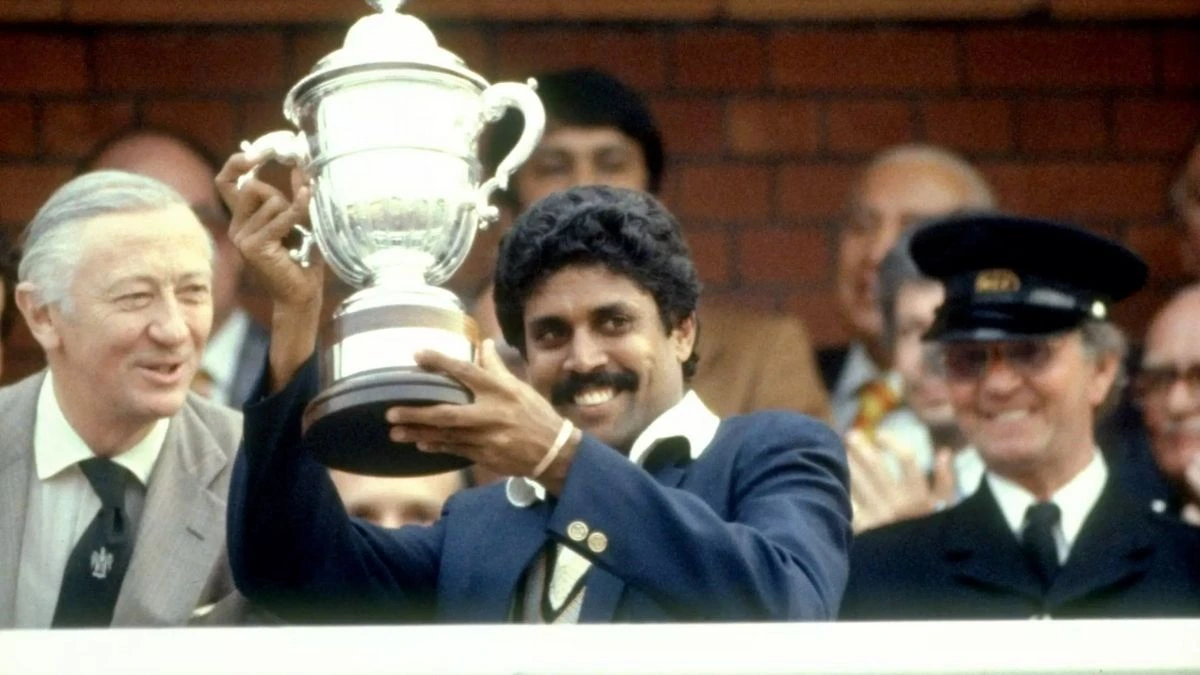
In his 131 Test matches, Kapil Dev took 434 wickets, which was a world record for the most wickets in Test cricket at the time. He is also the only player in cricket history to have scored over 4000 Test runs and taken over 400 Test wickets. He played 225 ODIs in his career, taking 253 wickets and scoring a total of 6945 runs, showing his versatility as a great all-rounder. Kapil Dev was awarded India's highest sporting honor, the Arjuna Award in 1982, the Padma Shri in 1983 and the Padma Bhushan in 1991. He was also named the Wisden Indian Cricketer of the Century in 2002. He retired from international cricket in 1994 and briefly served as the head coach of the Indian cricket team. Kapil Dev introduced a culture of fast bowling in Indian cricket and inspired many young players to pursue a career as fast bowlers.
On This Day - January 6, 2006 - Ricky Ponting's Twin Centuries on 100th Test
Former Australian captain Ricky Ponting created history by scoring two centuries in his 100th Test match, a feat that no other player has been able to match to this day. The match was played against South Africa at the Sydney Cricket Ground (SCG) from 2nd to 6th January 2006. He scored 120 in the first innings and an unbeaten 143 in the second of this match and equalled Sir Donald Bradman's record of 29 Test centuries. He achieved this feat on the last day of the Test match. Australia won the match by 8 wickets, with Ponting captaining the team to victory. This historic performance was part of Ponting's excellent form in the 2005-06 season, in which he scored 1,483 runs and seven centuries.
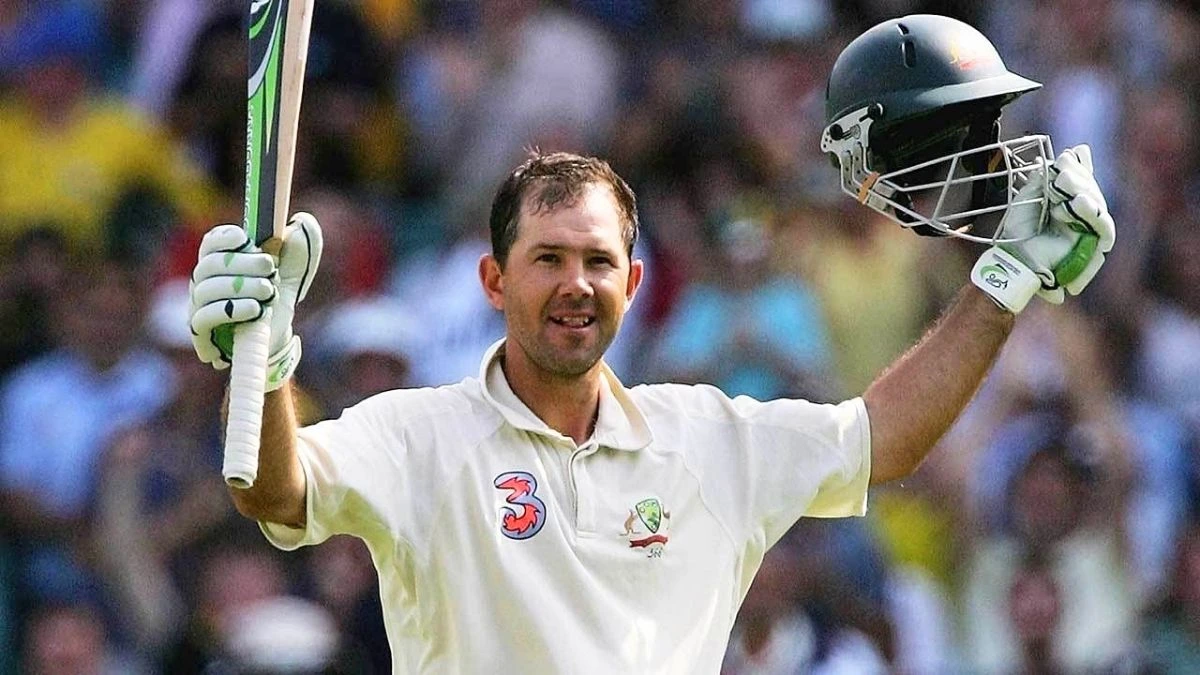
Ponting is considered one of Australia's greatest captains and run-scorers, under whose captaincy Australia won many consecutive matches and also won two World Cup titles. He is one of the four batsmen to have scored four centuries in the fourth innings of Test matches. In his Test career, he scored 13,378 runs in 168 matches, which is the second-highest number of runs in the history of Test cricket and with 41 centuries, he also became the batsman with the most Test centuries for Australia. He was named ICC Cricketer of the Year in 2006 and 2007.
On This Day - January 6, 2004 - Steve Waugh's Farewell Match
Australia's legendary captain Steve Waugh's farewell Test match ended on 6th January 2004 at the Sydney Cricket Ground (SCG). He made his farewell memorable with a brilliant innings of 80 runs. Regarded as one of the most successful captains in Test cricket history, Waugh led Australia to a world record 16 consecutive Test wins. He scored a total of 10,927 runs in his 168-match Test career, including 32 centuries and 50 half-centuries. In 325 ODIs, he scored 7,569 runs and also led the Australian team in the 1999 World Cup victory. Waugh was known for his mental toughness and ability to perform well under pressure and was a successful captain who brought a new aggression and professionalism to Australian cricket.
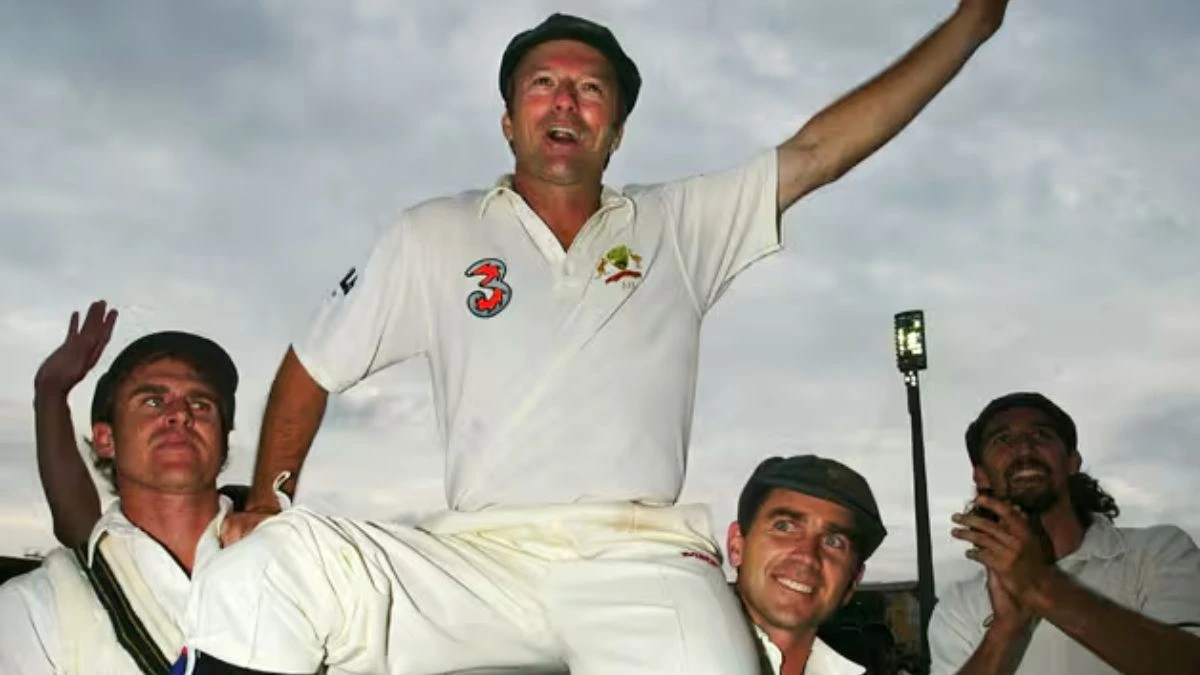
This was the last match of the four-Test series, which was played against India from 2nd to 6th January and was also the last test match of Steve Waugh's acclaimed career. India won the toss and decided to bat first, then declared the innings at 705 for 7 with the help of Sachin Tendulkar's unbeaten 241* in the first innings and VVS Laxman's 178 runs, and made 211 runs in the second innings. Australia made 474 runs in their first innings, which included centuries from Simon Katich, Justin Langer and Ricky Ponting, and scored 357 runs in the second innings. This match ended in a draw, but Australia had already leveled the series 1-1. The spectators and teammates cheered Waugh throughout the match and gave him an emotional and grand farewell on this day.
On This Day - January 6, 2022 - Usman Khawaja's Comeback Century
Australian batsman Usman Khawaja scored an excellent comeback century against England at Sydney Cricket Ground in 2022. This was his first Test match since 2019, after nearly two and a half years. He was included in the team as a replacement for Travis Head, who had tested positive for COVID-19. He scored centuries in both innings of the match and became the third Australian to score centuries in both innings of a Test at SCG. Khawaja also became the first batsman in 21 years to score two centuries in the same match at SCG after Ricky Ponting’s 2006 match, which is mentioned above.
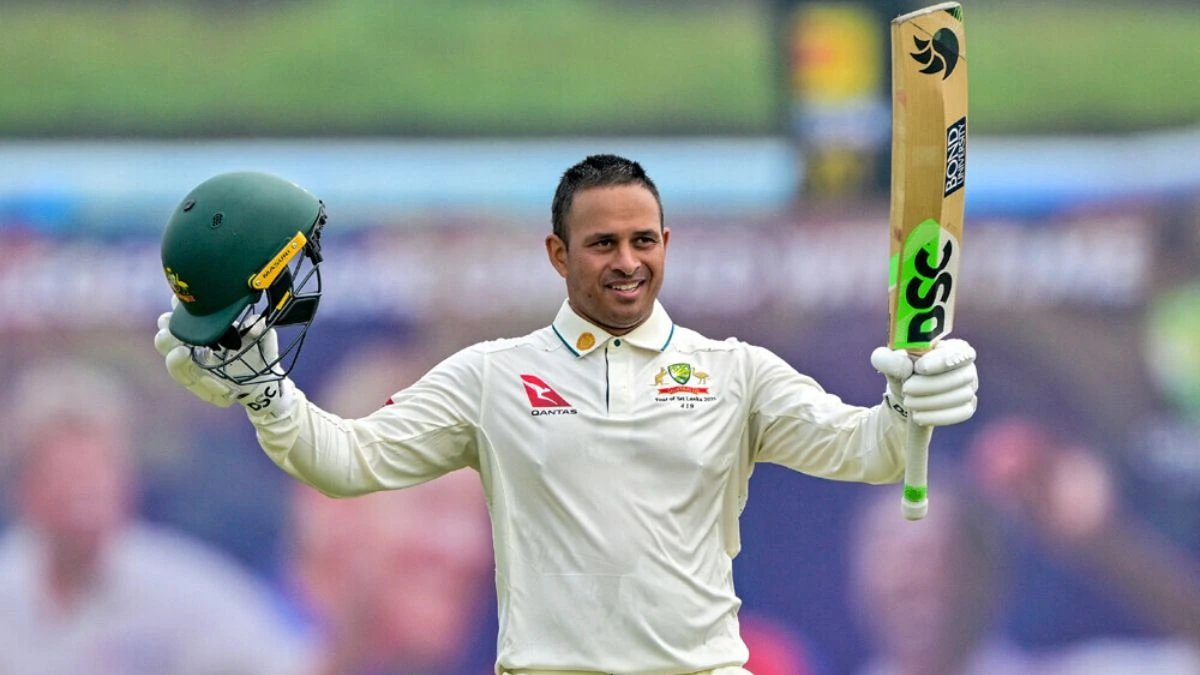
In this match, Australia won the toss and elected to bat first, and Khawaja scored 137 runs in his first innings. This was his 9th Test century and his first in Sydney. Despite England's Jonny Bairstow's century (113), he helped Australia gain a strong foothold in the game. Australia declared their first innings at 416 for 8, while England were bowled out for 294. In the second innings, Australia were 86 for 3 when Khawaja returned to bat and scored his second century. He scored an unbeaten 101 in the second innings and declared at 265. Steve Smith also scored a half-century, helping Australia set a target of 388 runs for England. The match ended in a draw as England batted well in the final session, but Khawaja's innings ensured Australia's dominance. His runs helped secure his place in the Test team. Khawaja’s comeback is often considered one of the greatest comeback innings in Test cricket.
On This Day - January 6, 2024 - David Warner's Final Test Match Victory
David Warner's Test career ended with Australia's victory in the 3rd and final Test against Pakistan in Sydney on 6 January 2024. Australia won the match by 8 wickets and completed a 3-0 series sweep against Pakistan. This match was the final Test of David Warner's long and successful career of 112 matches and Warner received an emotional farewell from fans and his teammates.
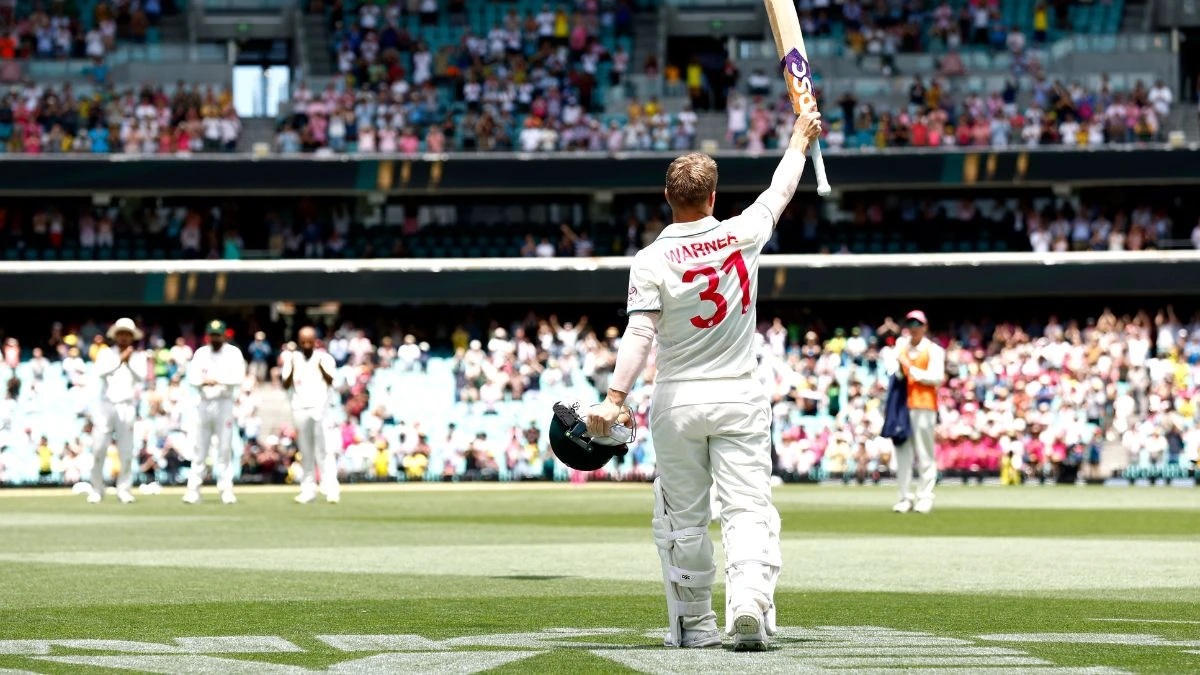
Pakistan won the toss and elected to bat first and scored 313 runs in the first innings. Australia responded with 299 runs in the 1st inning, with Warner’s 34-run contribution. Pakistan's second innings was reduced to a mere 115 runs and it set a target of only 130 runs to win for Australia. Chasing the target, David Warner played a crucial role of 57 runs in his final Test innings, hitting 75 balls and 7 fours. When he was dismissed, the entire Sydney Cricket Ground crowd stood up and applauded him for his performance and his glorious career. Warner retired at his home ground in front of his family and friends, which made the moment even more special at that time. His retirement marked the end of an era in Australian cricket and opened the gate for new opening batsmen in the team.
 0
0 0
0 0
0 1
1 1
1 0
0
Comments
Sign up or log in to your account to leave comments and reactions
0 Comments