


Features of the Match Schedule in IPL 2026

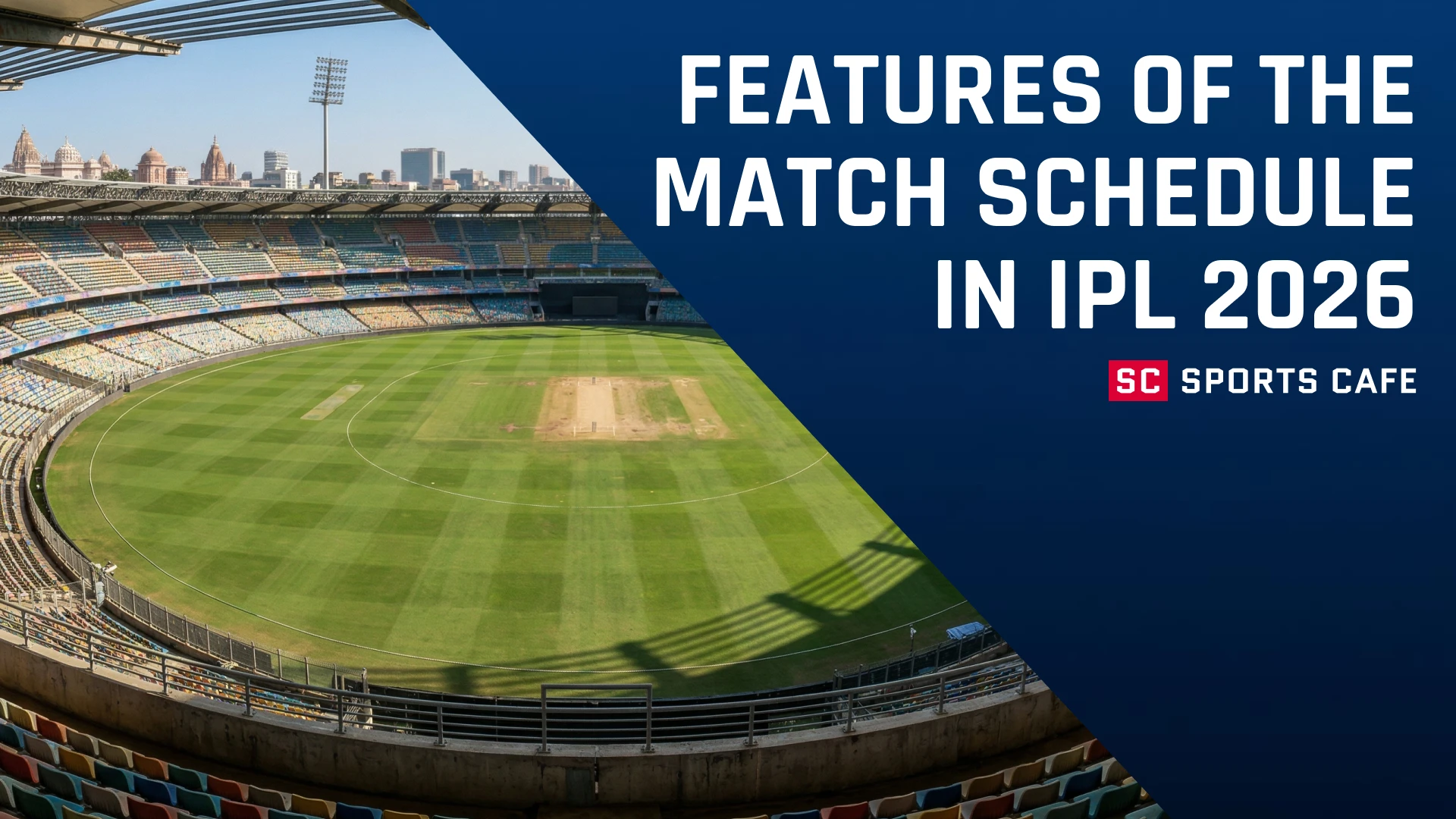
The calendar for IPL 2026 fits a large number of matches into a limited time frame. The season runs from 28 March to 31 May 2026, which creates a competition period of a little more than two months. Ten teams take part in the tournament, and matches take place in several cities across India. Organizers plan the calendar carefully so teams can travel between venues while broadcasters and stadium operators manage their schedules.
The tournament must also align with international cricket events and television broadcasting windows. Because of that, every match date and venue follows a detailed planning process.
Tournament Duration and Structure
IPL 2026 lasts slightly more than 9 weeks. The first match takes place at the end of March, and the championship game takes place at the end of May. During that period, teams compete in 84 matches, which is a larger total than several previous seasons. Each game follows the Twenty20 format, where two teams play innings limited to 20 overs each. Teams collect points from wins and ties during the league stage. Standings change throughout the season as teams compete across multiple venues. After the league phase ends, the top 4 teams advance to the playoff stage. Teams outside those positions leave the tournament once the league phase finishes.
Opening and Closing Venues
The first match of IPL 2026 takes place in Bengaluru at M. Chinnaswamy Stadium. The defending champions, Royal Challengers Bengaluru, play the opening match at their home ground. The same stadium hosts the final on 31 May 2026. Such scheduling gives the defending champions a prominent place in the next season of the competition. M. Chinnaswamy Stadium often attracts crowds of more than 30,000 spectators, and the atmosphere during major matches is known across the IPL.
Team Participation and Groupings
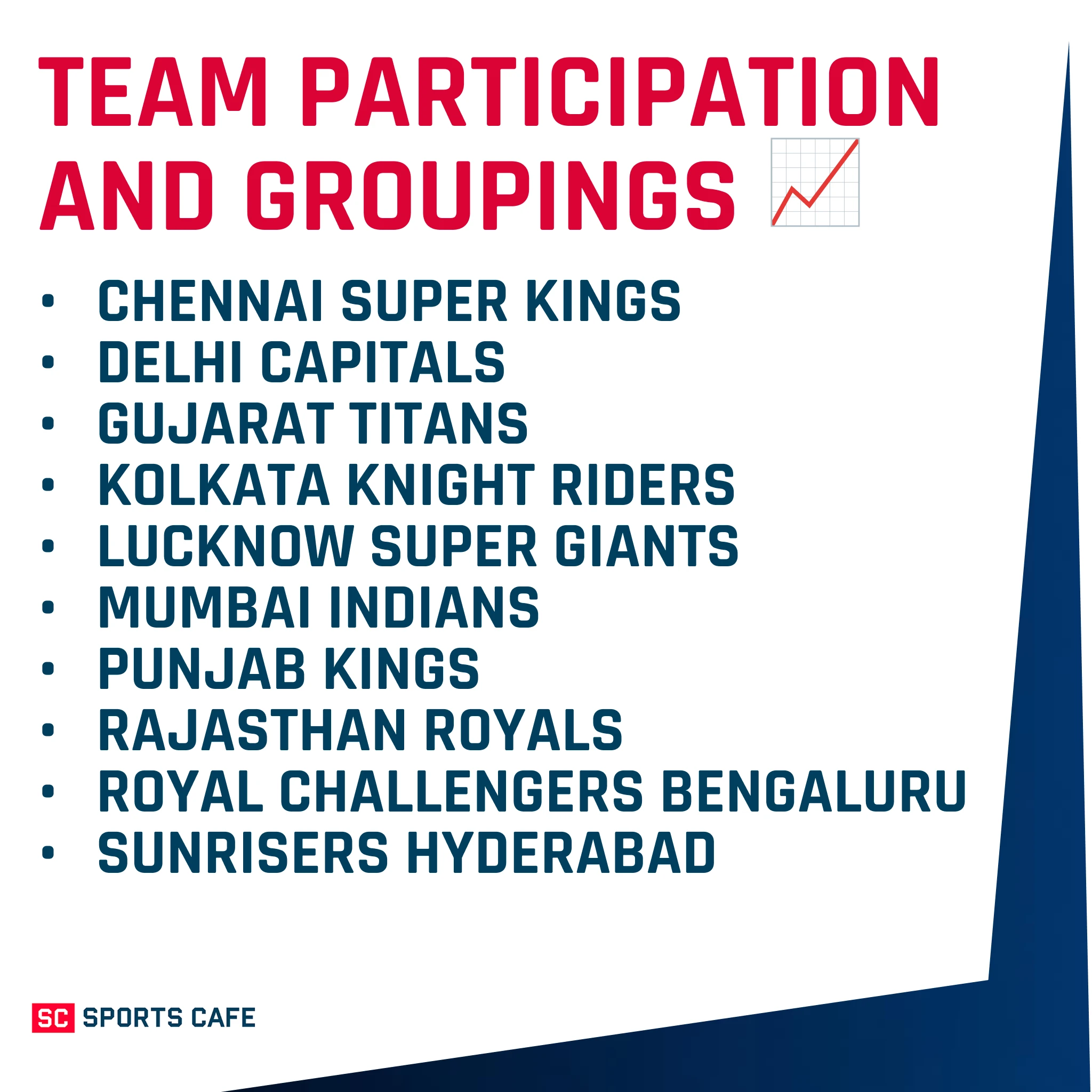
Ten teams compete in the 2026 season. Each team represents a major Indian city or region and includes both Indian and international players. The teams participating in IPL 2026 include:
- Chennai Super Kings
- Delhi Capitals
- Gujarat Titans
- Kolkata Knight Riders
- Lucknow Super Giants
- Mumbai Indians
- Punjab Kings
- Rajasthan Royals
- Royal Challengers Bengaluru
- Sunrisers Hyderabad
These teams compete throughout the league stage in order to collect points and reach the playoffs.
Match Timings and Double-Headers
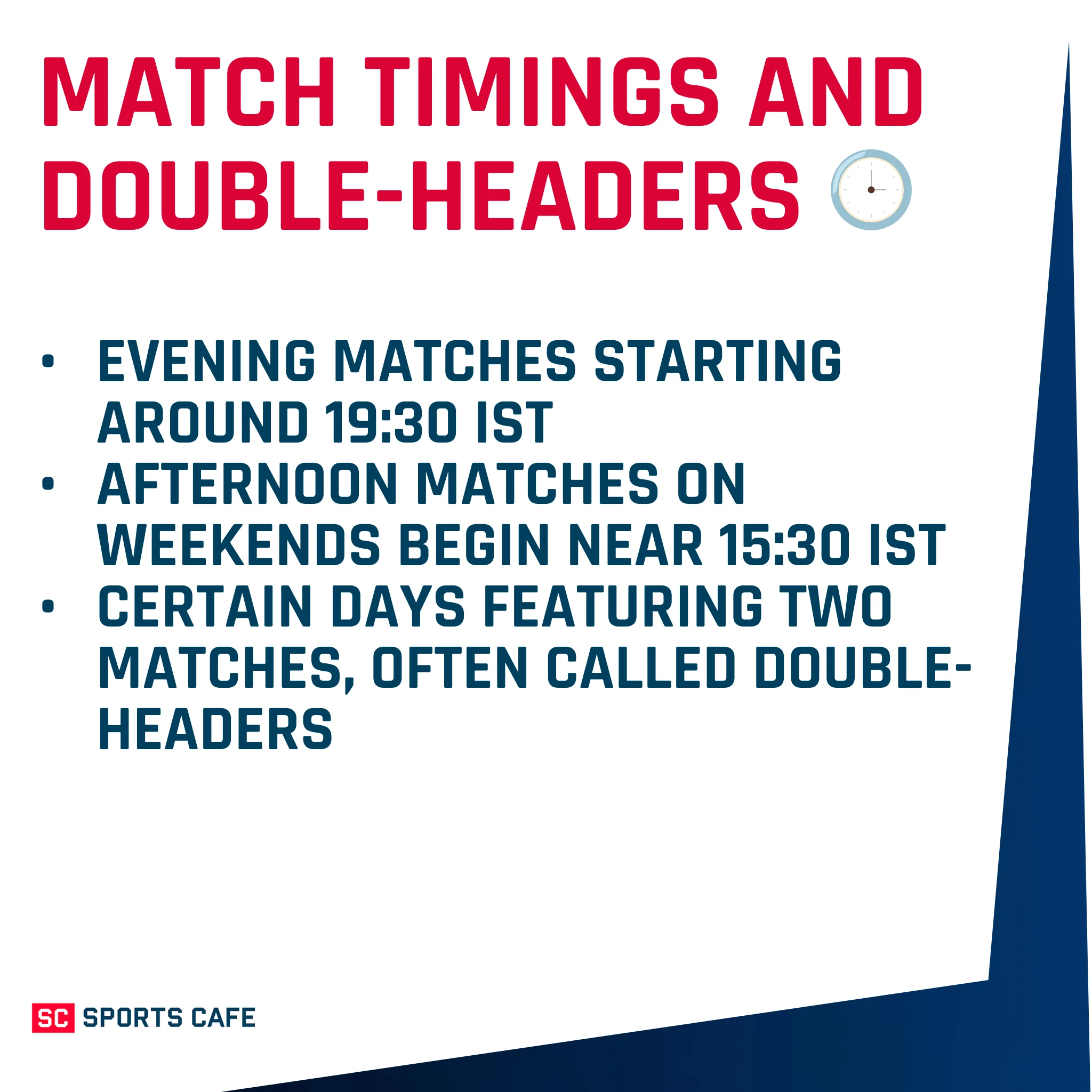
Match timing plays an important role in the IPL calendar because television audiences follow the tournament closely. Evening matches usually attract the largest number of viewers, while weekend schedules often include two matches on the same day. Typical match timing includes:
- Evening matches starting around 19:30 IST
- Afternoon matches on weekends begin near 15:30 IST
- Certain days featuring two matches, often called double-headers
Such scheduling helps broadcasters reach viewers during prime television hours while fans gain more opportunities to watch games.
Playoff Schedule and Venues
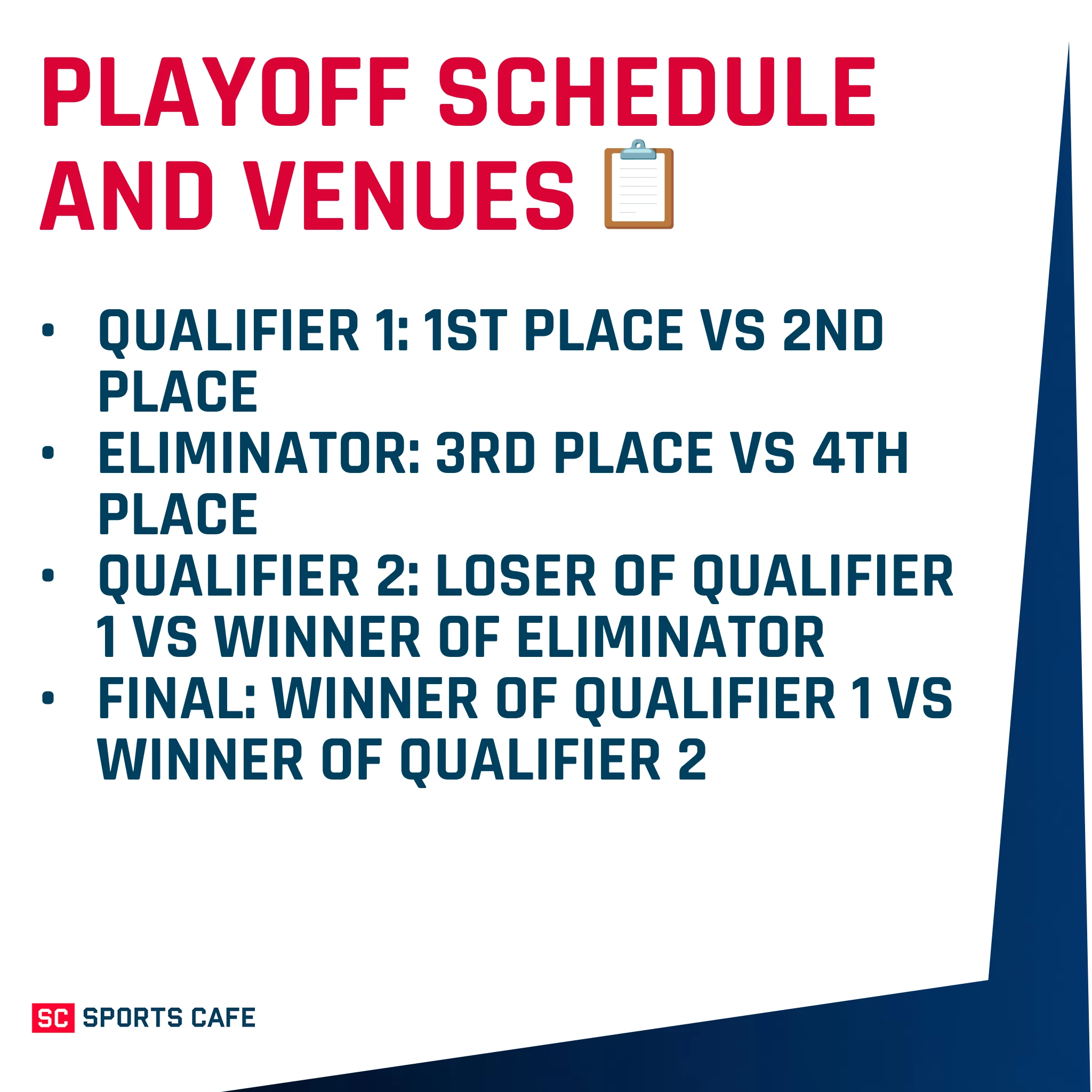
The playoff stage determines the champion of IPL 2026. Only 4 teams from the league table reach this stage of the competition. The playoff format follows the structure used in many earlier IPL seasons:
- Qualifier 1: 1st place vs 2nd place
- Eliminator: 3rd place vs 4th place
- Qualifier 2: Loser of Qualifier 1 vs Winner of Eliminator
- Final: Winner of Qualifier 1 vs Winner of Qualifier 2
The final match takes place on 31 May 2026 in Bengaluru. Teams finishing in the top two positions gain an additional chance to reach the final, which rewards strong results during the league stage.
Consideration of International Calendars
International cricket schedules influence IPL planning every year. In 2026, organizers needed to consider the ICC Men’s T20 World Cup, which ended on 8 March 2026. Early discussions suggested an IPL start date of 26 March. Later adjustments moved the opening match to 28 March, which created extra recovery time for players who participated in the World Cup. Another challenge involved the Pakistan Super League, which ran from 26 March to 3 May 2026. Both tournaments adapted their schedules because of the crowded global cricket calendar. Such adjustments help many international players participate in the IPL.
Auction and Player Availability
Preparation for the 2026 season began months before the first match. The player auction took place on 16 December 2025 in Abu Dhabi, where teams completed their squads. Each franchise entered the auction with a spending limit of ₹125 crore. Teams had already retained 173 players before the auction began. More than 1,300 players registered for the auction. From that group, 369 players reached the shortlist, and 77 players were purchased by IPL teams. Auction decisions determine which players appear in the tournament, since teams select their lineups from the squads built during that event.
Fan Engagement and Accessibility
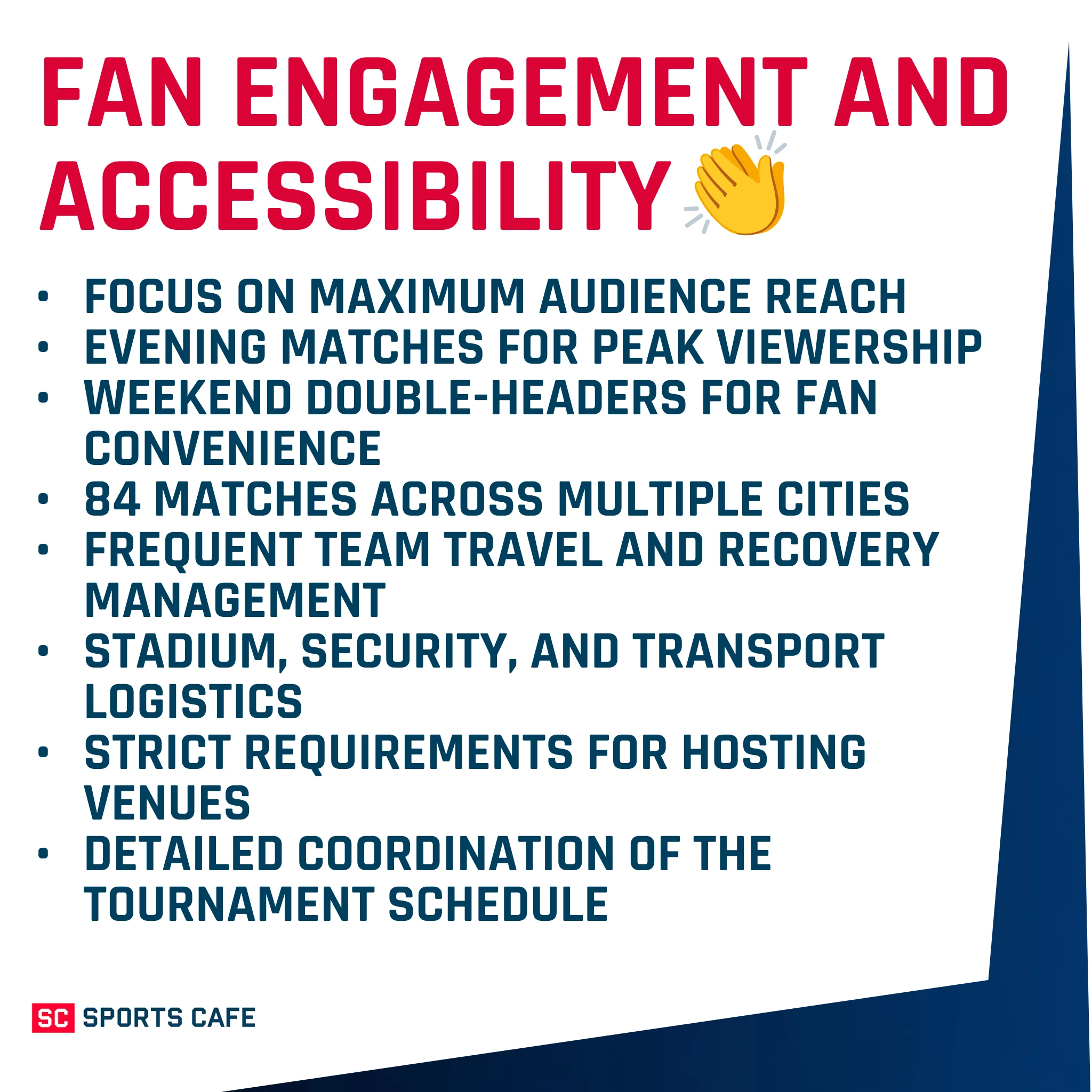
IPL scheduling also focuses on reaching the largest possible audience. Evening matches often attract millions of viewers across India and other countries. For the current broadcast cycle, Star Sports provides television coverage, while JioHotstar streams matches online. Fans can follow the tournament through television, computers, tablets, and mobile devices. Weekend double-header matches help viewers watch more games without conflicting with workday schedules.
Logistical Planning
Organizing 84 matches across multiple cities requires detailed coordination. Teams travel frequently between venues while maintaining training sessions and recovery time. Tournament organizers also manage stadium preparation, broadcasting equipment, security arrangements, and player transportation. Each venue must meet strict requirements before hosting IPL matches. Careful preparation helps keep the tournament running according to schedule despite the large number of matches.
Flexibility in the IPL 2026 Match Schedule
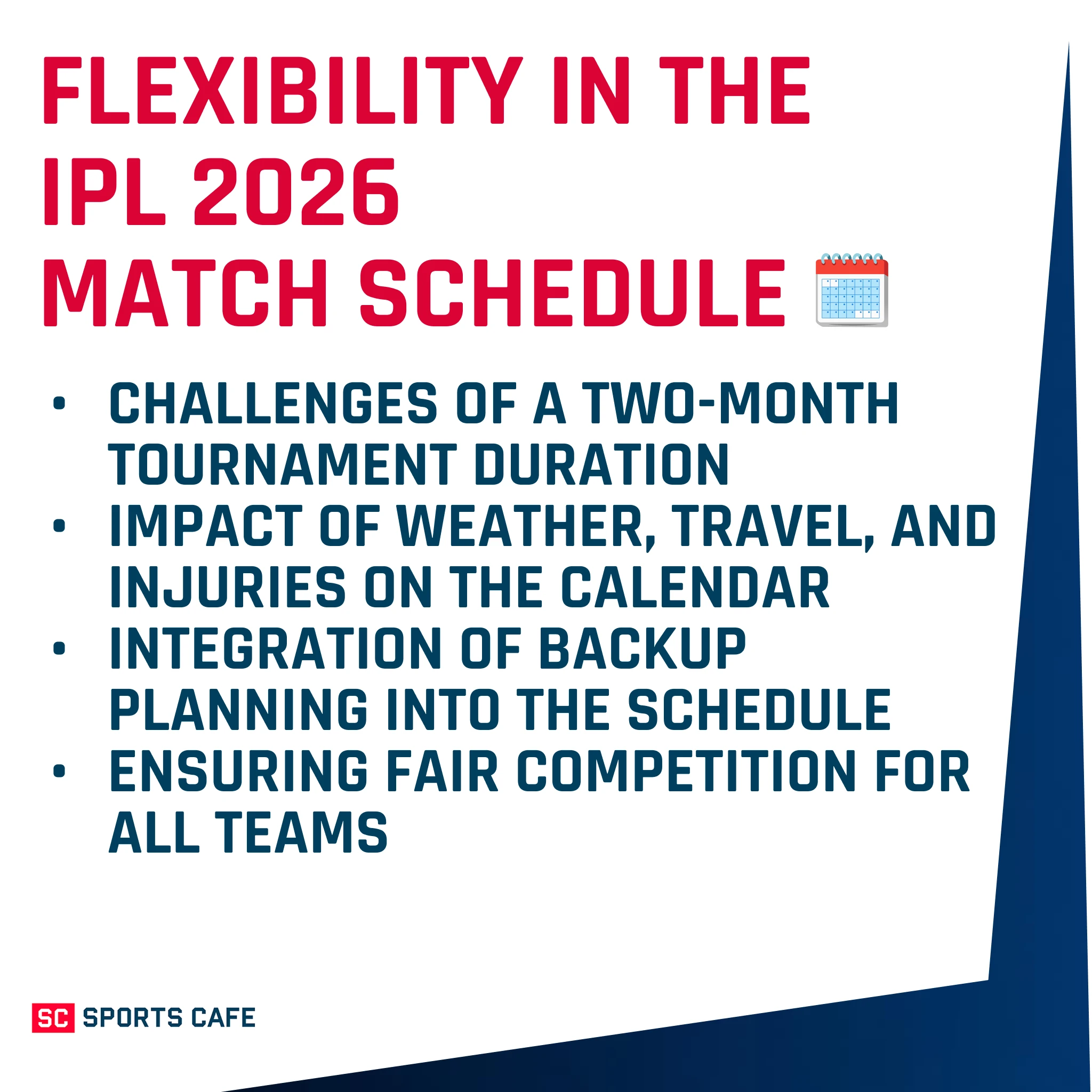
A tournament lasting more than two months can face unexpected challenges. Weather interruptions, travel delays, or player injuries may influence the calendar. Because of that, IPL organizers include backup planning within the schedule. Such measures help maintain fair competition for every team.
Buffer Days Between Key Matches
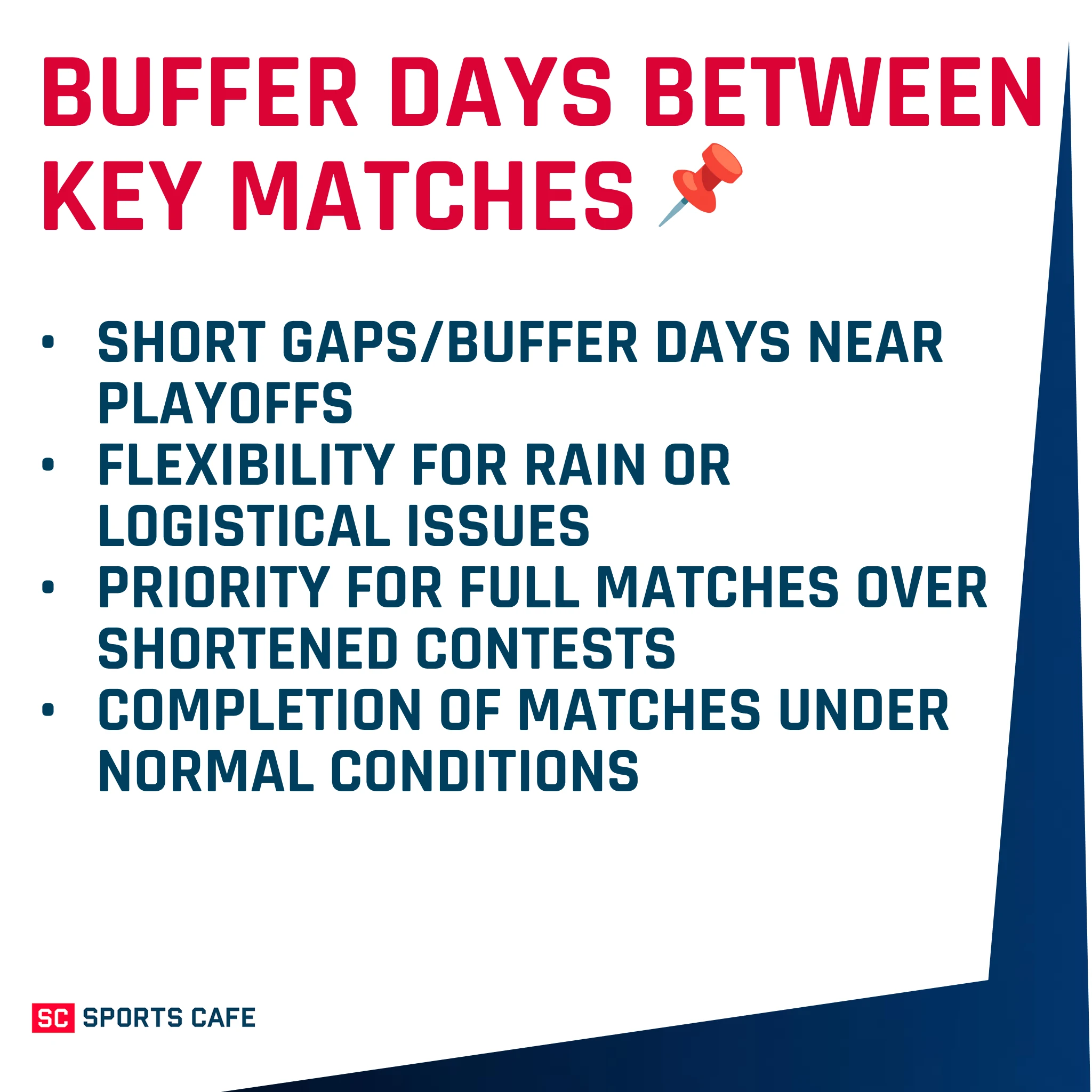
Short gaps appear between certain matches, particularly near the playoff stage. These gaps allow organizers to adjust the calendar if rain or logistical problems interrupt a game. Playoff matches carry major importance for the teams involved. Organizers prefer full matches rather than shortened contests. If the weather stops play, the additional time helps complete the match under normal conditions.
Reserve Day for the Final
The IPL 2026 final in Bengaluru also includes a reserve day. If heavy rain interrupts the scheduled match day, the final can take place on the following day. Such planning ensures the tournament concludes with a clear champion rather than an unfinished match.
Travel Planning and Schedule Adjustments
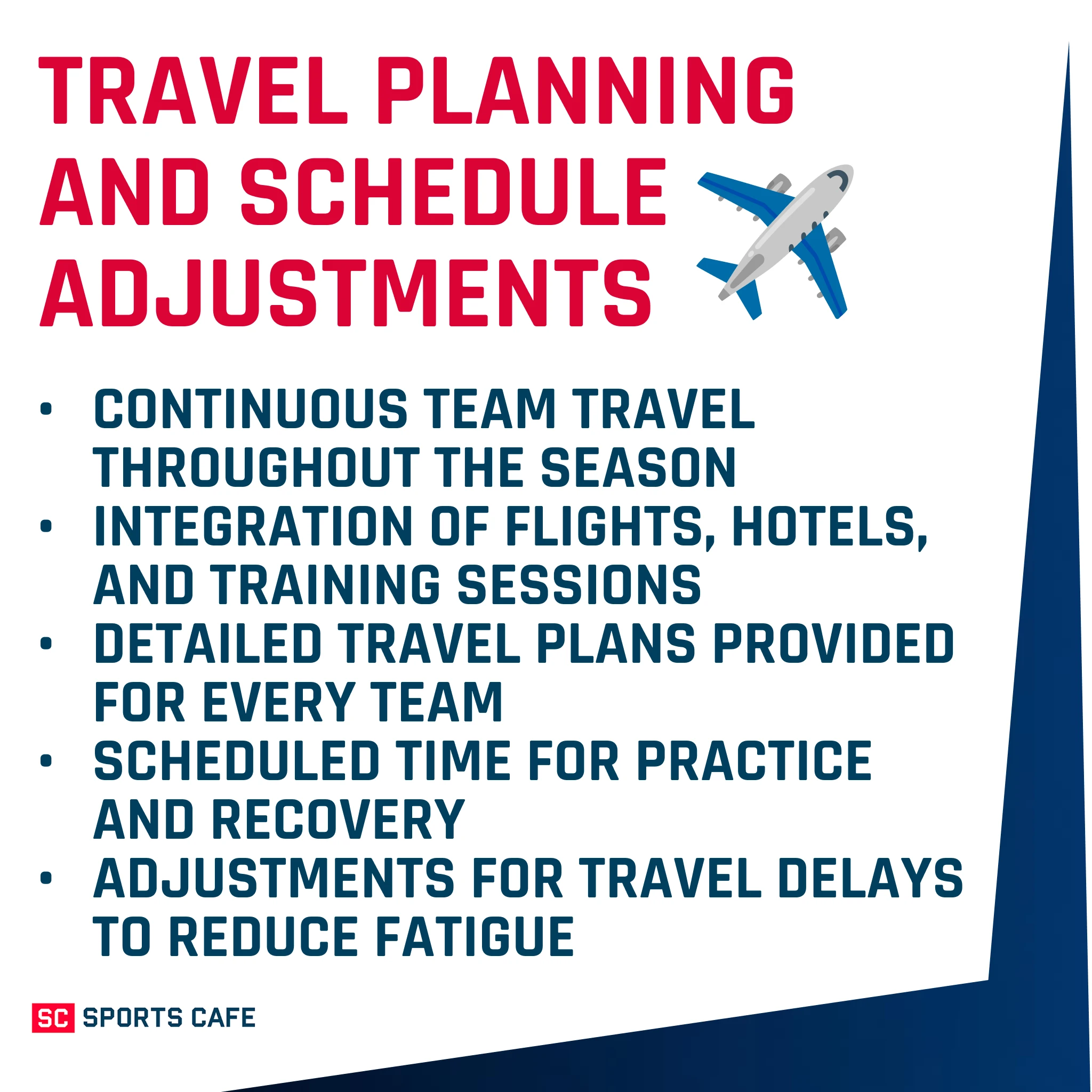
Teams travel between cities throughout the season. Flights, hotels, and training sessions must fit into a busy calendar. The league prepares detailed travel plans for every team. Those plans include time for practice and recovery between matches. If travel delays occur, minor schedule adjustments can help teams arrive at venues without excessive fatigue.
Managing Player Fitness During the Tournament
The IPL season places strong physical demands on players. Rest periods between matches help players recover and prepare for the next game. Teams often rotate players within their squads during busy parts of the schedule. Such decisions help reduce the risk of injuries. If injuries occur during the season, teams can sign replacement players according to IPL regulations.
Rain-Related Match Rules
Rain occasionally interrupts cricket matches in India. When such situations occur, the IPL applies the Duckworth–Lewis–Stern (DLS) method to revise match targets. Organizers prefer full matches without interruptions whenever possible. Buffer days and reserve days help protect the fairness of the competition.
Benefits of a Flexible Schedule
A flexible calendar provides several advantages:
- Matches can continue even after unexpected interruptions
- Teams compete under fair playing conditions
- Fans receive complete matches instead of shortened games
- The tournament proceeds according to plan despite challenges
Such preparation helps maintain the credibility of the league.
Broadcasting and Global Digital Reach
The IPL attracts one of the largest audiences in world cricket. Because of that, match timing connects closely with television broadcasting. Under the current rights agreement, Star Sports broadcasts matches on television, while JioHotstar streams games online. Evening matches usually begin near 19:30 IST, which aligns with prime viewing hours in India. Fans across many countries follow matches through television broadcasts or digital platforms.
New Ideas in the Match Schedule
Each IPL season introduces initiatives designed to bring fans closer to the tournament. Organizers experiment with different activities connected with match days. Examples include:
- Theme-based match days connected with social campaigns
- Fan interaction programs in stadiums and on digital platforms
- Environmental initiatives such as reduced plastic use in stadium areas
These activities create stronger connections between teams and their supporters.
Influence of the Schedule on Team Strategy
The order of matches influences how teams prepare for the season. Travel distances, rest periods, and sequences of matches all affect training plans. Coaches study the calendar before the season begins. They decide when players should rest and when the strongest lineup should appear. During weeks with several matches, training sessions often focus on recovery rather than heavy practice.
Conclusion
IPL 2026 includes 10 teams and 84 matches across a tournament lasting more than two months. Careful planning helps coordinate stadium operations, broadcasting schedules, and travel logistics. Reserve days, buffer periods, and flexible planning protect the tournament from disruptions. Broadcasting arrangements also allow millions of viewers to follow matches around the world. The schedule supports a long and competitive season that brings together teams, players, and fans across India and beyond.
 0
0 0
0 0
0 0
0 0
0 0
0
Comments
Sign up or log in to your account to leave comments and reactions
0 Comments